

Legal Mandates and the Zero-Waste Farm: Closed-Loop Water Recycling
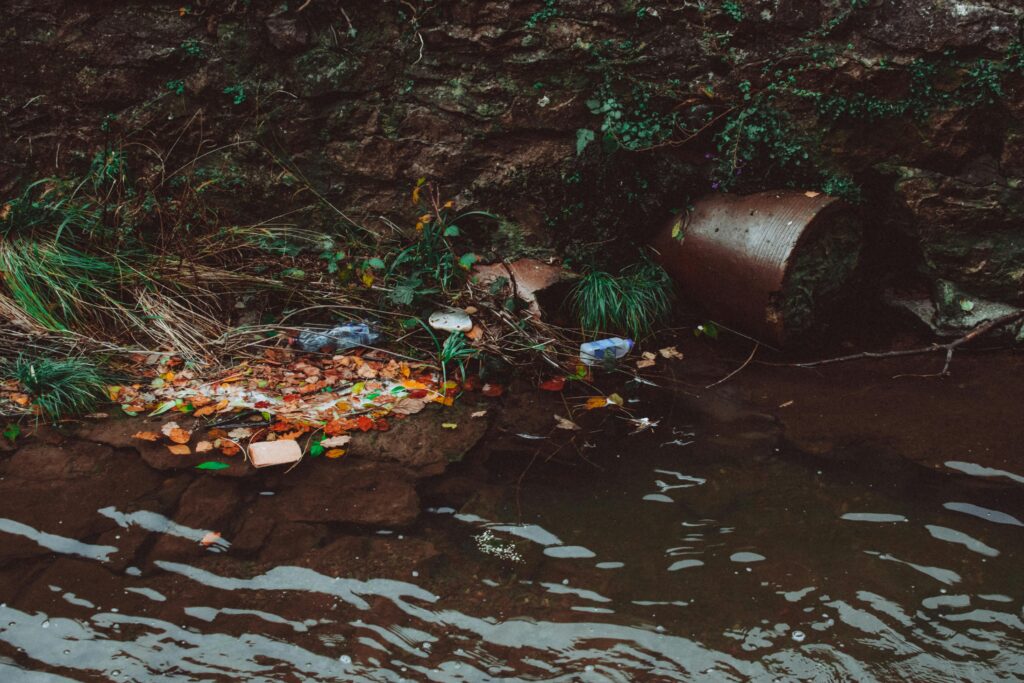
Quick Answer Closed-loop water recycling captures, treats, and reuses the same water across a farm instead of drawing fresh and discharging waste. It cuts water consumption, nutrient loss, and discharge volume, which is exactly what tightening water-taking permits and nutrient regulations now demand. The catch is that recycling concentrates pathogens, biofilm, and organics with every […]
The Super-Oxygenation Secret: Boosting Yields with Dissolved Oxygen
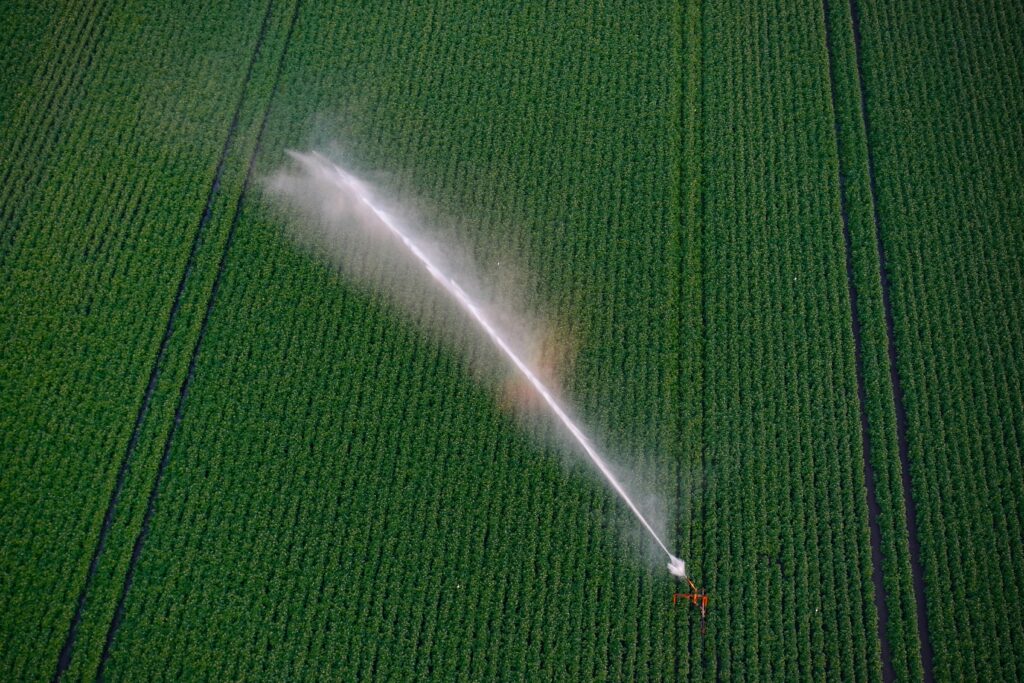
Quick Answer Dissolved oxygen is the amount of oxygen carried in irrigation or process water, and it is one of the most underused levers for boosting yields. Roots and beneficial microbes need oxygen at the root zone to take up water and nutrients efficiently. When oxygen drops, roots suffocate, nutrient uptake slows, and pathogens take […]
How Clean Water Drives Livestock Performance

Quick Answer Water treatment for livestock directly drives animal performance because water is the single largest input by volume in any livestock operation. Cattle, swine, poultry, and dairy herds consume more water than feed every day, and the quality of that water shapes growth rates, feed conversion, milk production, reproductive health, and disease pressure. Operations […]
How Ozone Water Treatment Works: The 4-Stage Process Explained

Quick Answer Ozone water treatment works through a four-stage process: oxygen feed and preparation, ozone generation via high-voltage corona discharge, ozone injection and contact with water, and ozone destruct to convert leftover gas back into oxygen. The ozone molecule (O₃) attacks pathogens, organics, and contaminants through powerful oxidation, then decays back to oxygen within about […]
Ozone vs Chlorine for Water Treatment: Costs, Effectiveness, and Best Use Cases

Quick Answer Ozone vs chlorine comes down to speed, byproducts, and cost structure. Ozone disinfects water roughly 3,000 times faster than chlorine, destroys chlorine-resistant pathogens like Cryptosporidium, and leaves no chemical residue because it decays back to oxygen within minutes. Chlorine costs less upfront and provides residual protection across long distribution networks, but it produces […]
How Facilities Are Upgrading Water Sanitation
Quick Answer: The disinfection process in water treatment is shifting as facilities move away from chlorine-only systems toward modern technologies that handle a broader range of contaminants with fewer trade-offs. Ozone, and advanced oxidation now sit alongside or replace older methods in municipal plants, beverage producers, aquaculture facilities, and other industrial operations. The result is […]
Solving Pathogens at the Source on the Farm

Quick Answer: Agricultural ozone water treatment solves pathogen problems at the source instead of chasing them downstream through the operation. Ozone destroys bacteria, viruses, fungi, and biofilm on contact, then reverts to oxygen with no residue left behind. Farms using agricultural ozone water systems see cleaner irrigation lines, healthier crops, lower disease pressure, and […]
How Ozone Equipment Transforms Water Quality
Quick Answer: An ozone system for water treatment uses ozone (O₃), one of the most powerful commercially available oxidants, to break down contaminants, neutralize pathogens, and improve water clarity without leaving any chemical residue. Operators across agriculture, beverage production, aquaculture, and municipal facilities choose ozone equipment because it works faster than chlorine, leaves no […]
Why Nanobubbles Are a Big Deal in Water

Quick Answer TL;DR Nanobubbles are extremely small gas bubbles, typically 10 to 200 nanometers in diameter, or about 1,000 times smaller than a human hair. So what are nanobubbles actually doing in water treatment? They dissolve gases like ozone and oxygen at far higher rates than conventional injection methods, stay suspended in water for weeks […]
Inside Modern Wastewater Disinfection

Quick Answer TL;DR Ozone wastewater treatment uses oxygen-derived ozone gas as a powerful oxidant to disinfect effluent, break down emerging contaminants, neutralize color and odor, and shrink sludge volume in a single step. The process outperforms chlorine on pathogen kill, leaves no toxic residual, and reverts back to oxygen once the reaction completes. For municipal […]