Purifico

Safety

Prioritize safety with Purifico’s water treatment systems, made and engineered in Canada. Our systems are designed with your community’s well-being in mind, ensuring effective, reliable, and safe operations for your crops, livestock, and people. Trust Purifico for peace of mind in water treatment.

Quick Answer

Ozone water treatment is safe for crops, livestock, and people when the system is built to contain the gas. Dissolved ozone breaks down to oxygen, so irrigation water leaves no chemical residue and adds oxygen at the root zone. Ozone gas is hazardous to breathe, so every Purifico system runs flow, pressure, vacuum, ORP, and ambient ozone sensors with automatic shutdown. Water for animals is degassed before it reaches the trough, and Purifico runs a water analysis on every site before recommending a system.

A hand gently cradling the roots of a plant, emphasizing the care and attention given to nurturing healthy root systems for robust plant growth and vitality.

Is Ozone Safe for Crops and Irrigated Plants?

Ozone is very safe for plants and is environmentally friendly, because oxygen is both the ingredient used to make ozone as well as the product of ozone decay.  Plants are generally resistant to oxidative stress and it is usually not a major concern if they are irrigated with water containing residual ozone.  In fact, in most situations this is beneficial, as it will create an oxygen-rich environment in the root zone and can eliminate pathogens that reside on or near the plant roots.  This is particularly useful for hydroponics producers. 

Is Ozone-Treated Water Safe for Livestock?

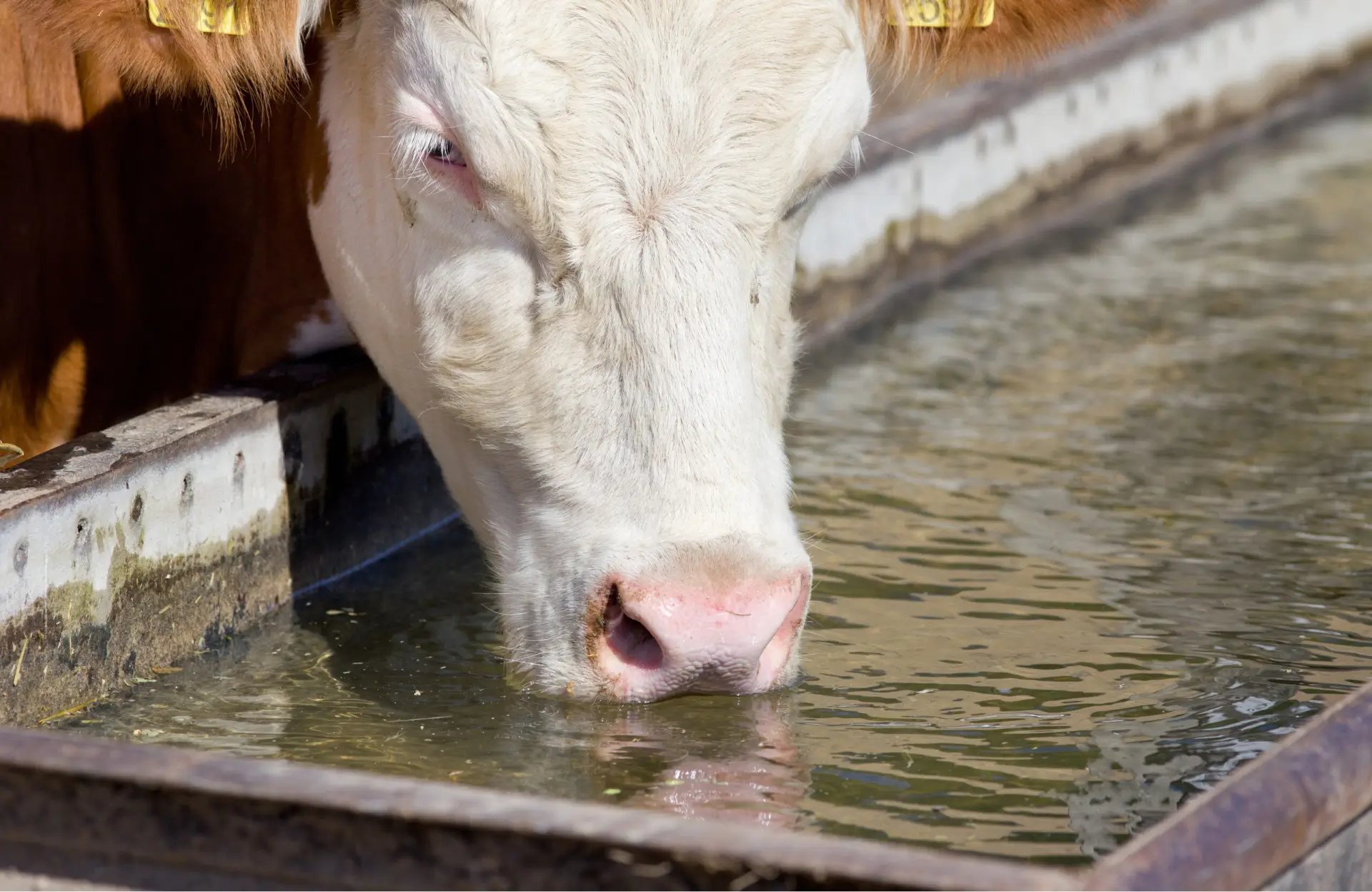
As with plants, ozone is safe to use with livestock because it leaves only oxygen in solution. Ozonation will remove harmful chemicals, eliminating unpleasant odors or tastes, and adds oxygen. This makes your water more palatable and, in our experiences, increases the amount of water that livestock will drink. This can have huge benefits for overall livestock health. Our customers have seen dairy output increase by as much as 20% due to their cows liking the water better and drinking more of it.

There are two main considerations for using ozone to treat water destined for consumption by animals:

  • Remove dissolved ozone before the water is consumed. This is simple to ensure through process controls.
  • Not all water sources are suitable for ozone-based water treatment.  Purifico will assess suitability of ozone for your facility by conducting water analyses as part of initial consultation.
A brown cow drinking water from a trough, depicting a moment of hydration and nourishment in the life of livestock.
A holographic graphic displaying various work safety protocols and guidelines, illustrating their importance in ensuring a secure and protected work environment for employees.

Is Ozone Safe for Humans?

Ozone is a hazardous gas, and it is important to limit exposure to humans. Our systems are very safe, constructed with multiple safety redundancies to prevent accidental exposure to ozone gas. This includes flow, pressure, vacuum, ORP and atmospheric ozone sensors, as well as automatic shutdown procedures to prevent exposure in case of any malfunctions. Workplace safety requirements vary between provinces or regions, and so while our standard safety processes are robust, Purifico will work with clients to integrate additional safety systems as needed.

What Happens If Ozone Leaks Into a Building?

Our systems are equipped with ambient ozone sensors that shut off ozone production if a leak is detected. Additional ambient ozone sensors, placed throughout a facility for workplace safety, can be integrated into the automatic shutoff of our systems. Pairing a system with ZONE remote monitoring sends alerts and live system status to operators, so a fault can be caught without walking the facility.

Four Safety Layers in a Purifico Ozone System Four Safety Layers in Every Purifico System Containment, detection, shutdown, and degassing 1. Sealed containmentOzone stays inside piping andcontact vessels under vacuum 2. Continuous sensingFlow, pressure, vacuum, ORP andambient ozone sensors 3. Automatic shutdownProduction stops the moment aleak or fault is detected 4. Degassing before useResidual ozone is removed beforewater reaches animals or workers

Common Questions About Ozone Safety

Are ozone generators safe to run in a barn or greenhouse?

Yes, when the unit is installed with proper ventilation and ambient ozone sensors. Purifico systems keep ozone sealed inside the contact loop and shut down production automatically if a sensor detects gas outside the system. Portable consumer ozone generators sold for room treatment are a different product and are not used for water treatment.

Is ozone-treated water safe for livestock to drink?

Yes. Ozone breaks down into oxygen, so treated water carries no chemical residue. Process controls remove dissolved ozone before the water reaches animals. Many operators report that animals drink more because the water tastes better once odors and organics are oxidized.

Can residual ozone in irrigation water damage plants?

In most cases, no. Plants tolerate oxidative stress well, and residual ozone raises dissolved oxygen in the root zone. Hydroponic and greenhouse growers often see a benefit. Sensitive crops and unusual water chemistry are checked during the initial water analysis.

What ozone exposure limit applies to workers?

Occupational limits vary by province and region, and many Canadian jurisdictions follow an eight-hour exposure limit of 0.1 ppm for light work. Purifico designs to the applicable local requirement and integrates additional facility sensors when a site needs them.

What happens if a leak is detected?

Ambient ozone sensors trigger an automatic shutoff of ozone production. Additional sensors placed around the facility can be wired into the same shutdown, so the system responds before gas accumulates in an occupied space.

Is every water source suitable for ozone treatment?

No. High iron, manganese, bromide, or heavy organic loads change how ozone behaves and may call for pre-treatment. Purifico assesses suitability with a water analysis during the initial consultation before any system is specified.

Sources

OrganizationReference
Canadian Centre for Occupational Health and SafetyOzone: health effects and occupational exposure guidance
Health CanadaGuidelines for Canadian Drinking Water Quality
International Ozone AssociationSafe design and handling of ozone systems in water treatment
Food and Agriculture Organization of the United NationsWater Quality for Agriculture, Irrigation and Drainage Paper 29