Ensuring optimal water quality is critical in the livestock industry, directly impacting the health, productivity, and overall well-being of animals. Contaminated water can lead to numerous issues, including disease outbreaks, reduced feed conversion efficiency, and lower milk or meat production. Ozone treatment offers a highly effective, chemical-free solution to these challenges.
Well, surface, or municipal water enters the ozone treatment system
Step 2
Ozone Injection
Ozone is dissolved directly into the water supply at controlled concentrations
Step 3
Pathogen, Taste & Odor Control
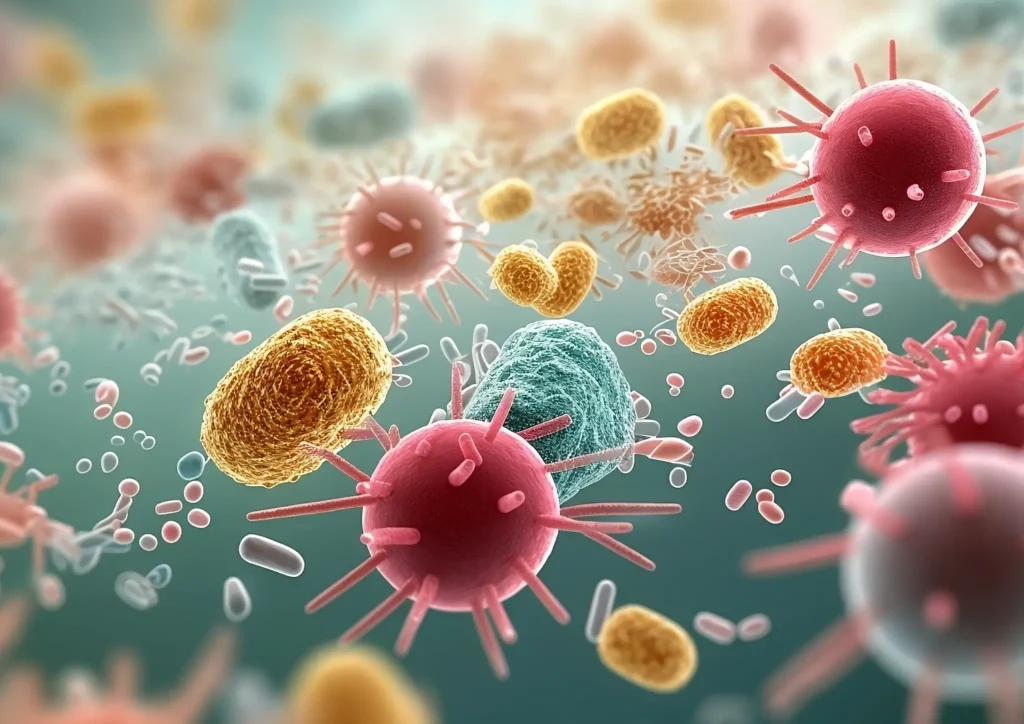
Bacteria, viruses, and protozoa such as E. coli, Salmonella, and Cryptosporidium are destroyed, and the compounds behind off-tastes and odors are oxidized
Step 4
Safe Delivery
Ozone reverts to oxygen before animals drink — no residue, no off-tastes
Step 5
Healthier Herds
Better-tasting water encourages animals to drink more, supporting feed conversion and growth performance
Applications in Livestock
Treatment of Drinking Water
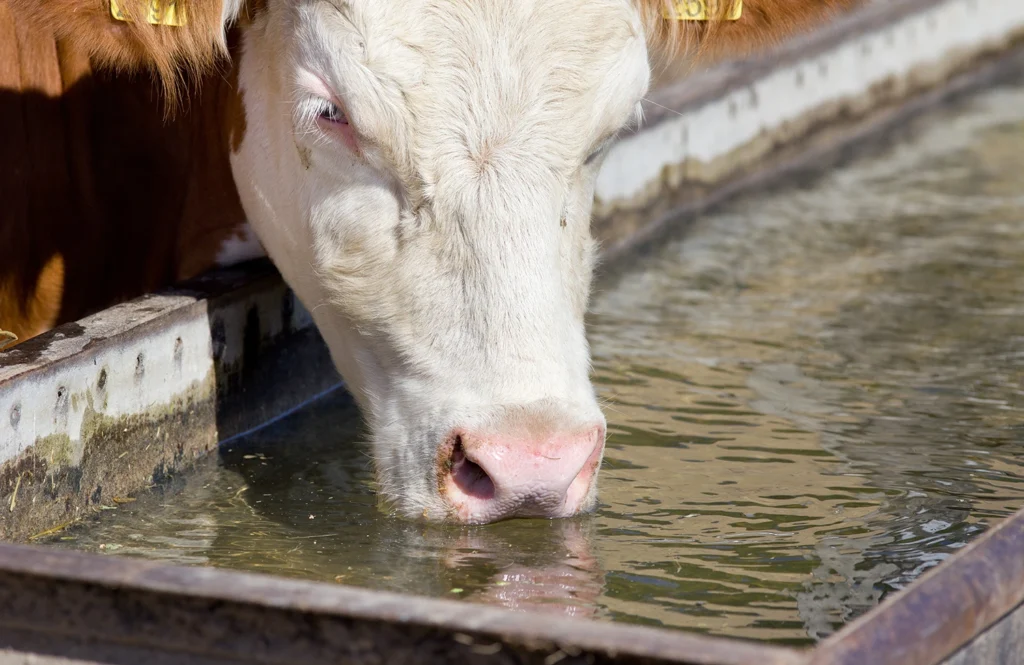
Ozone ensures that water provided to livestock is free from harmful microorganisms and contaminants, ensuring optimal health and growth. By oxidizing and eliminating off flavors, ozone enhances the quality of drinking water, supporting good hydration and dry matter intake.
Water Supply Lines
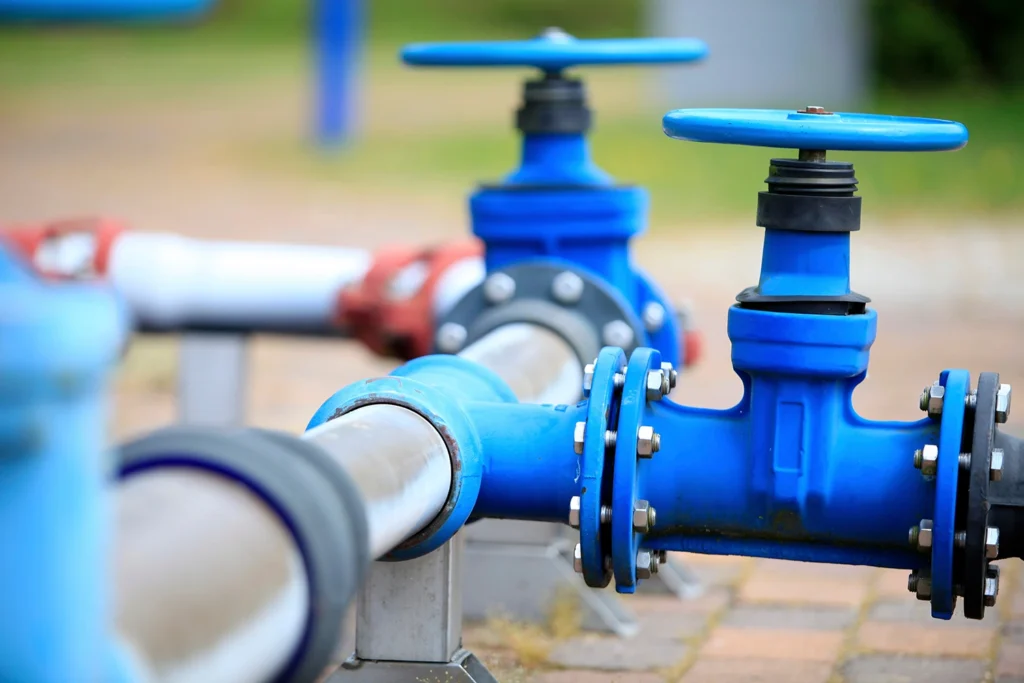
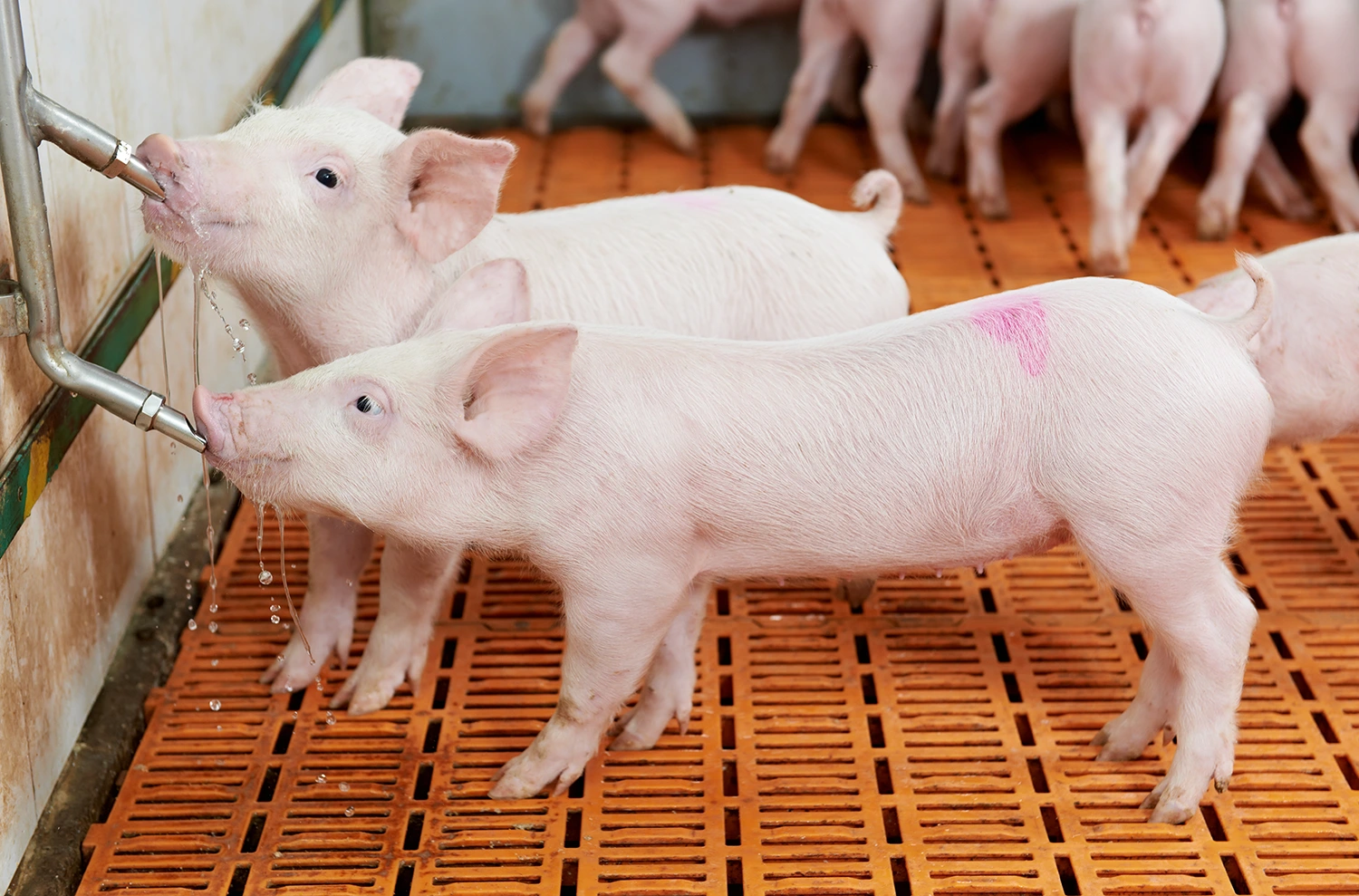
Purifico Ozone’s plug and play systems can be easily integrated into livestock watering systems to maintain clean water supply lines. By preventing the buildup of biofilms and other contaminants within the system, ozone reduces the need for frequent maintenance, improves overall system efficiency, and ensures a consistent supply of high-quality water.
Dairy Processing
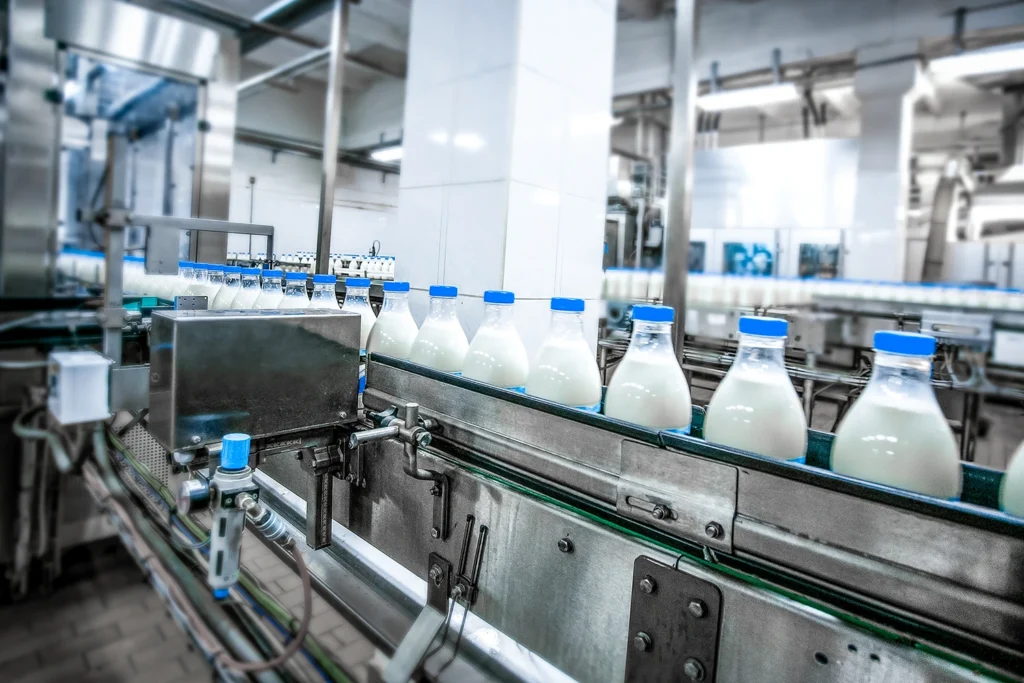
In dairy processing facilities, ozone is a versatile tool that can be used for sanitizing equipment, maintaining hygiene in milk processing and storage. Its powerful oxidizing properties effectively eliminate biofilms, pathogens, and contaminants from pipes and other surfaces without leaving residue, ensuring the safety and quality of food products.
Safety
Ozone is safe for use in livestock operations, but requires proper system design and installation. As a highly reactive oxidant, ozone can easily be removed from solution before water is delivered to livestock, ensuring safety. As a natural disinfectant, ozone provides exceptional water quality without the need for chemicals. Our systems prioritize livestock welfare, delivering water that is fresh, clean, and safe for animal consumption.
Advantages
Pathogen Control
Ozone is a powerful disinfectant that eliminates harmful bacteria, viruses, and parasites in drinking water, reducing the risk of waterborne diseases in livestock.
Improved Water Palatability
Ozone effectively oxidizes contaminants like organic matter, iron, and manganese, enhancing water taste and odor. Fresh, palatable water encourages increased intake, leading to better hydration and dry matter consumption, essential for maintaining productive livestock.
Reduced Biofilm Formation
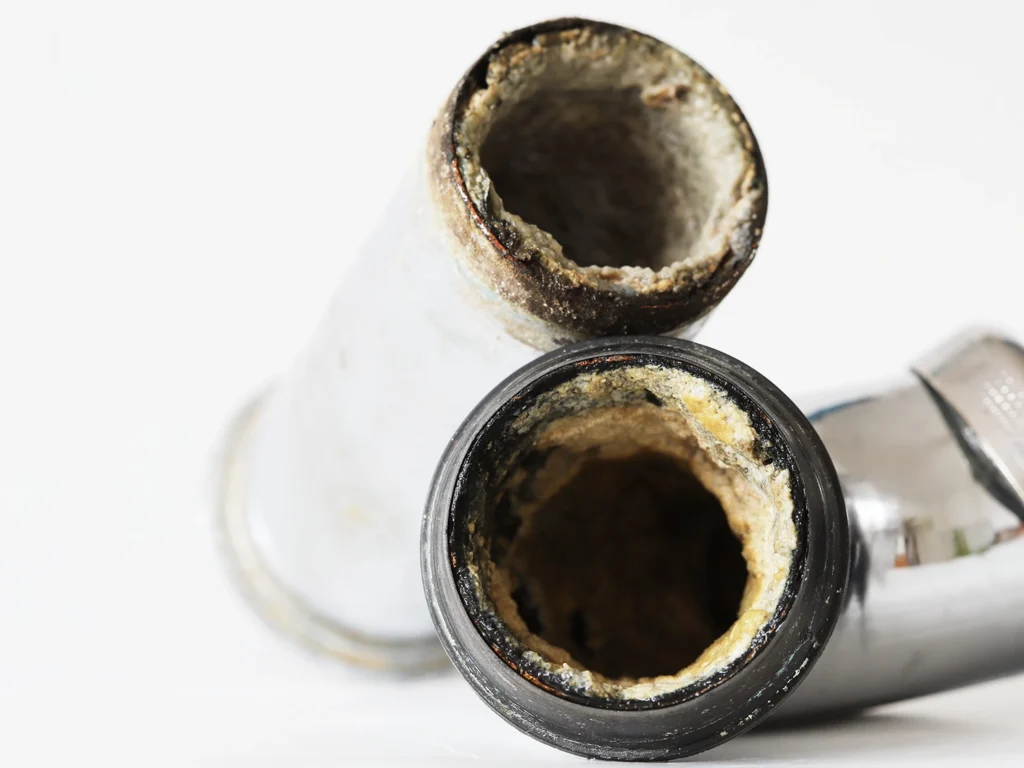
Biofilms are a significant challenge in water distribution and dairy processing facilities. Biofilms are solid layers of microbes that form on surfaces of pipes, tanks, and other equipment. Biofilms can harbor harmful microorganisms, leading to costly issues such as reduced livestock health, foodborne illnesses, and potential product recalls. Ozone is highly effective in eliminating and preventing biofilms, ensuring clean water and product quality.
Lower Chemical Usage
Unlike traditional chemical treatments, ozone leaves no harmful residues, ensuring safer water for livestock and reducing the need for chemical additives.
Cost-Effective
Unlike traditional chemical treatments, ozone is an oxygen-based oxidant that is produced using only electricity and ambient air. This ensures safer water for livestock while reducing the expense and handling of consumable chemicals. Purifico Ozone offers long-term savings by eliminating or reducing chemical usage, reducing maintenance costs, and improving energy efficiency.
Side by Side
Ozone vs. Traditional Livestock Water Treatments
Feature
Ozone (Purifico)
Chlorination
UV
Antibiotics in Water
Pathogen Kill Rate
99.9%
99%
99.9%
Varies
Effective Against Biofilm
Yes
Partial
No
No
Residue in Water / Meat
None
Yes
None
Yes
Antibiotic Resistance Risk
None
None
None
High
Animal Palatability
No off-taste
Can deter drinking
No off-taste
Varies
Waterer Line Cleaning
Continuous
Periodic
None
None
Operating Cost
Low
Medium
Low
High
Regulatory Pressure
None
None
None
Increasing
Proven Results
What Livestock Producers See After Ozone
99.9%
Pathogen Elimination
10–30%
Increase in Water Intake
20%
Average Increase in Production
0
Chemical Residue
Overall Treatment Effectiveness for Livestock Operations
Ozone (Purifico)
99%
UV Treatment
72%
Chlorination
65%
Antibiotics in Water
48%
Score across pathogen kill, residue risk, antibiotic pressure, palatability, and biofilm control.
Find Your Fit
Recommended Systems for Livestock Operations
The right system depends on herd size, number of waterers, and total daily water consumption.
Not sure which system is right for your operation? Request a free consultation. Our team will size the right solution for your herd size and water demand.
FAQ
Questions from Livestock Producers
Common questions from poultry, swine, cattle, and dairy operations evaluating ozone water treatment.
Yes. At correctly calibrated concentrations, ozone reverts to oxygen before animals drink. The water delivered to waterers is clean, fresh, and free of ozone residue. Studies across poultry, swine, and cattle operations show no adverse effects on animal health or palatability when ozone is properly applied.
In most cases, yes. Ozone oxidizes the iron, manganese, sulphur and organic compounds that give well and surface water its off-tastes and odors. Better-tasting water encourages animals to drink, and producers typically see water intake rise by 10 to 30%, which supports feed intake and growth.
No. Ozone is a naturally occurring molecule that reverts to oxygen. There is no chemical residue in water, meat, milk, or eggs from animals consuming ozone-treated water. This makes ozone particularly well-suited for operations targeting export markets or antibiotic-free and clean-label certifications.
Yes — continuously. Ozone oxidizes and removes the biofilm that accumulates inside waterer lines, nipple drinkers, and water storage tanks. This keeps water delivery infrastructure cleaner between manual cleanings, reducing labor and the risk of pathogen recontamination between flocks or production cycles.
Ozone is effective against a broad spectrum of pathogens common in livestock operations, including E. coli, Salmonella, Campylobacter, Cryptosporidium, Giardia, and a range of viruses. Its broad-spectrum kill capability makes it a more comprehensive solution than treatments targeted at specific organisms.
Yes. Purifico ozone systems are used across multiple livestock species. Application parameters are adjusted based on water volume, line length, and species-specific water consumption rates. Our team provides species-specific guidance as part of the system sizing and installation process.
System sizing is based on total daily water consumption for your herd or flock. As a rough benchmark, broiler chickens consume approximately 0.25–0.5 liters per bird per day; swine 4–10 liters per pig; and beef cattle 30–50 liters per head. Our team uses these figures plus your facility layout to size the correct system series and output rating.
Why Choose Purifico Ozone?
Purifico Ozone systems are designed to deliver reliable and efficient ozone treatment solutions tailored to the specific needs of the livestock industry. Our systems are easy to install, operate, and maintain, making them a practical choice for farmers, ranchers and processors looking to improve water quality and enhance production.
For more information on how Purifico Ozone can support your livestock operation, contact us today!