Why Choose Ozone Water Treatment?
Ozone, a powerful oxidizing agent, offers numerous benefits for water treatment in aquaculture, making it an indispensable tool for modern fish farming. Here’s why ozone stands out:
Home » Aquaculture
Ozone oxidizes harmful ammonia, nitrites, and other contaminants, reducing their levels and mitigating the risk of toxic build-up.
By breaking down organic matter and other pollutants, ozone helps maintain crystal-clear water, improving the overall appearance and quality of your aquaculture systems.
Ozone treatment increases dissolved oxygen levels, promoting better respiration and growth for fish and other aquatic organisms.
Ozone is a green technology, breaking down into oxygen without adding harmful residues, making it safe for both the environment and your aquaculture systems.
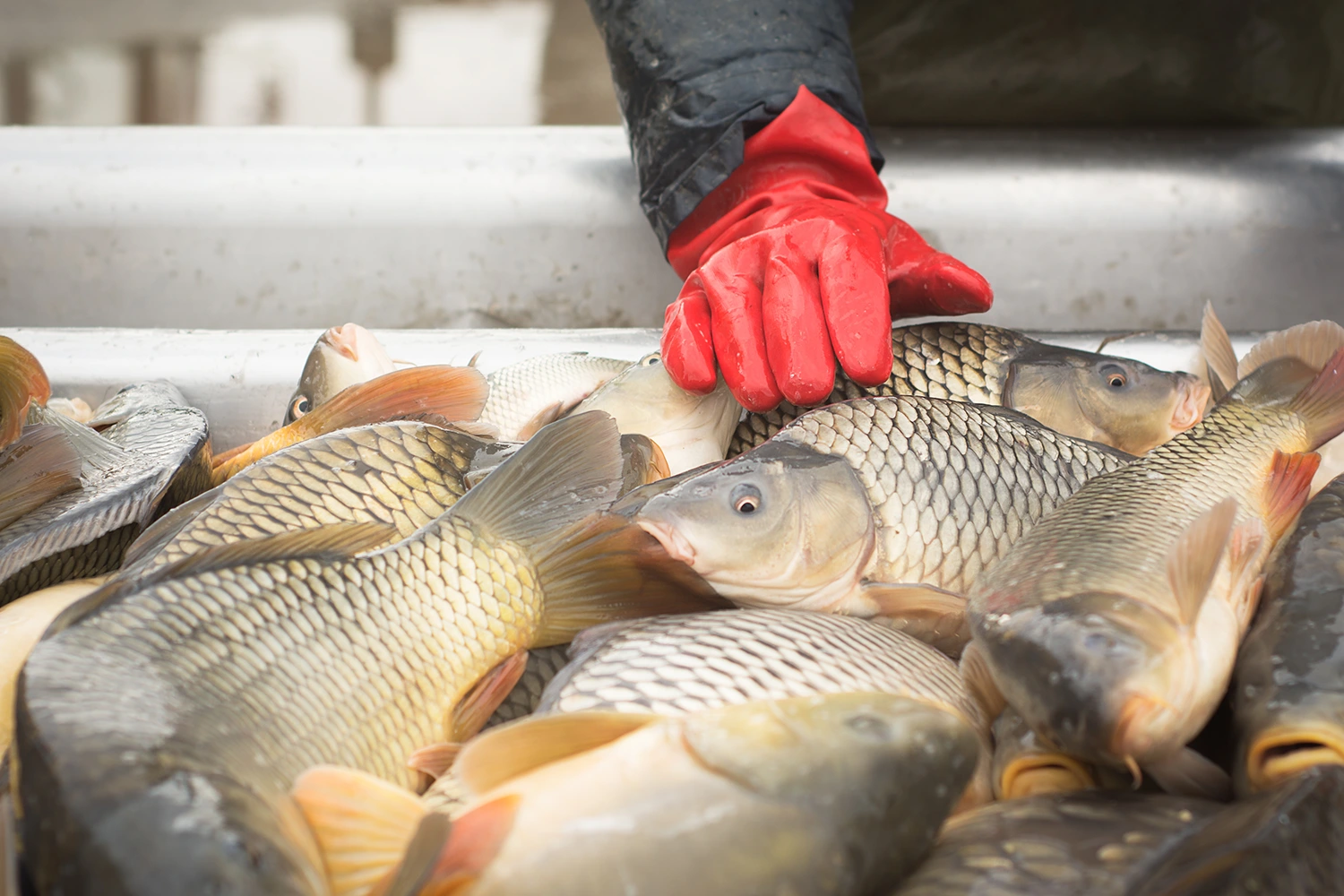
Ozone can improve the health and growth rates of fish by ensuring cleaner water and reducing pathogen loads. It helps in maintaining optimal water quality, which is crucial for the efficient and sustainable production of fish.
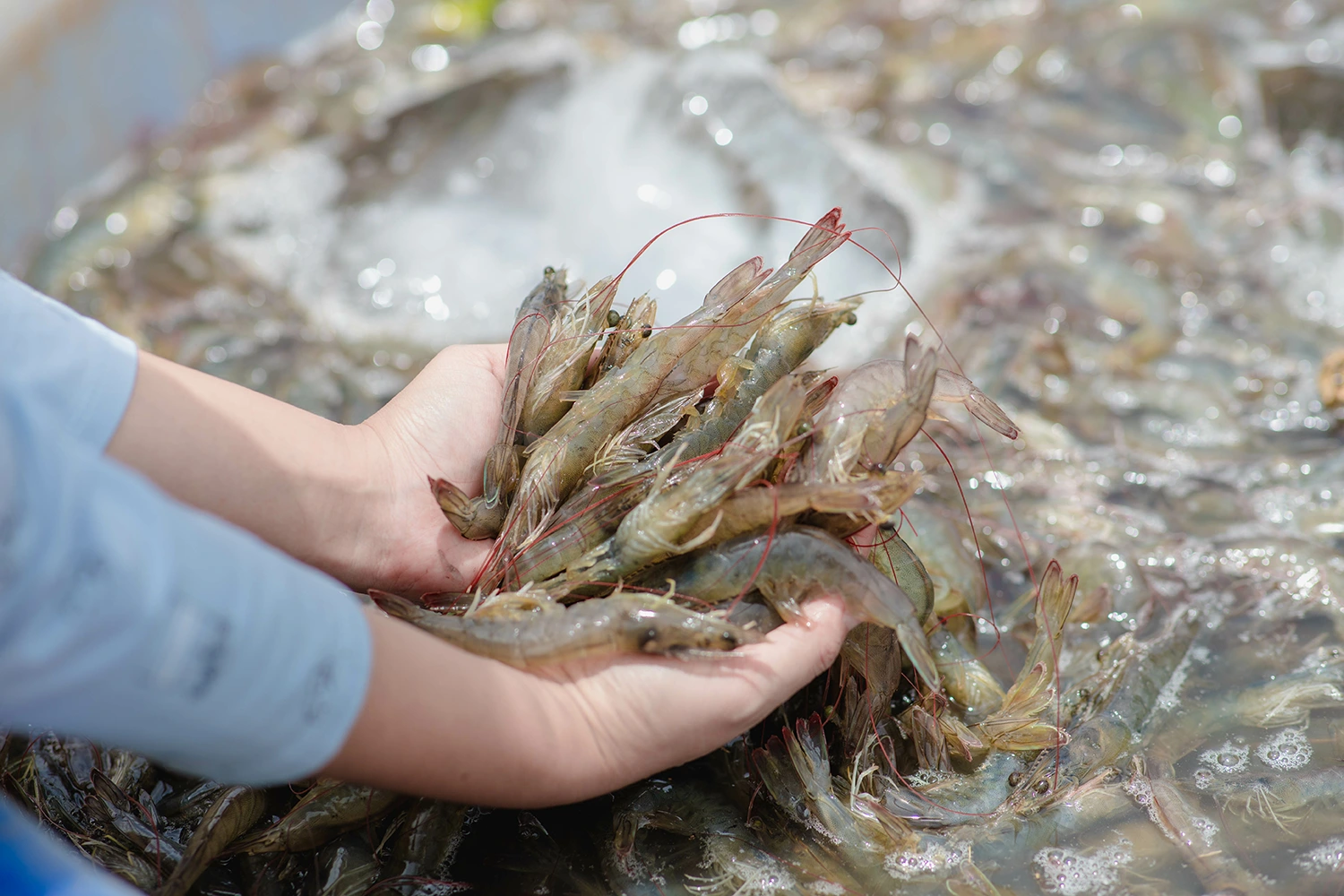
Ozone treatment helps in reducing harmful bacteria and viruses, ensuring safer and healthier shellfish. Filter feeders such as oysters and clams can accumulate contaminants from the water and are susceptible to water quality issues. Even with shellfish such as shrimp, ozone treatment results in healthier livestock and a more marketable product by lowering the overall bacterial load in their environment.
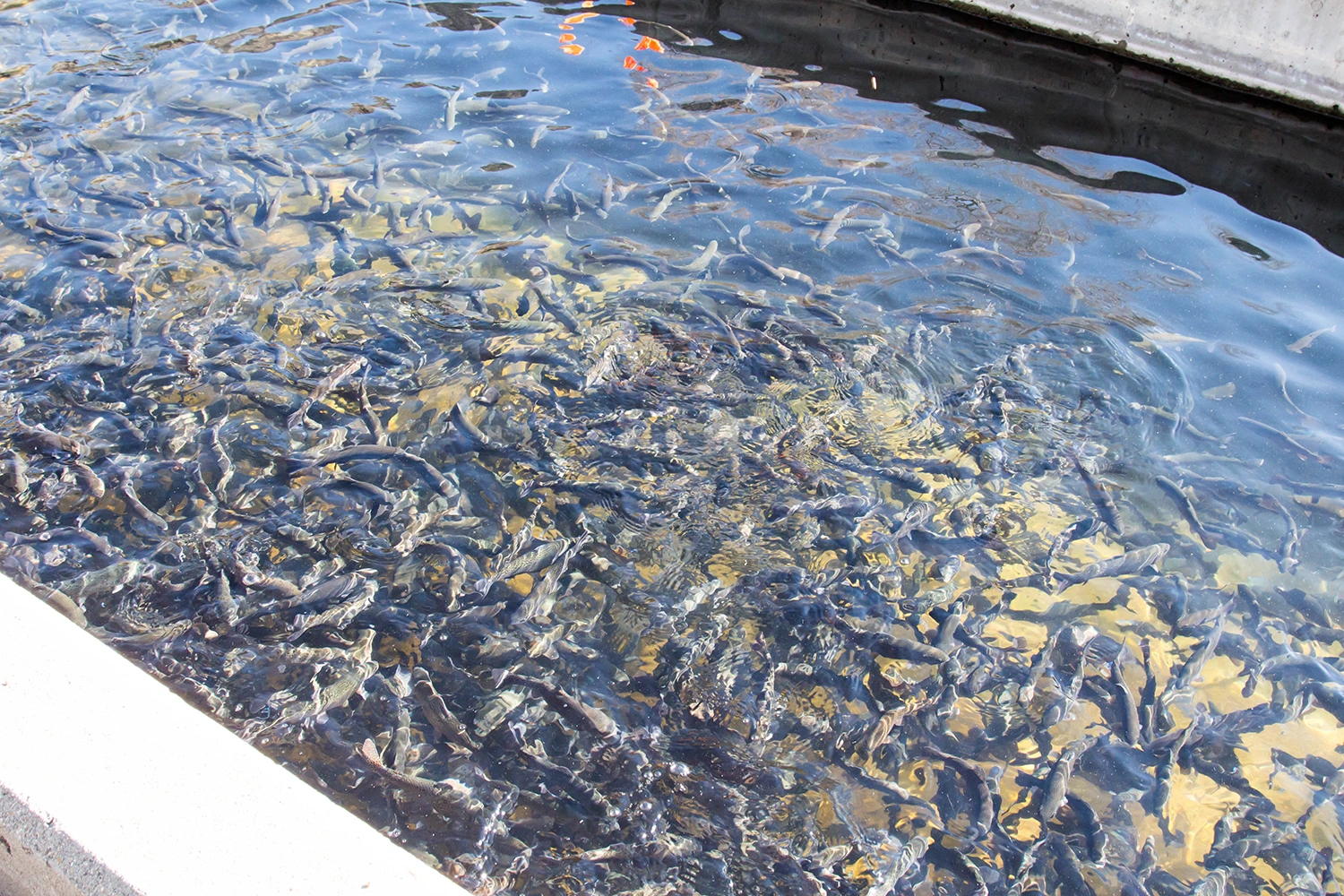
In hatcheries, maintaining high water quality is essential for the survival and growth of fish larvae. Ozone effectively eliminates pathogens and organic pollutants, providing a clean and safe environment for young fish. This leads to higher survival rates and better growth performance.
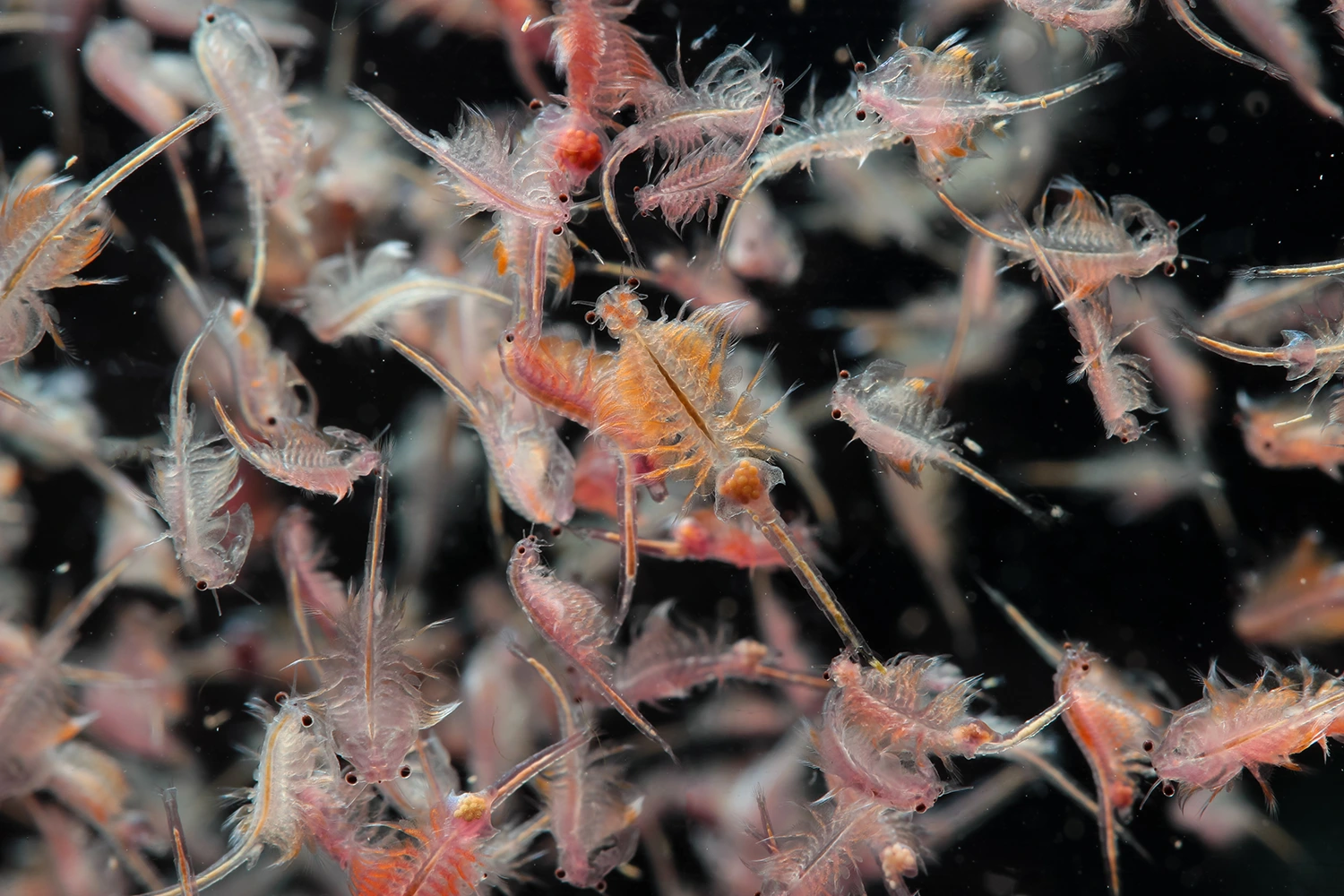
Live feed is widely used in hatcheries, but can harbor bacteria or other pathogens that harms growth and survival of livestock. Ozone can be used to sanitize the surfaces of live feed, eliminating microbes and reducing the risk of disease. Good feed quality improves the growth and survival of farmed livestock.
Using surface water in flow-through systems poses a risk of contamination by waterborne fish pathogens. Ozone offers faster and more complete inactivation of these pathogens compared to other methods, making it an excellent choice for treating influent water. After treatment, only oxygen is left behind, making it one of the cleanest water treatment technologies available. Waterborne pathogens can substantially reduce livestock health and profitability, making disease prevention through ozone treatment a wise investment for many operators.
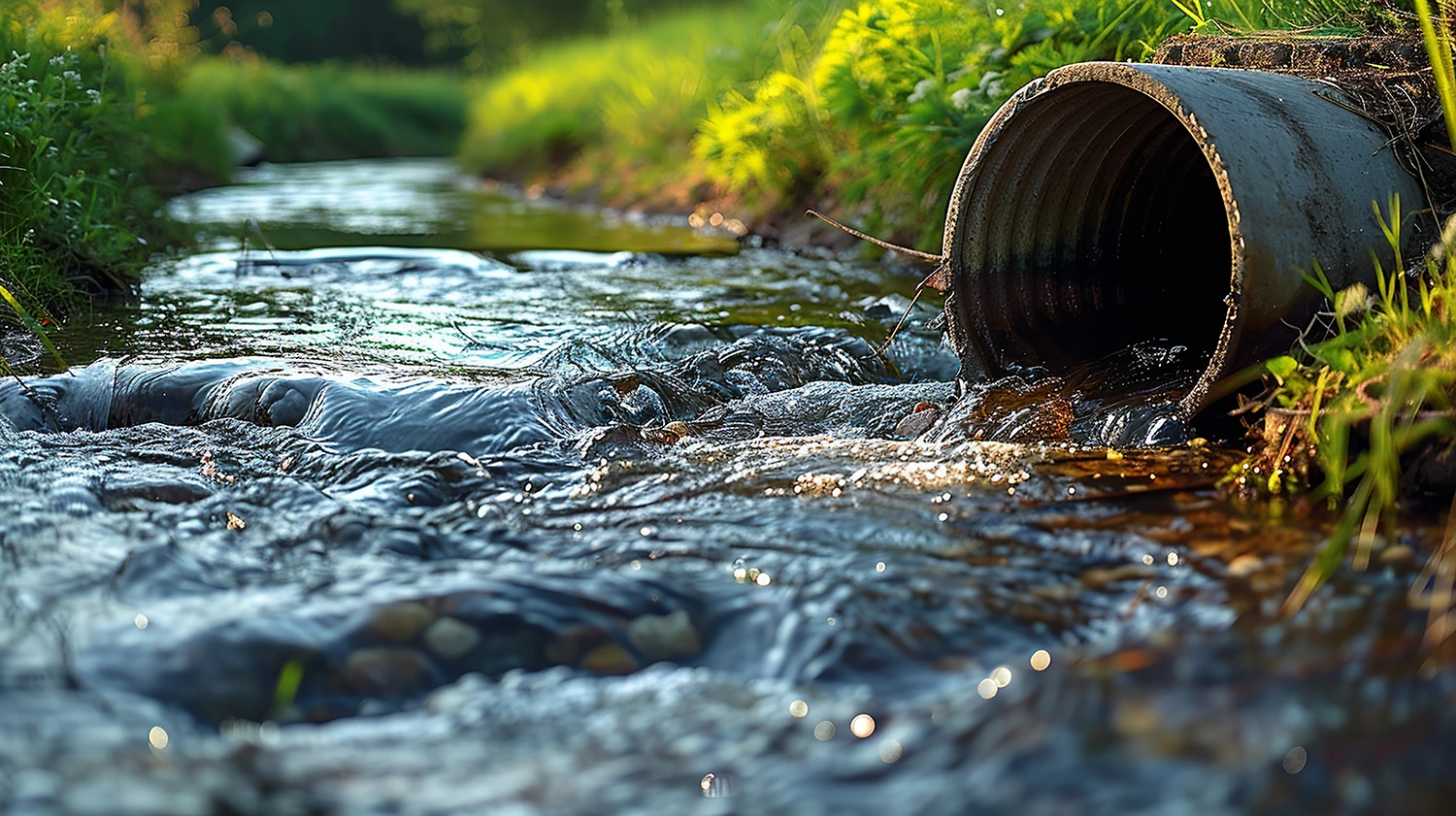
Proper treatment of effluent water from aquaculture facilities is essential for environmental protection, disease control, regulatory compliance, and sustainable practices. Untreated effluent, which can contain high levels of nutrients, organic matter, and pathogens, poses a risk to natural water bodies and wild fish populations. Treatment, such as ozone treatment which can inactivate nearly 100% of microbes, helps maintain natural biodiversity and promotes healthier aquatic environments. Additionally, it ensures compliance with environmental regulations, preventing legal issues and supporting the long-term sustainability of aquaculture operations.

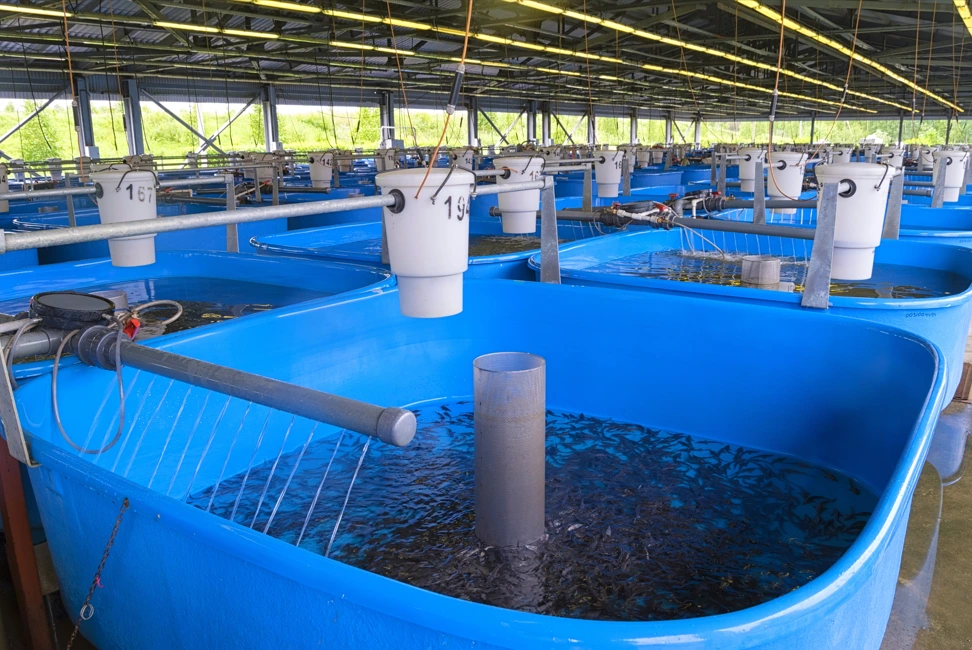
RAS benefit significantly from ozone treatment as it helps in managing water quality by reducing organic load, controlling pathogens, and maintaining optimal oxygen levels. Ozone helps in reducing the frequency of water exchanges, making RAS more efficient and cost – effective.