Greenhouse Water

Ozone in Greenhouse Water Treatment

Protect your crops, root zones, and irrigation lines from waterborne pathogens with Purifico’s intelligent ozone disinfection. Eliminate Pythium, Fusarium, biofilm, and algae from recirculated water, leaving no chemical residue, no harm to sensitive plants, and no disruption to your growth cycle.

Quick Answer: Ozone is the most powerful disinfectant available for greenhouse irrigation, outperforming chlorine, UV, and hydrogen peroxide. It eliminates root pathogens, viruses, fungi, and biofilm on contact, then breaks down into pure oxygen with no toxic byproducts. The result: cleaner recirculated water, healthier root zones, and zero chemical residue on your crops, soil, or irrigation lines.

Common Waterborne Threats in Greenhouse Operations

Greenhouse water carries a constant load of pathogens that destroy crops and cripple yields. Pythium, Fusarium, Phytophthora, and tobacco mosaic virus thrive in irrigation lines, drip emitters, and recirculated nutrient tanks. Biofilm and algae compound the problem, clogging hardware and shielding pathogens from treatment. Without effective disinfection, a single contaminated source can wipe out entire crops,  and once these organisms enter your system, they spread quickly throughout your facility.

How Ozone Works in Greenhouse Irrigation

Ozone (O₃) is an unstable, oxygen-based molecule with a powerful third atom that reacts on contact with cell walls, proteins, and nucleic acids. When injected into greenhouse irrigation water, ozone destroys bacteria, fungi, viruses, and protozoa within seconds, far faster than chlorine or peroxide. After completing its work, ozone reverts to ordinary oxygen, leaving no chemical residue on plants, in soil, or inside drip lines. The result is sterile water with high dissolved oxygen levels.

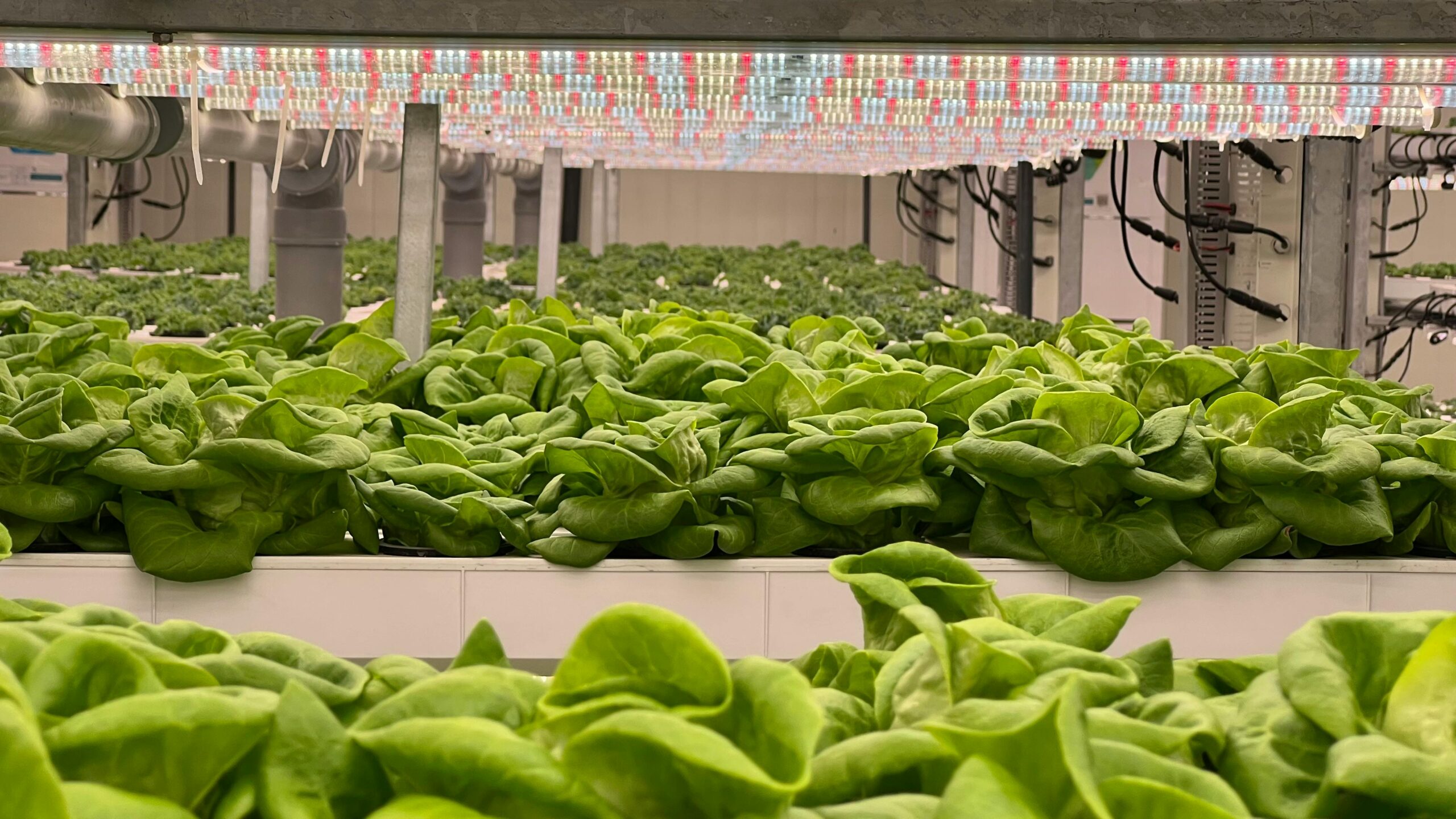
Indoor hydroponic farm growing rows of leafy green lettuce under LED grow lights in a controlled environment.

Ozone in Recirculating and Hydroponic Systems

Recirculating greenhouse systems save water but concentrate pathogens with every pass. Ozone makes closed-loop irrigation viable by sterilizing return water before it re-enters the supply tank, breaking the contamination cycle that destroys hydroponic, NFT, and ebb-and-flow operations. Properly dosed ozone treats high-volume flow rates without damaging pumps, sensors, or distribution lines. Growers reclaim water, reduce nutrient waste, and protect future crops, all without the chemical residue concerns that limit other treatment options in crop production.

Protecting Nutrient Solutions and Sensitive Crops

Ozone is typically applied before nutrients are added to protect iron chelates, micronutrients, and beneficial biology. Purifico systems treat raw source water or return flows to remove pathogens and improve water quality, then deliver clean, oxygen-rich water for downstream nutrient mixing.

In recirculating irrigation systems, where nutrients are already present, ozone dosing is carefully controlled and paired with ozone-resistant micronutrients (e.g., stable iron and manganese chelates) to avoid oxidation issues. This approach maintains nutrient integrity while still suppressing Pythium and other root-zone pathogens.

The result is consistently cleaner irrigation water without compromising crop nutrition, even in sensitive crops like tomatoes, cucumbers, and cut flowers.

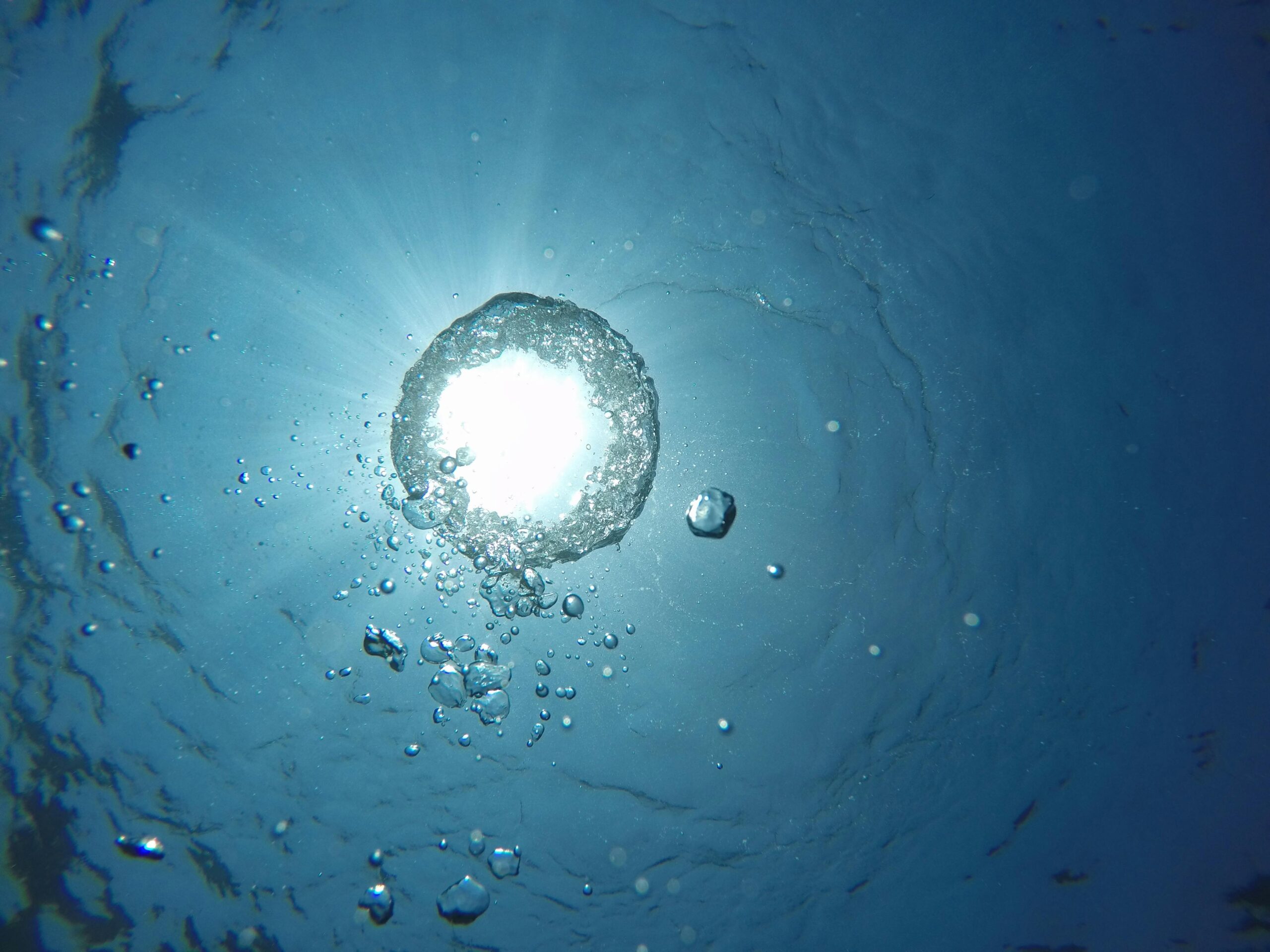
Underwater view of sunlight shining through the surface, with air bubbles rising toward the light in blue water.

The Operational Advantages of Ozone

Ozone is generated on-site from oxygen, eliminating the supply chain, storage, and handling risks of liquid chemicals. There are no drums to deliver, no spill containment to maintain, and no chemical residues to flush before harvest. Purifico’s intelligent ZONE™ monitoring tracks system performance in real time, sending alerts and allowing remote adjustments. Combined with a lower long-term cost-per-gallon than chlorine or peroxide, ozone delivers measurable savings while raising biosecurity across every stage of greenhouse production.

Key Benefits of Ozone in Greenhouse Water Treatment

Close-up of a plant root ball with white tangled roots and dark soil, showing root growth and structure.

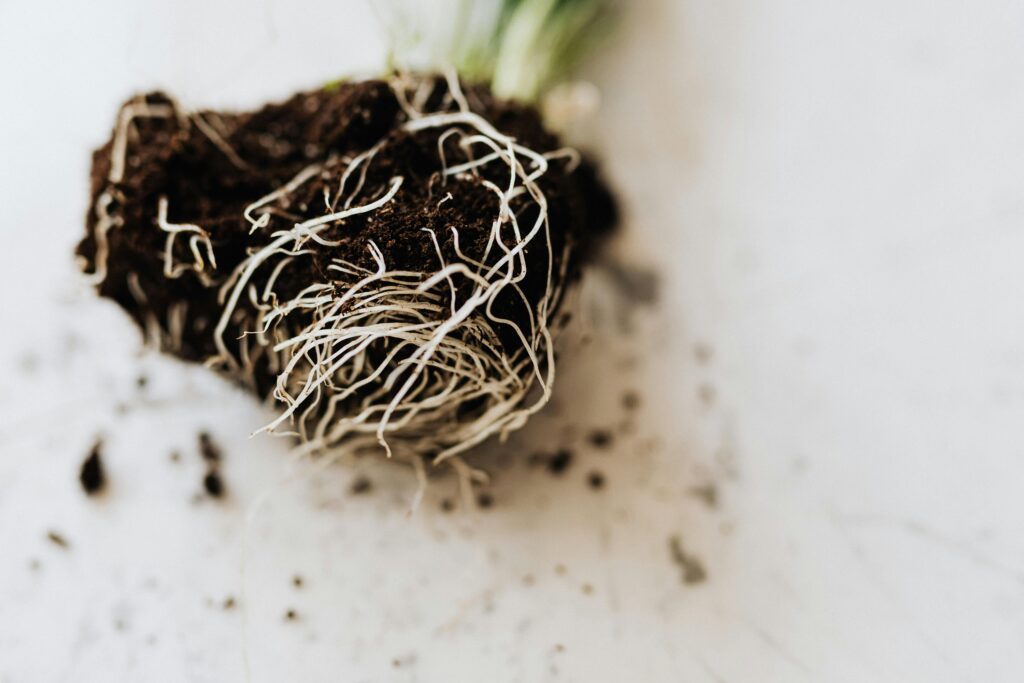
Eliminates Root-Zone Pathogens

Ozone destroys Pythium, Fusarium, Phytophthora, and other root-zone pathogens on contact, protecting young roots and preventing crop loss across recirculating greenhouse systems.

Close-up of green leaves on a branch covered in water droplets, with a soft blurred background.

Leaves Zero Chemical Residue

After disinfecting, ozone reverts to pure oxygen, no chlorine byproducts, no chemical buildup in soil, and nothing for growers to flush before harvest.

Macro close-up of a fibrous brush or material with translucent bristles coated in sticky orange residue.

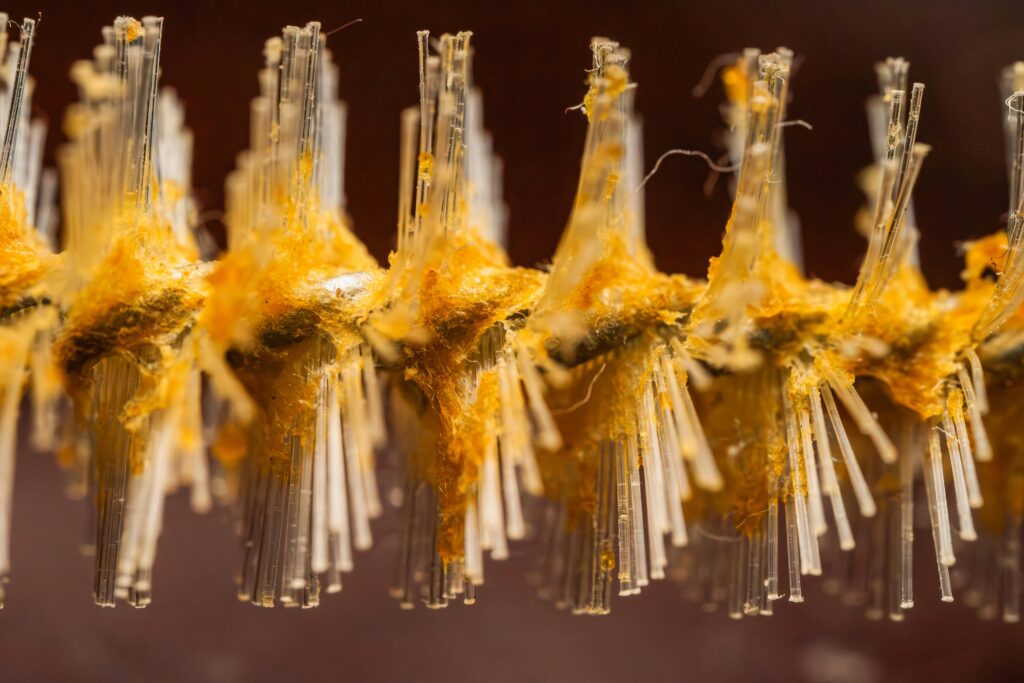
Removes Biofilm and Mineral Buildup

Ozone breaks down biofilm inside drip lines, emitters, and storage tanks, restoring full flow rates and extending the working life of irrigation hardware.

Hourglass with black sand next to US twenty-dollar bills, symbolizing time and money.

Lowers Long-Term Treatment Costs

Ozone is generated on-site from oxygen, eliminating chemical purchases, delivery logistics, and storage requirements, reducing per-gallon treatment costs over the system’s lifetime.

Applications in Various Sectors

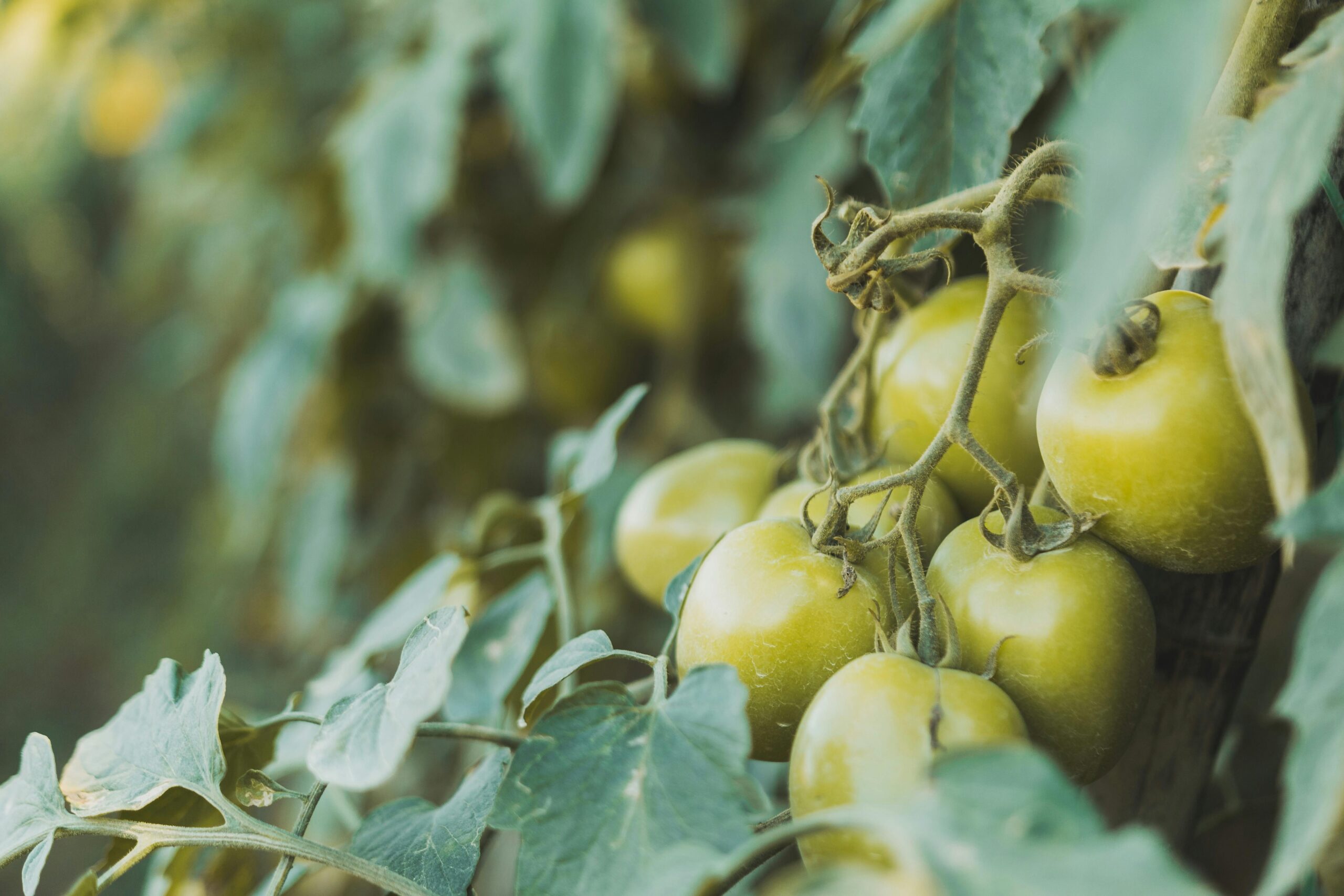
Vegetable and Fruit Production

Tomatoes, cucumbers, peppers, lettuce, and strawberries are highly susceptible to root-zone pathogens like Pythium and Fusarium in recirculating systems. Ozone treats irrigation water at the source and the return line, eliminating these threats and boosting dissolved oxygen levels. Growers maintain higher, consistent yields, extend system uptime, and meet food-safety standards without the chemical washouts required by chlorine-based treatments before harvest.

Cluster of unripe green tomatoes growing on a vine among leafy foliage in a garden or greenhouse.
What ozone removes from wastewater Four contaminant categories treated in a single step Pathogens E. coli Legionella Giardia Viruses Pharma- ceuticals EDCs Micro- pollutants Color & odor Chromophores VOCs Dyes Sulfides BOD COD Organic load Organics TSS Sludge Nutrients Purifico HV Series delivers 32 to 95 PPD of ozone for municipal and industrial wastewater facilities
Large greenhouse interior filled with rows of colorful potted flowers arranged on benches, with metal framing and irrigation hoses visible.

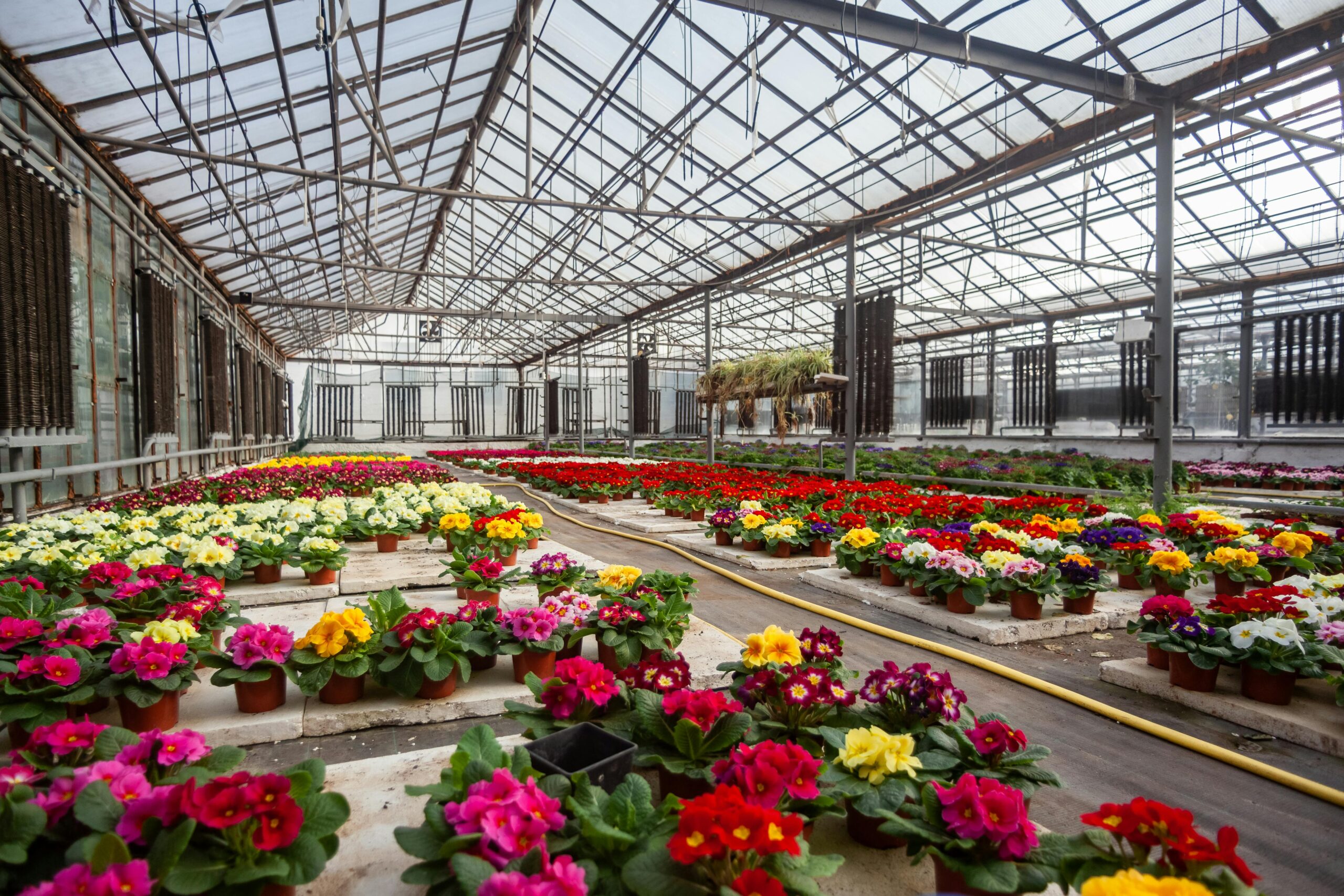
Floriculture and Cut Flower Operations

Cut flower growers depend on pristine water to prevent stem-end clogging, premature wilting, and post-harvest disease. Ozone disinfects irrigation supply, hydration tanks, and post-harvest holding water, extending vase life and protecting delicate species like roses, gerberas, and lilies. Because ozone leaves no chemical residue, blooms retain their natural color and fragrance, helping floriculture operations command premium pricing in competitive wholesale and export markets.

Specialty and High-Value Crops

High-value crops including herbs, microgreens, medicinal plants, and propagated cuttings demand the cleanest possible water to protect tight margins and meet strict purity standards. Ozone provides reliable disinfection without compromising the sensitive root systems or beneficial microbes these crops require. Purifico’s intelligent dosing keeps treatment levels precise, ensuring every gallon delivered to the root zone is sterile, oxygen-rich, and ready to support optimal growth.

Close-up of leafy green crops in a field covered with morning dew, with a soft, blurred horizon in the background.

Contact Us

Ready to transform your municipal water treatment process with advanced ozone technology? Contact our team today to learn more about our solutions and how we can help you achieve cleaner, safer water for your community.