

Ozone in Aquaculture: How RAS Farms Cut Fish Disease
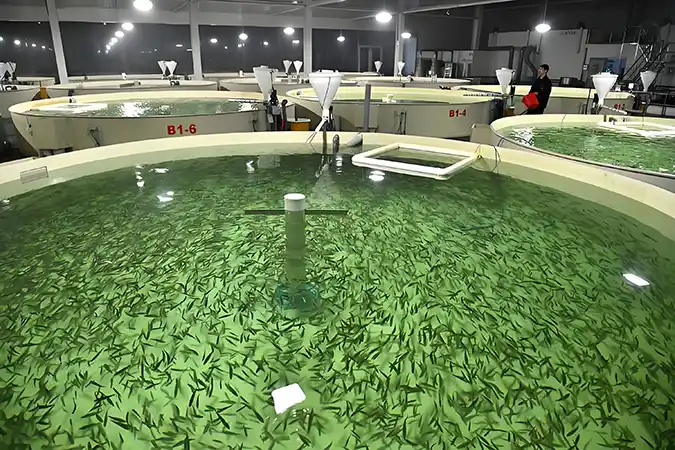
Quick Answer: Ozone in aquaculture is a chemical-free water treatment method in which ozone gas (O₃), generated on-site, is dissolved into recirculating aquaculture system (RAS) water to destroy fish pathogens, oxidize ammonia and nitrite, and clarify the water column. Controlled by ORP monitoring, ozone inactivates bacteria such as Vibrio and Aeromonas up to 50 times […]
Ozone vs Hydrogen Peroxide: Why Operators Are Ditching Shock Dosing
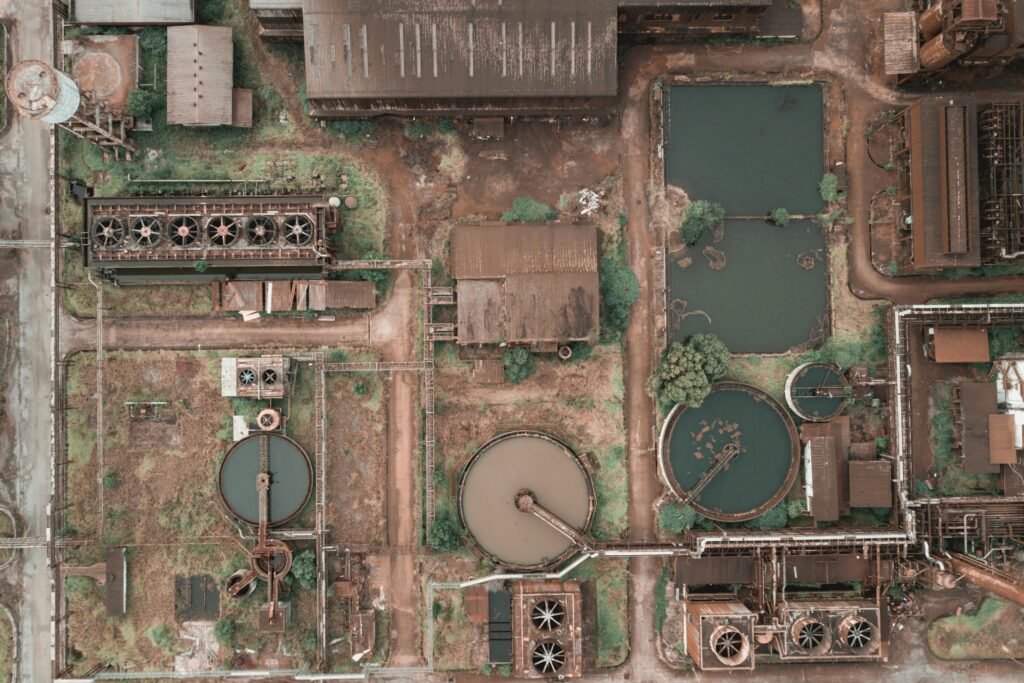
Quick Answer Many growers and operators still shock-dose their water with hydrogen peroxide or other chemicals to keep irrigation and process lines clean. It works, but it carries real costs: hazardous storage, handling risk, phytotoxicity to crops or stress on livestock, and a recurring chemical bill. Ozone is a stronger oxidizer you generate on site […]
Is Ozonated Water Safe to Drink? What Regulators, Scientists, and Industry Experts All Agree On

Quick Answer: Yes, ozonated water is safe to drink. The U.S. Food and Drug Administration granted ozone GRAS (Generally Recognized as Safe) status for direct contact with food and beverages in 2001, and the U.S. Environmental Protection Agency approves ozone as a disinfectant for municipal drinking water. Ozone dissolved in water has a half-life of […]
Ozone Water Purification: The Science, Benefits, and Industrial Applications Explained
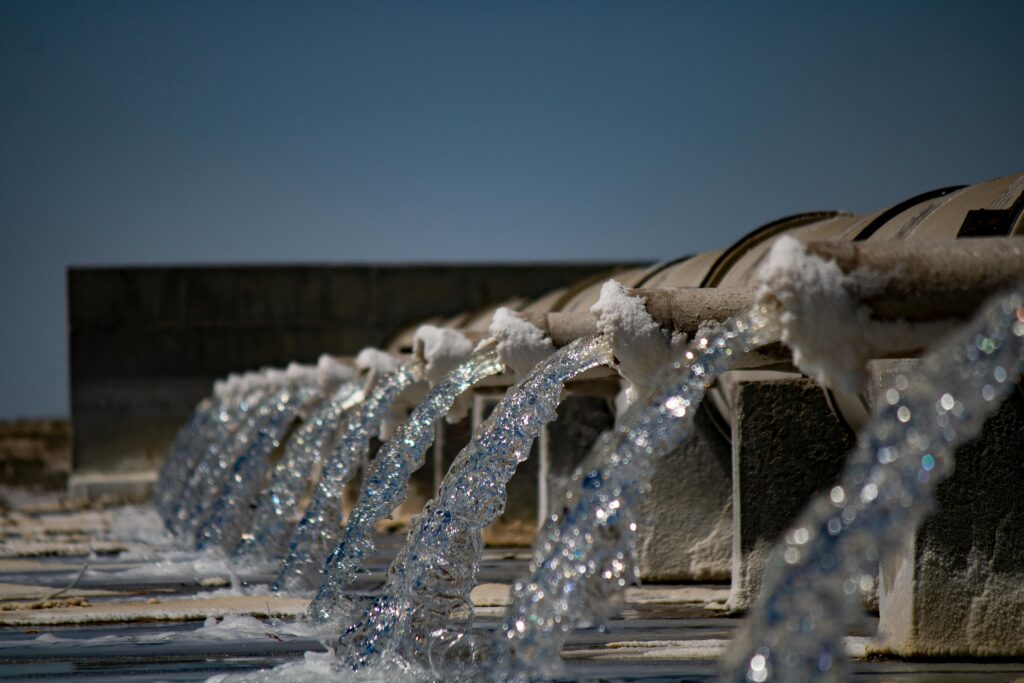
Quick Answer: Ozone water purification is a chemical-free treatment process that dissolves ozone gas (O₃) into water, where it attacks and destroys the cell walls and genetic material of pathogens through direct oxidation and the generation of hydroxyl radicals. The process eliminates bacteria such as E. coli and Salmonella, protozoa including Cryptosporidium and Giardia, viruses, […]
Ozone Water Treatment: How It Works, Why It Works, and Where It’s Used

Quick Answer: Ozone water treatment is a chemical-free purification process in which ozone gas (O₃) — generated on-site via corona discharge or UV light — is dissolved into water to destroy pathogens including E. coli, Cryptosporidium, Giardia, and Legionella. Ozone acts up to 3,000 times faster than chlorine and leaves no toxic disinfection byproducts behind, […]
What Is Ozonated Water? Benefits, Uses, and How It Works

Quick Answer TL;DR Ozonated water is water infused with dissolved ozone (O₃), a powerful oxidizing agent that destroys pathogens including E. coli, Cryptosporidium, and Giardia at a rate 3,000x faster than chlorine, then breaks down into pure oxygen, leaving zero chemical residue. It is produced by passing an electrical discharge through oxygen and dissolving the […]
Fulfilling the Promise of “Oxygen-Rich” Water
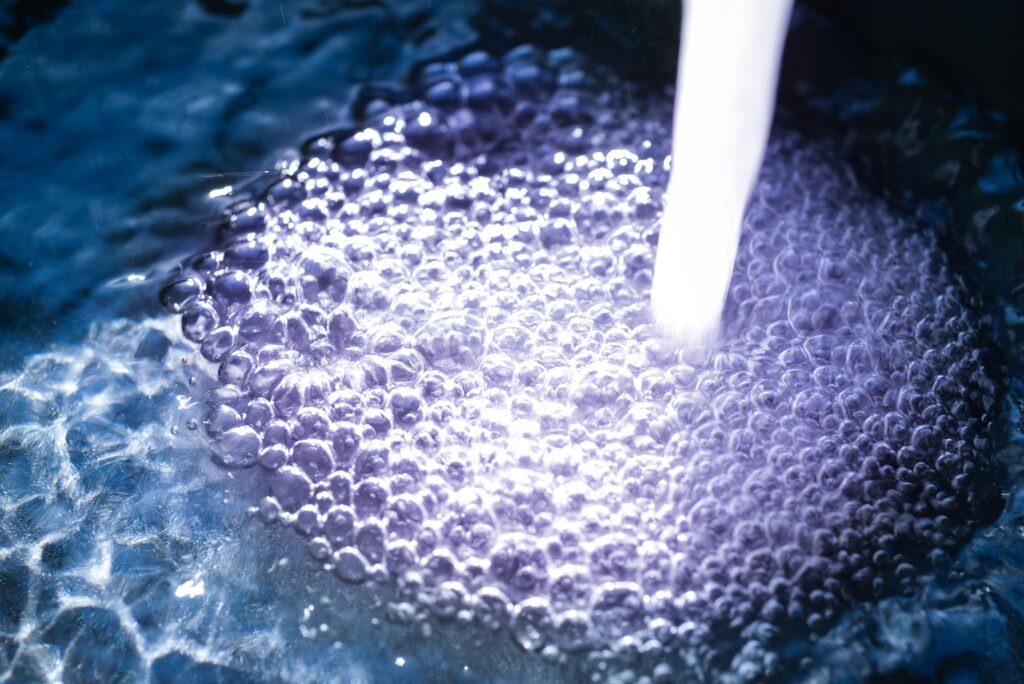
Quick Answer Oxygen-rich water is one of the most promising tools in modern growing. Higher dissolved oxygen builds stronger roots, sharpens nutrient uptake, and helps crops shrug off heat and disease. The catch is that “oxygenated water” is far easier to claim than to deliver. Bubbling air through water raises dissolved oxygen for a moment, […]
The Oxygen Thief: Why Hypoxic Irrigation Water Stalls Plant Growth

Quick Answer Plants breathe through their roots, and they do it using the oxygen dissolved in their water. When that oxygen runs low, a condition called hypoxia, roots cannot respire, nutrient uptake slows, and growth stalls. Hypoxic irrigation water acts like an oxygen thief, quietly capping yield even when light, nutrients, and climate look fine. […]
Mitigating Airborne Pests: How Clean Water Lowers Greenhouse Humidity Stress
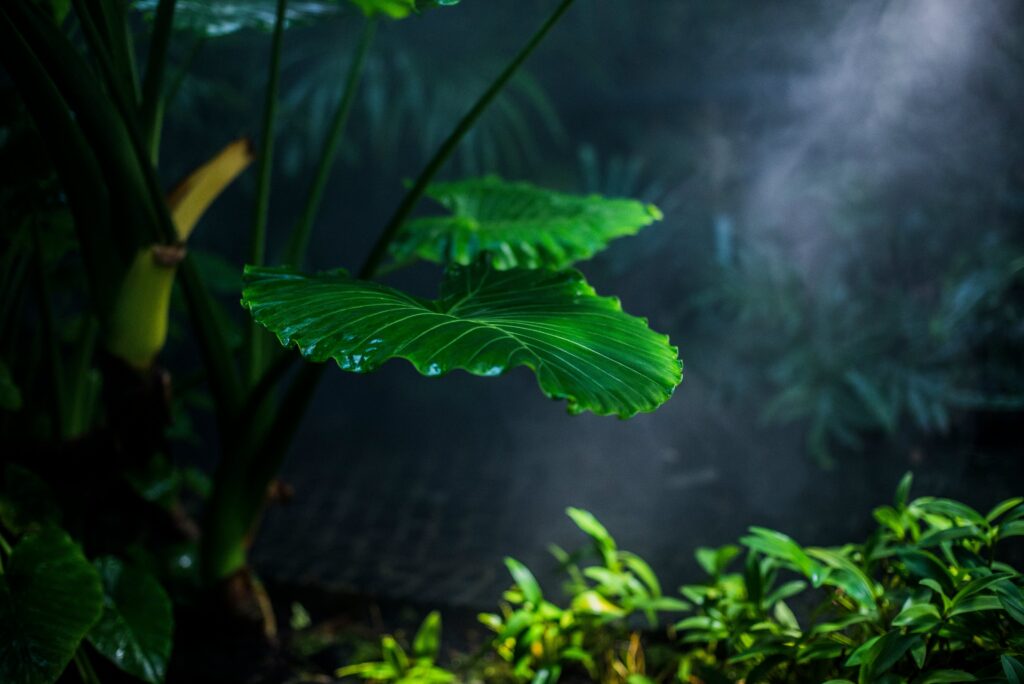
Quick Answer Greenhouse humidity control is usually treated as a job for vents, fans, and dehumidifiers. Those tools matter, but they fight a losing battle when hidden moisture sources keep feeding the air. Dirty irrigation water is one of the biggest. Algae in reservoirs and lines, clogged emitters that force overwatering, and root disease that […]
Ozone + Nanobubbles: The Future of High-Efficiency Irrigation
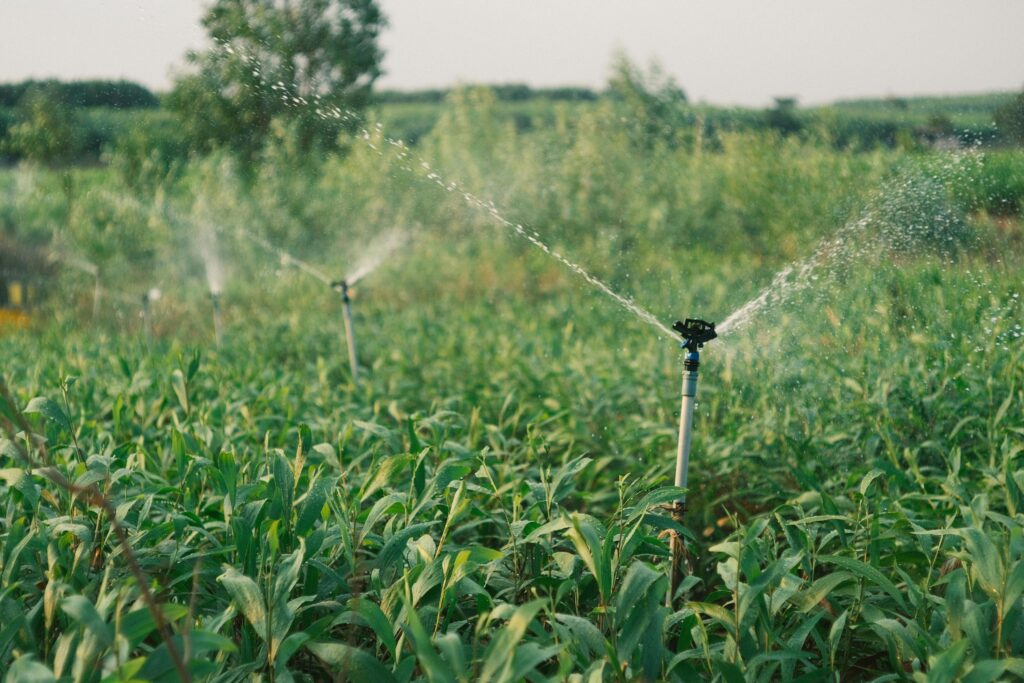
Quick Answer High-efficiency irrigation comes down to getting more from every drop and every input. Pairing ozone with nanobubble technology does exactly that. Nanobubbles are microscopic gas bubbles that stay suspended in water far longer than ordinary bubbles, so they transfer gas almost completely instead of escaping into the air. When that gas is ozone, […]