

Why Commercial Growers Are Ditching Chlorine for Ozone

Quick Answer TL;DR Chlorine has long been a standard water treatment option in greenhouse production, but it is increasingly scrutinized for the agronomic challenges it brings. Ozone, on the other hand, has been gaining popularity as an effective and relatively problem-free treatment option. Ozone is a much more powerful oxidant than chlorine, inactivating chlorine-resistant pathogens […]
How Ontario Greenhouses Are Upgrading Their Water

Quick Answer TL;DR Ontario’s greenhouse sector, stretching from Leamington to Niagara to the Holland Marsh, depends on precise water treatment to keep vegetable, floriculture, and cannabis operations productive year-round. Ontario growers face a specific cocktail of challenges: high iron and manganese in well water, surface-water pathogens, recirculation buildup, and tightening expectations under the Nutrient Management […]
Ozone in Aquaculture: Controlling Pathogens and Algae
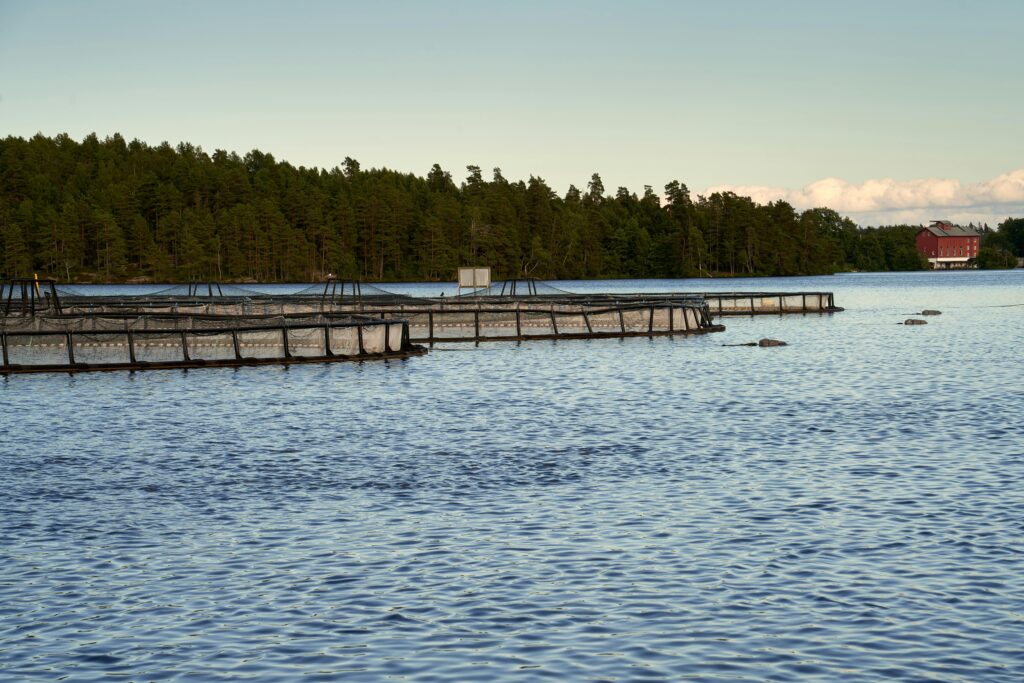
Quick Answer: Ozone in aquaculture is used to disinfect intake water, control algae blooms, and oxidize ammonia, nitrites, and organic waste without leaving chemical residues. It inactivates pathogens like Vibrio, Aeromonas, IHNV, and Ichthyophthirius at parts-per-million doses, then reverts back to oxygen that raises dissolved oxygen levels for the fish. Hatcheries, recirculating aquaculture systems […]
Ozone Wastewater Treatment: How It Works & Why It Wins
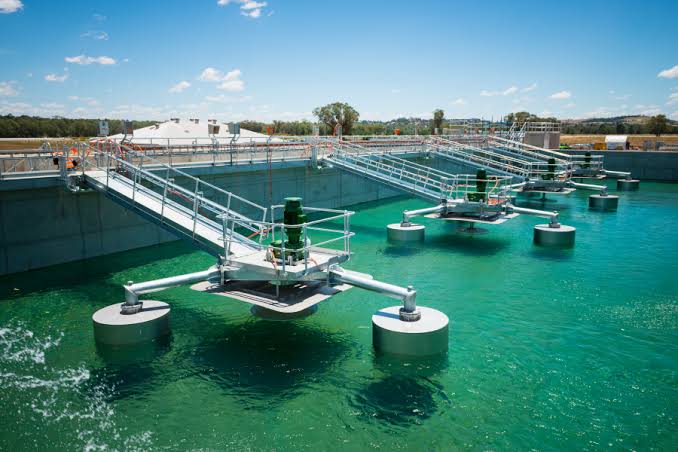
Quick Answer: Wastewater ozone treatment uses ozone gas (O₃), generated on-site, to oxidize and disinfect treated effluent in a single step. Ozone reduces COD, removes color and odor, reduces sludge, and disinfects, all while decomposing back into oxygen with no chlorinated byproducts. Because it delivers advanced oxidation and disinfection together, wastewater ozone treatment has become […]
Livestock Drinking Water Quality: The Hidden Profit Driver
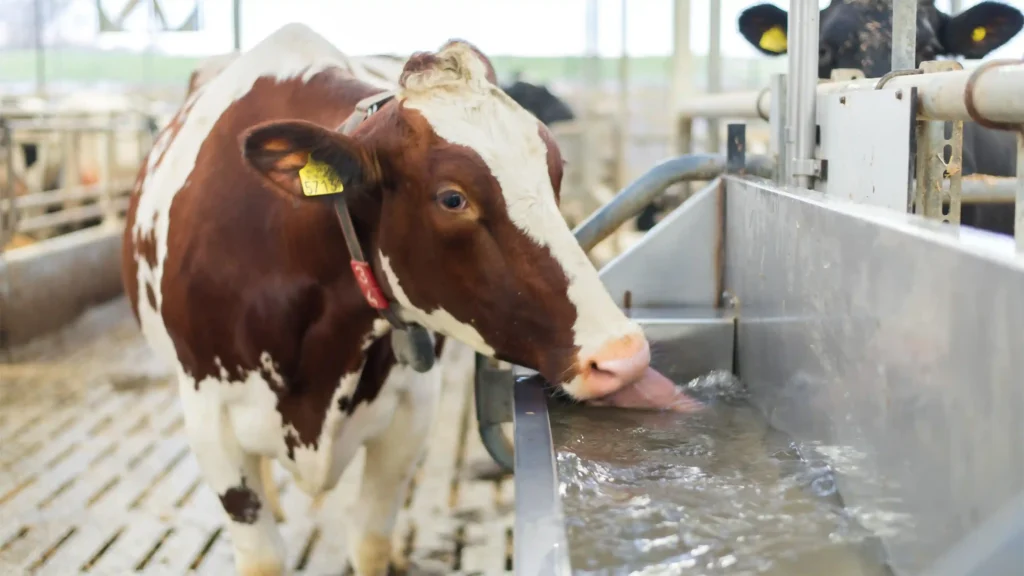
Quick Answer: Livestock drinking water quality is the cleanliness, palatability, and safety of the water animals drink, and it directly shapes health, feed conversion, and output. Water is the single most consumed nutrient, yet it is often the least managed input on a farm. Contaminated water and biofilm-clogged lines suppress intake, spread disease, and quietly […]
Greenhouse Water Treatment: The Case for Ozone Irrigation
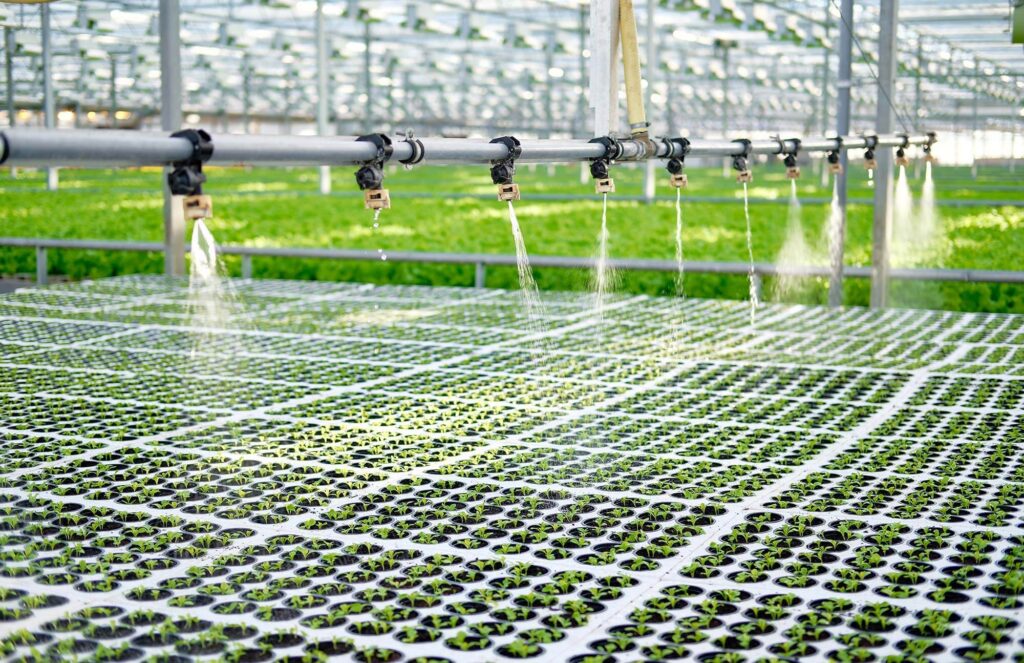
Quick Answer: Greenhouse water treatment is the disinfection and conditioning of irrigation water so it is safe to deliver to crops and to reuse in recirculating systems. Ozone is the strongest option available, destroying root-zone pathogens like Pythium, Phytophthora, and Fusarium on contact, clearing biofilm, and raising dissolved oxygen at the root zone. Because ozone […]
Brewery Water Treatment: How Ozone Protects Every Batch
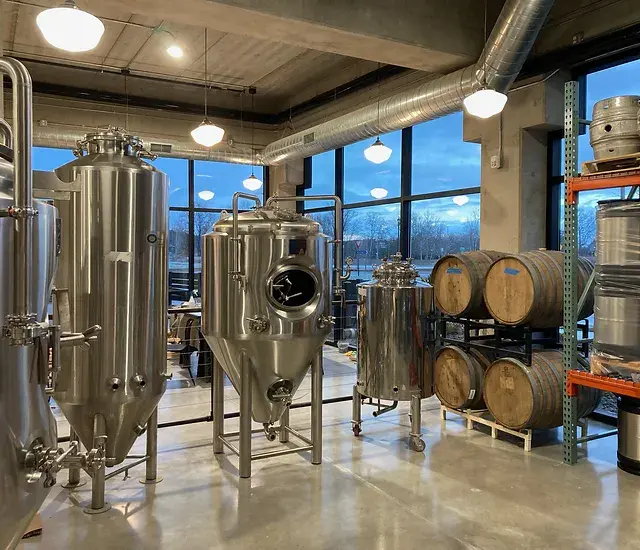
Quick Answer: Brewery water treatment is the disinfection and conditioning of the water a brewery uses, both as an ingredient and for cleaning. Ozone protects every batch by disinfecting incoming brewing water, running chemical-free clean-in-place (CIP) cycles at ambient temperature, and sanitizing kegs, barrels, and packaging lines, all without leaving the chlorine or chemical residues […]
Why Bottled Water Companies Use Ozone (And How It Works)
Quick Answer: Bottled water companies use ozone in bottled water production because it is the only disinfectant that sanitizes the water, the bottle, and the cap at the moment of filling, then decomposes back into oxygen before the consumer opens it. Ozone leaves no taste, odor, or chemical residue, kills bacteria, viruses, and protozoa, and […]
Ozone in Municipal Water Treatment: Why Communities Are Switching
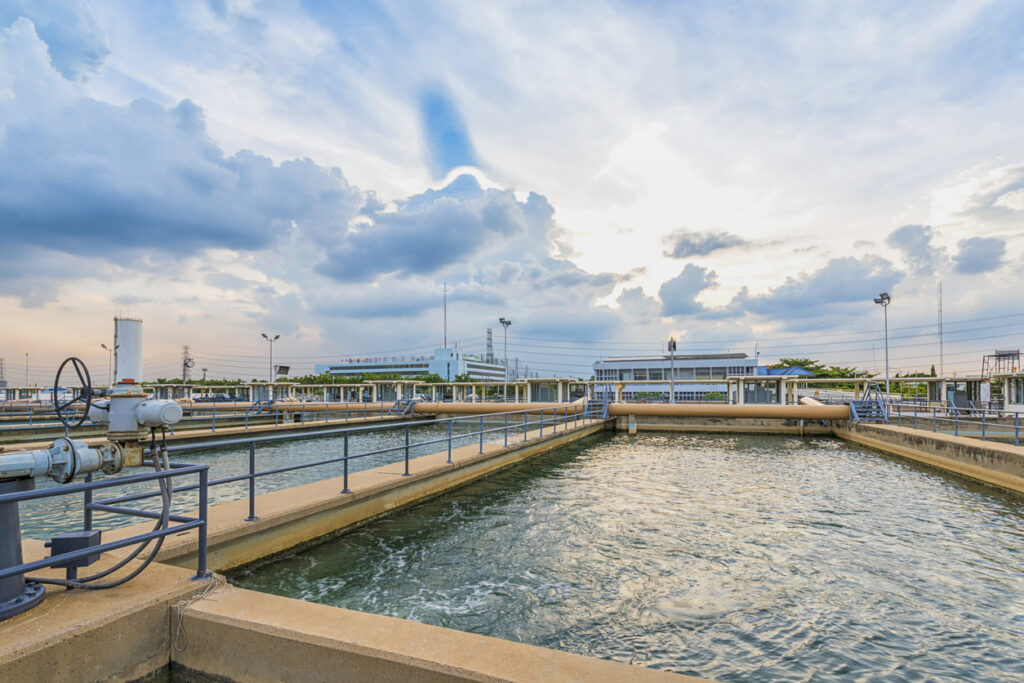
Quick Answer: Ozone municipal water treatment uses ozone gas (O₃), generated on-site, to disinfect and purify drinking water for a community water system. Small municipalities, rural and remote communities, and First Nations water systems are switching to ozone because it inactivates chlorine-resistant pathogens like Cryptosporidium and Giardia in seconds, breaks down pharmaceuticals and other micropollutants, […]
Car Wash Water Recycling: Cut Costs & Kill Odors with Ozone

Quick Answer: Car wash water recycling is the practice of capturing, treating, and reusing wash water instead of sending it straight to the sewer. Adding ozone to a reclaim system oxidizes the oils, grime, and odor-causing bacteria that build up in stored water, allowing facilities to reuse up to 90% of their water while eliminating […]