

Stop Root Rot in Hydroponics with Ozone
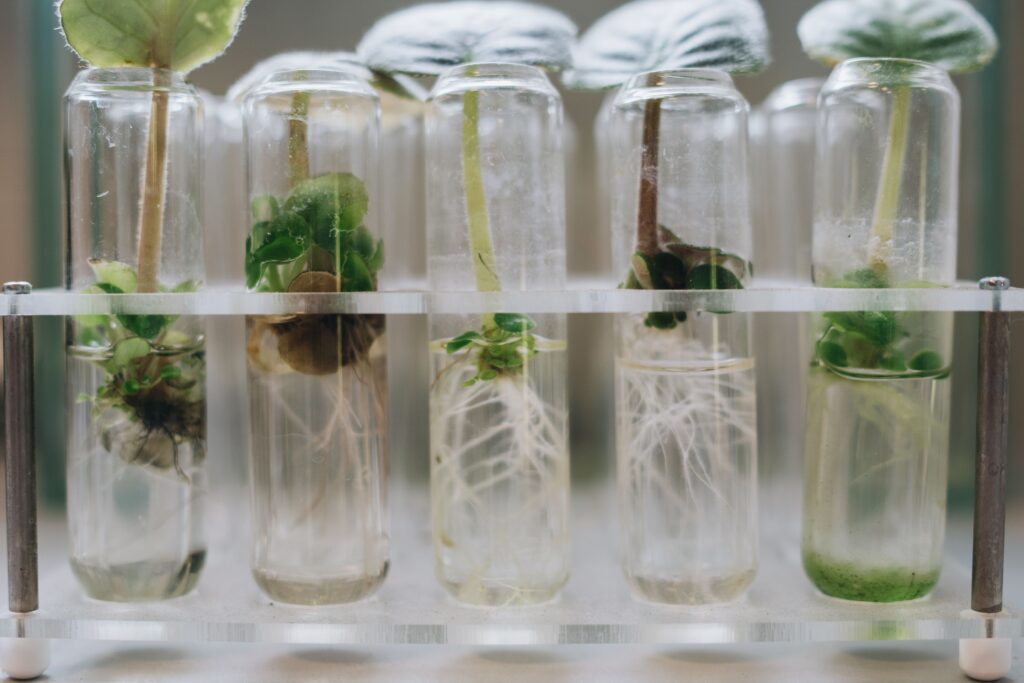
Quick Answer TL;DR Pythium is one of the most common pathogens encountered by hydroponics growers. Root rot is often caused by Pythium, a problem made worse by warm, low-oxygen nutrient solution, and in recirculating systems where the pathogen can concentrate. Fungicides and occasional hydrogen peroxide flushes treat the outbreak after it starts. Continuous ozone […]
Post-Harvest Ozone Washing: Extending Fresh Produce Shelf Life Without Chemicals
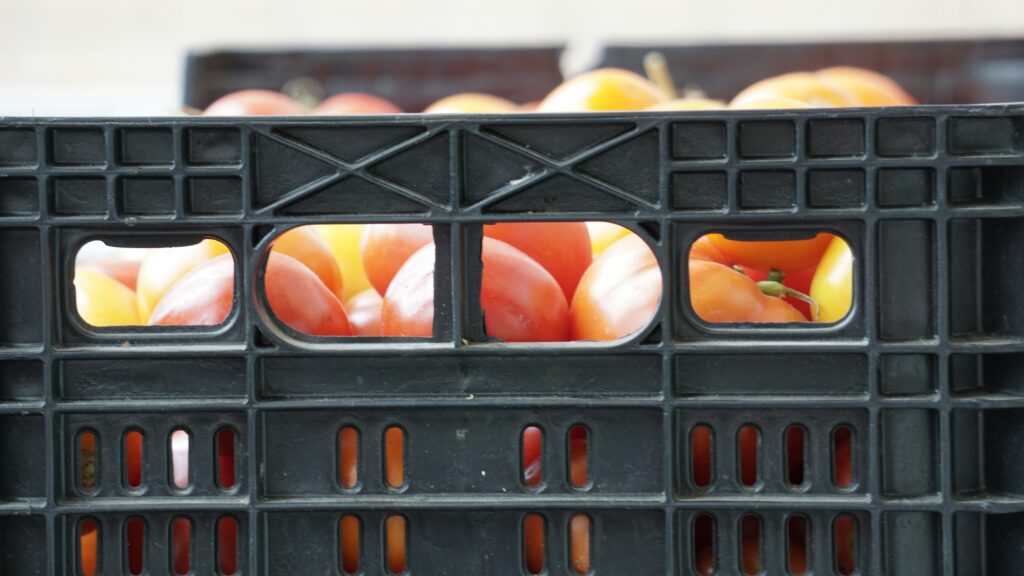
Quick Answer Most packhouses still wash produce in chlorinated water, which loses strength as organic load builds, forms disinfection byproducts, and rarely delivers more than a two log reduction. Ozone washing replaces the chemical with ozonated water generated on site from air. A published meta-analysis of produce washing found an overall reduction of about 1.65 […]
Harvest Clean-in-Place (CIP): Ozone Disinfection for Winery Equipment
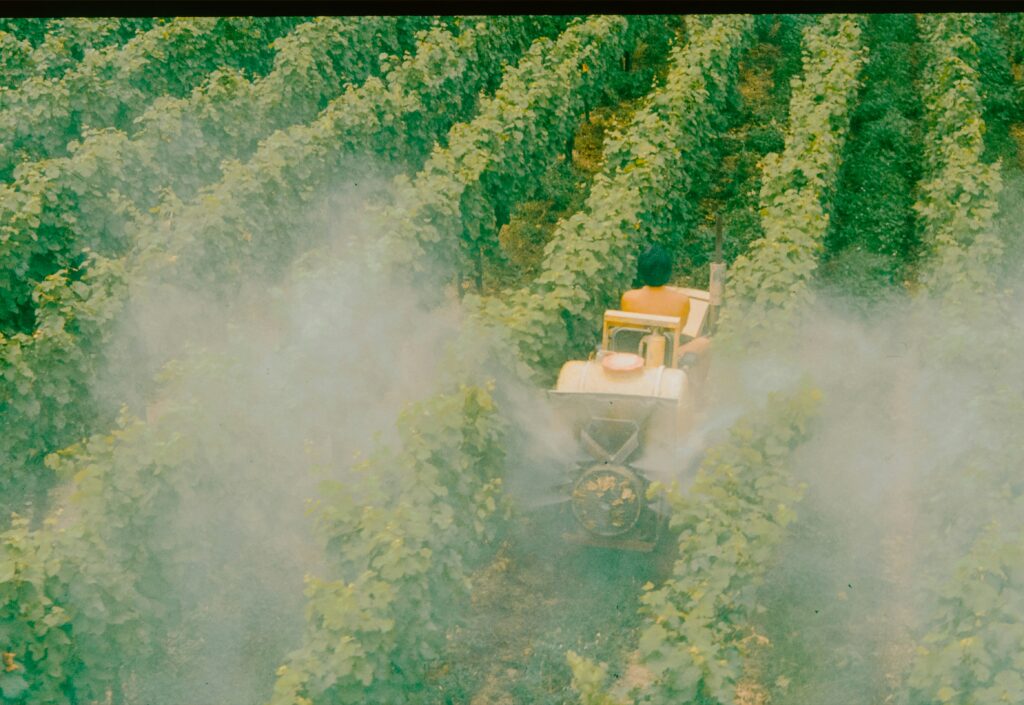
Quick Answer Most cellars still sanitize with a heated caustic and acid cycle, then a chemical sanitizer and a rinse, and during crush that sequence is simply too slow to keep up with the fruit. Ozone clean-in-place replaces the sanitizing step with cold ozonated water generated on site from air. It disinfects in seconds rather […]
Transitioning From Chemical Flushes: Moving from Hydrogen Peroxide to Automated Ozone
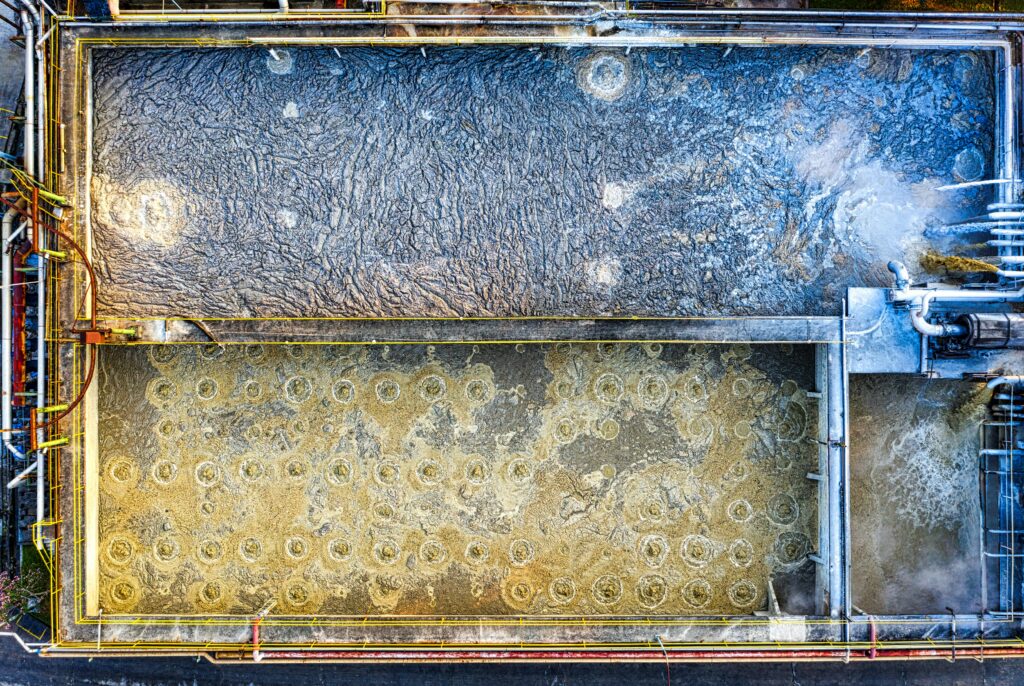
Safe Water Recycling for Commercial Greenhouses
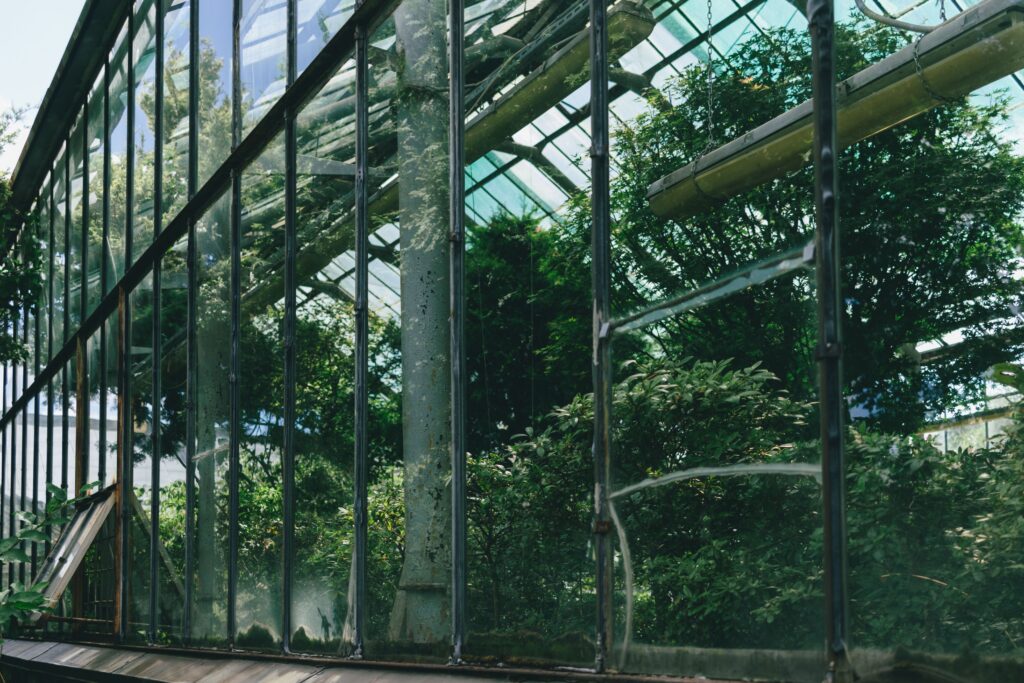
Quick Answer TL;DR Greenhouse water reuse is capturing runoff, leachate, and drain water from fertigation and putting it back into production instead of sending it to waste. Done correctly, it cuts fresh water use and fertilizer cost significantly. Done without proper treatment, it recirculates pathogens, salts, and dissolved organics a grower is trying to avoid. […]
How Ozone Nanobubbles Supercharge Root Oxygen
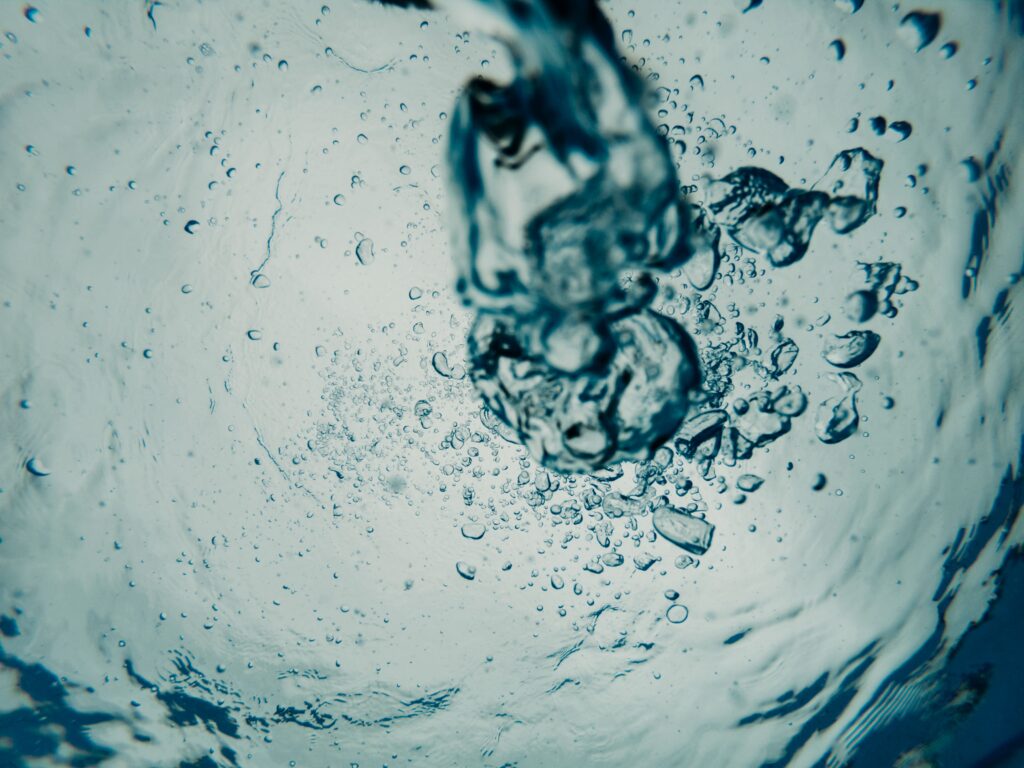
Quick Answer TL;DR Roots do not just need water, they need oxygen dissolved in that water, and standard irrigation delivers far less of it than most growers assume. Nanobubble water treatment injects gas, often ozone, as bubbles measured in nanometers rather than millimeters. Bubbles this small are neutrally buoyant and do not float, so the […]
Ditching Chlorine: Why Commercial Growers Switch
Quick Answer TL;DR Commercial growers are moving away from chlorine because the true cost is rarely just the chemical. Ozone simply provides more thorough disinfection, reducing the costs associated with disease or even failed crops. On the chemical side, storage, handling, corrosion, and compliance monitoring add up. In the ozone vs chemical water disinfection comparison, […]
Recycling Irrigation Water Safely with Ozone
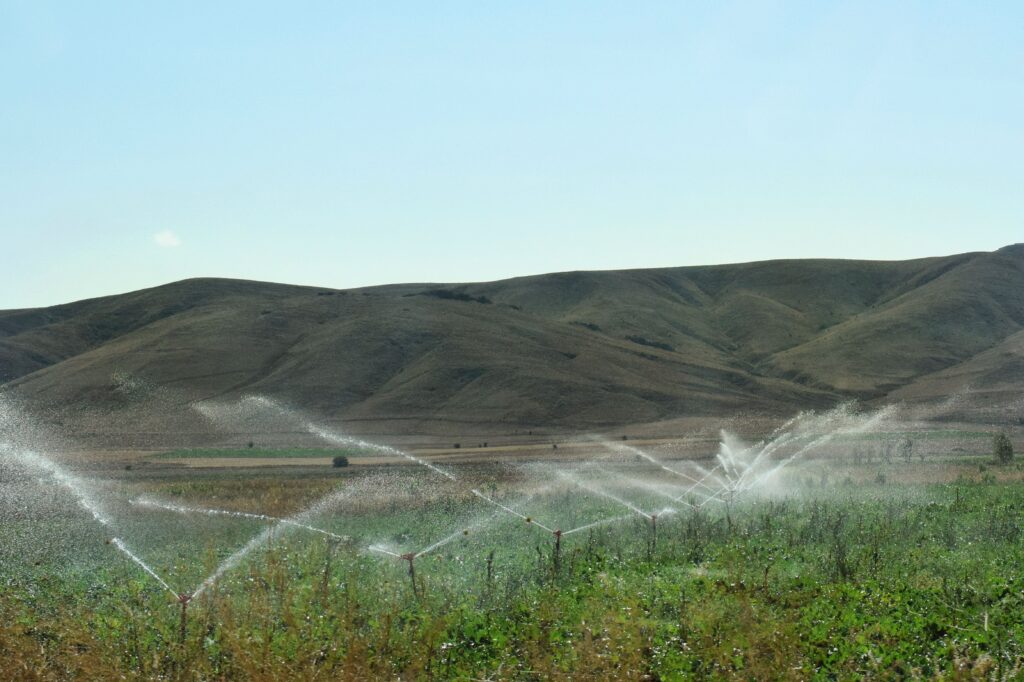
Quick Answer TL;DR Recycled irrigation water gets more contaminated with every pass through the system, picking up pathogens, biofilm, and dissolved organics that a filter alone will not remove. When operators compare ozone vs UV water sterilization for a recycling loop, ozone generally wins on breadth: it oxidizes organic load and breaks down biofilm anywhere […]
5 Signs Your Irrigation System Needs Ozone Today

Quick Answer TL;DR Recurring emitter clogs, algae in reservoirs, unexplained root disease, heavy reliance on chemical treatment, and outgrowing your current treatment capacity are the five clearest signs your irrigation water needs disinfection. All five trace back to organic buildup and pathogens that chemical treatment struggles to fully control at scale. A high volume ozone […]
Ozone vs UV for Water Disinfection: Costs, Effectiveness, and Best Use Cases
Quick Answer Ozone vs UV is a question of oxidation versus inactivation. Ozone destroys pathogens, breaks down organic contaminants, removes color and odor, and leaves no chemical residue. UV inactivates bacteria, viruses, and parasites at low energy cost but does nothing for chemistry, taste, smell, or biofilm. Ozone fits food, beverage, agricultural, aquaculture, and industrial […]