

How Ozone Water Treatment Actually Works

Quick Answer TL;DR Ozone water treatment is a chemical-free disinfection process that uses ozone gas (O3) to destroy pathogens, oxidize contaminants, and clean water at the source. Ozone is generated on-site from oxygen, injected into the water stream, and breaks down into pure oxygen within minutes, leaving no residue. It outperforms chlorine, UV, and chlorine […]
The Role of Water Quality in Brewing Better Beer

Quick Answer: Brewing water quality is the single biggest variable in beer flavor because beer is up to 90% water. The six ions that matter most are calcium, magnesium, sodium, bicarbonate, sulfate, and chloride, and contaminants like chlorine, chloramine, iron, manganese, and biofilm-forming bacteria ruin batches at parts-per-billion levels. Modern breweries combine reverse osmosis, carbon […]
Water Bottling: How Ozone Meets FDA and EPA Standards
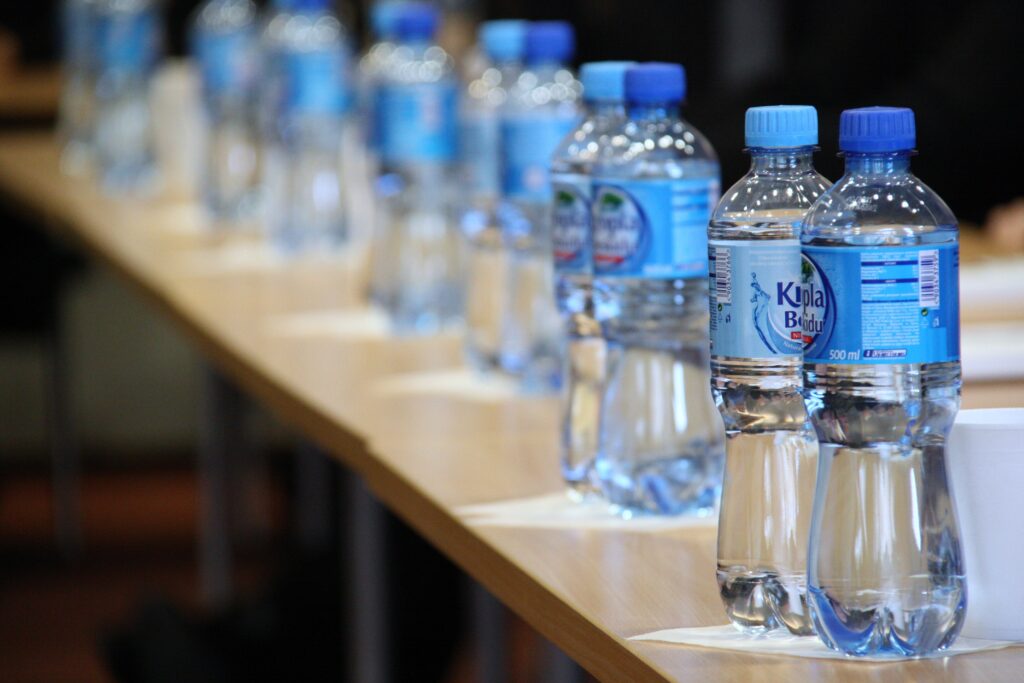
Quick Answer: Ozone has held FDA Generally Recognized as Safe (GRAS) status for bottled water and bottling equipment since 1982, and is regulated under 21 CFR Part 129 and Part 165. FDA rules allow ozone dosing at a minimum of 0.1 mg/L for at least 5 minutes to sanitize containers, with a maximum residual of […]
The Real Cost of Poor Water Quality in Car Wash Operations

Quick Answer: Poor car wash water quality drains money through four channels: higher chemical costs from biological and organic contamination interfering with detergents, equipment damage from biofilm clogging pumps and nozzles, lost customers from water spots and odor caused by degraded reclaim water, and rising water, sewer, and compliance costs. Facilities running untreated water often […]
Signs Your Farm or Facility Has a Water Quality Problem
Quick Answer: Warning signs of a water quality problem include cloudy or discolored water, foul rotten-egg or musty odors, visible algae or biofilm, reduced livestock water intake, unexplained weight loss, clogged irrigation equipment, and staining or scale buildup on fixtures. These signs often show up as unrelated issues at first, like lower milk production or […]
How Clean Irrigation Water Drives Healthier Greenhouse Crops

Quick Answer: Clean irrigation water is the single biggest factor in greenhouse crop health. Untreated water carries pathogens like Pythium, Fusarium, and Phytophthora that spread through irrigation lines and can wipe out entire crops in days. Greenhouse water treatment disinfects incoming water, recirculated nutrient solutions, and runoff before pathogens reach the root zone. Ozone-based greenhouse […]
How Can You Disinfect Water Without Chemicals?
Quick Answer: You can disinfect water without chemicals using four proven methods: ozone (O3), ultraviolet (UV) light, mechanical filtration, and heat or boiling. Each method destroys or removes pathogens without adding chlorine, chloramine, or other chemical disinfectants. Ozone is the most effective of the four because it has the highest oxidation potential (2.07 V), kills […]
Is Ozonated Water Safe to Drink?

Quick Answer: Yes, ozonated water is safe to drink. The U.S. Food and Drug Administration approved ozone for direct food contact in 2001 under 21 CFR 173.368, and it is used in major bottled water brands, municipal drinking water systems, and food production worldwide. Dissolved ozone has a half-life of 20 to 30 minutes and […]
How Does Ozone Water Purification Work?
Quick Answer: Ozone water purification works by generating ozone (O3) on site from ambient oxygen, dissolving it into water through an injector, and letting it oxidize pathogens and contaminants inside a contact chamber before decomposing back into oxygen. The process runs in five stages: air supply, ozone generation, dissolution, contact time, and off-gas destruction. Ozone […]
How Effective Is Ozone Sterilization vs Traditional Disinfectants?

Quick Answer: Ozone sterilization is substantially more effective than traditional disinfectants like chlorine, chloramine, chlorine dioxide, and UV across nearly every measurable metric. Ozone has an oxidation potential of 2.07 volts compared to 1.36V for chlorine and 1.57V for chlorine dioxide, and it destroys pathogens up to 3,000 times faster than free chlorine. Ozone is […]