Purifico

Resources

Disinfection Guidelines

Managers are cautious about using ozone in aquaculture due to its toxicity and the risk of accidental overdoses, which can harm fish even at low residual levels (0.01-0.1 mg/L). When introducing ozone, its residual effects on biofilters and fish must be carefully considered. Ozone’s high reactivity allows it to be quickly removed at specific points in the water treatment process, enabling the separation of livestock in culture tanks from ozone present in water treatment systems.
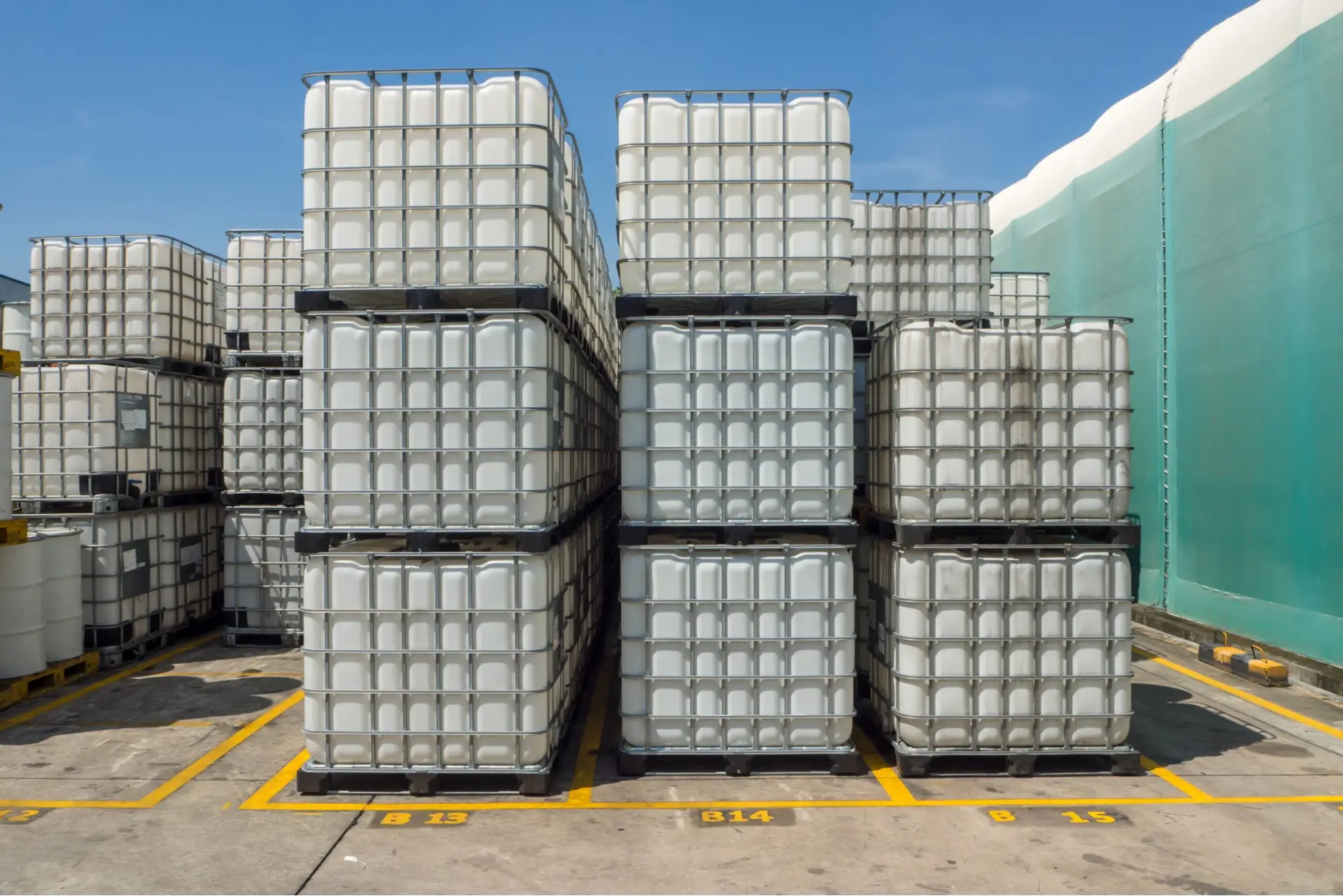
Tanks of Chlorine Dioxide
A diverse community of microbes coexisting, showcasing the intricate web of life at the microscopic level and highlighting the importance of biodiversity in ecosystems.

Frequency

Ozone can be applied continuously, as a series of treatments, or as a single batch treatment per day. The best application strategy will depend on the feeding strategy and whether ozone is applied directly to livestock or not.

Dissolved Organic Content and other waste typically reaches a maximum concentration 3-4 hours after feeding, making this an ideal time for ozone treatment. Continuous ozone treatment is recommended when feed is provided 24/7 since water quality is constantly impacted.


Duration and Concentration

The optimal duration and concentration of water treatment depends on several variables.

Life Cycle

Livestock Species

Freshwater
vs Seawater

Direct vs Indirect Water Treatment

Comparing Disinfectants

Bacterial Pathogens (99% Inactivation)
Viral Pathogens (99% Inactivation)
Fungal Pathogens (99% Inactivation)
Parasitic Pathogens (99% Inactivation)

References

  1. Dixon, B., & Brunson, M. (2002). Use of ozone in aquaculture. North Central Regional Aquaculture Center.

  2. Wagner, E. J., & Arndt, R. E. (1999). Bactericidal effect of ozone in aquaculture systems. The Progressive Fish – Culturist, 61( 3), 249 – 255.

  3. Summerfelt, S. T., & Hochheimer, J. N. (1997). Review of ozone processes and applications as an oxidizing agent in aquaculture. The Progressive Fish – Culturist, 59(2), 94 – 105.

  4. Wedemeyer, G. A., & Nelson, N. C. (1977). Survival of the fish patho gen, Aeromonas salmonicida, in ozone – treated water. Journal of the Fisheries Research Board of Canada, 34(6), 886 – 890.

  5. Bullock, G. L., & Stuckey, H. M. (1977). Ultraviolet treatment of water for destruction of five gram – negative bacteria pathogenic to fish. Journal of the Fisheries Research Board of Canada, 34(7), 1244 – 1249.

  6. Schuur, A. M., & Nordheim, H. (2005). Effect of ultraviolet irradiation on Saprolegnia parasitica. Aquaculture, 15(3), 189 – 197.

  7. Noga, E. J. (2010). Fish Disease: Diagnosis and Treatment. Wiley – Blackwell.

  8. Gratzek, J. B., & Groves, A. K. (1979). Effects of ultraviolet light on Cryptobia salmositica. Journal of the Fisheries Research Board of Canada, 36(5), 522 – 524.

  9. Palis, K. P., & Golla, J. P. (1996). Comparative study on the inac tivation of Ichthyophthirius multifiliis using different disinfectants. Journal of Aquatic Animal Health, 8(4), 304 – 308.

Direct Application to Livestock

Defined as exposing residual ozone and ozone-produced oxidants to animals.

Direct Application to Livestock

Defined as exposing residual ozone and ozone-produced oxidants to animals.

How Ozone Purifies Water

scientist holding a vial of water for quality assurance

Many fish are sensitive to non-biodegradable organics that accumulate and affect colour, taste and odour of water.

scientist holding a vial of water for quality assurance

How Ozone Purifies Water

Many fish are sensitive to non-biodegradable organics that accumulate and affect colour, taste and odour of water.

Nitrification

Nitrite is toxic to fish and builds up rapidly in recirculating aquaculture systems. Nitrification beds are the primary method used to remove nitrogen in conventional aquaculture, but their performance fluctuates according to environmental conditions.

Nitrification

Nitrite is toxic to fish and builds up rapidly in recirculating aquaculture systems. Nitrification beds are the primary method used to remove nitrogen in conventional aquaculture, but their performance fluctuates according to environmental conditions.

Water Quality Considerations

Bromide (Br⁻) is a naturally occurring negatively charged ion found in marine and other water sources. It can form brominated by-products, such as bromate and brominated organic compounds, when reacting with oxidants like chlorine or ozone.

Water Quality Considerations

Bromide (Br⁻) is a naturally occurring negatively charged ion found in marine and other water sources. It can form brominated by-products, such as bromate and brominated organic compounds, when reacting with oxidants like chlorine or ozone.