Oil & Gas

Ozone in Oil and Gas Water Treatment

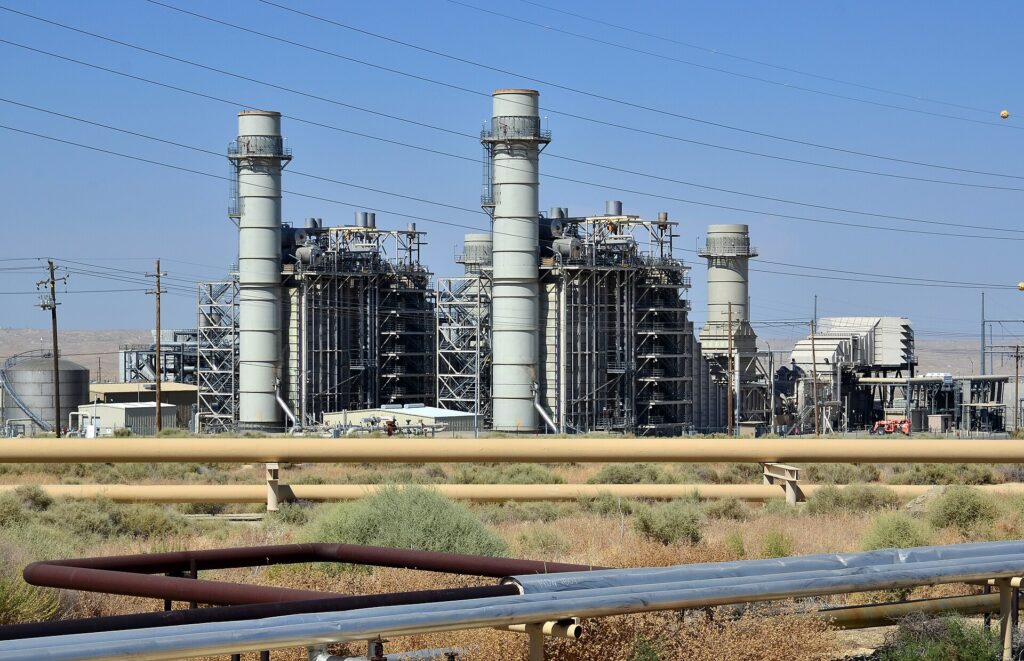
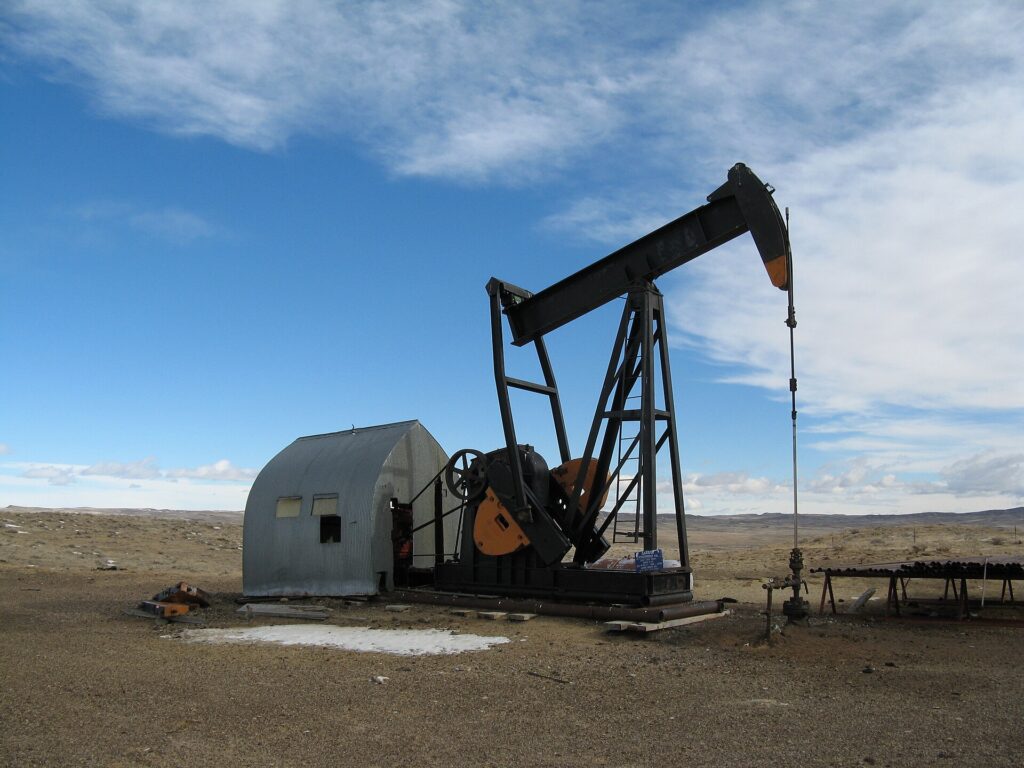
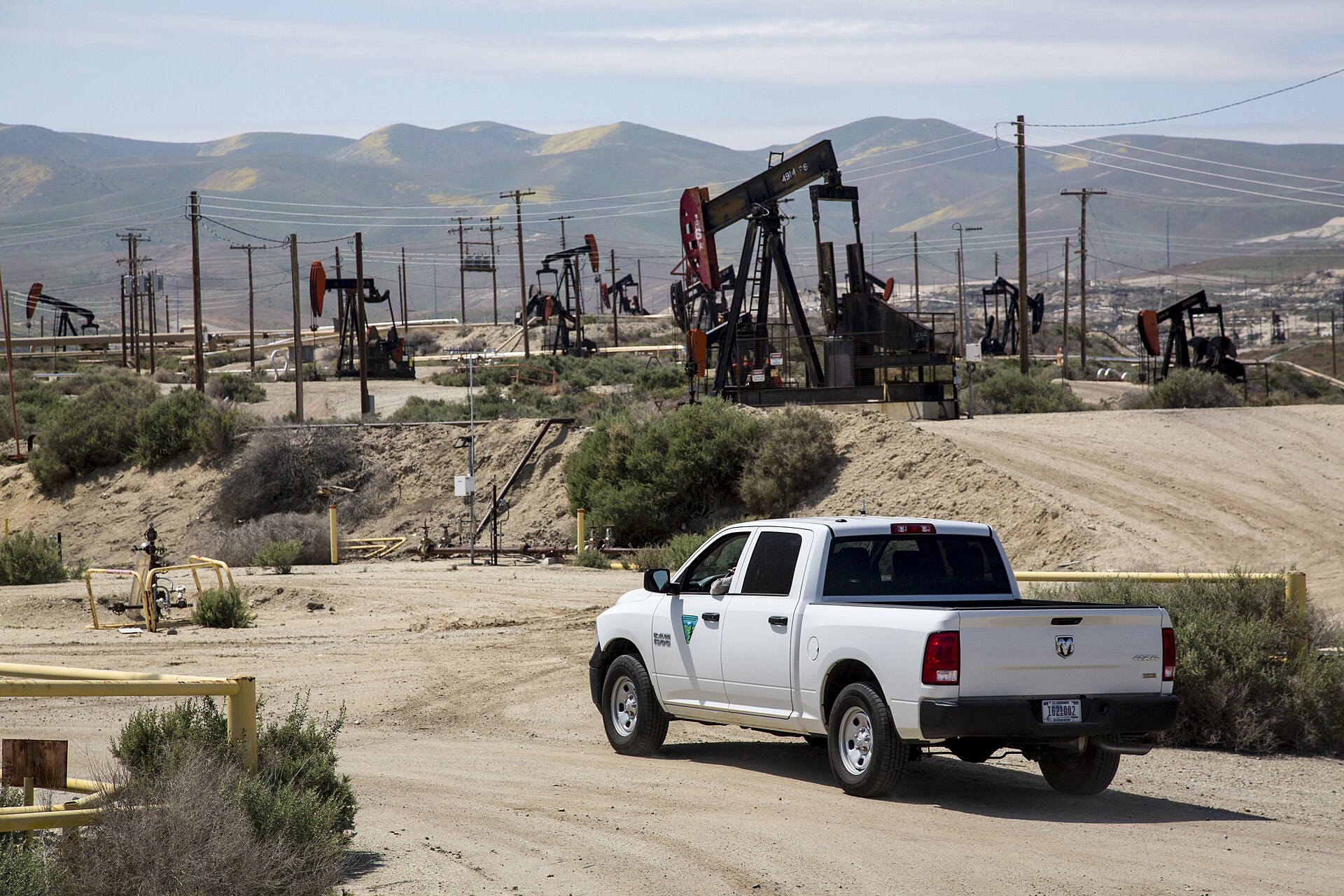
Every barrel of oil brings several barrels of water to the surface, making produced water the largest byproduct stream in oil and gas. That water carries dissolved hydrocarbons, iron, hydrogen sulfide, scale-forming minerals, and the bacteria that drive souring and corrosion. Ozone oxidizes these contaminants on contact, giving operators a chemical-free way to recycle produced water and frac flowback for reuse instead of trucking it to disposal.

Trade show Visit us at Booth 1103 October 7 and 8, 2026 · Niagara Falls Convention Centre
Book a Meeting
99.99%
SRB & APB Kill, Corrosion and Souring Bacteria
2-in-1
H₂S & Iron Oxidized in the Same Step
0
Biocides or Scavengers Trucked to Site
Minutes
To Decay, No Residual to Attack Friction Reducer
The Process

How Ozone Works for Oil and Gas Water Treatment

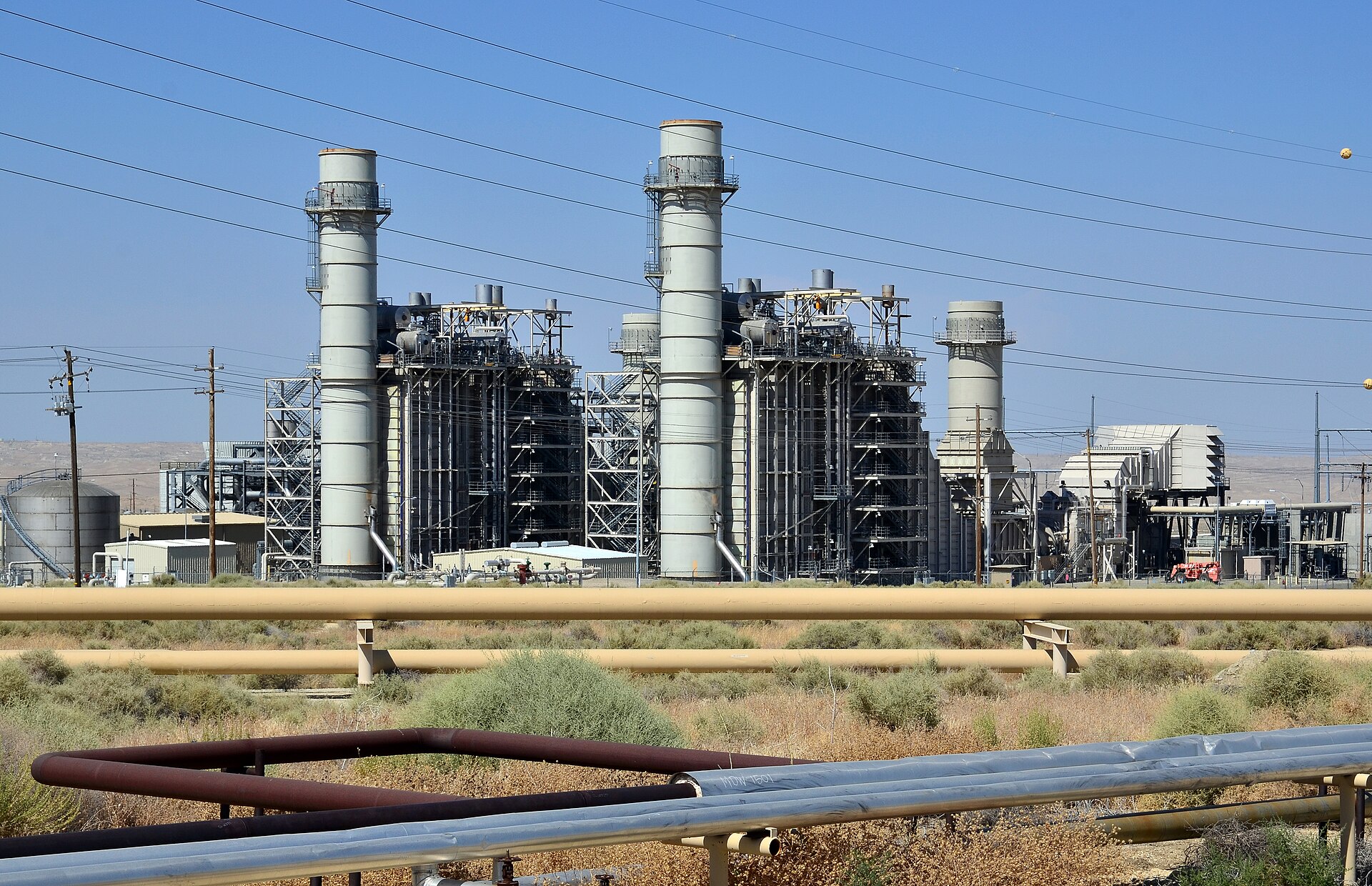
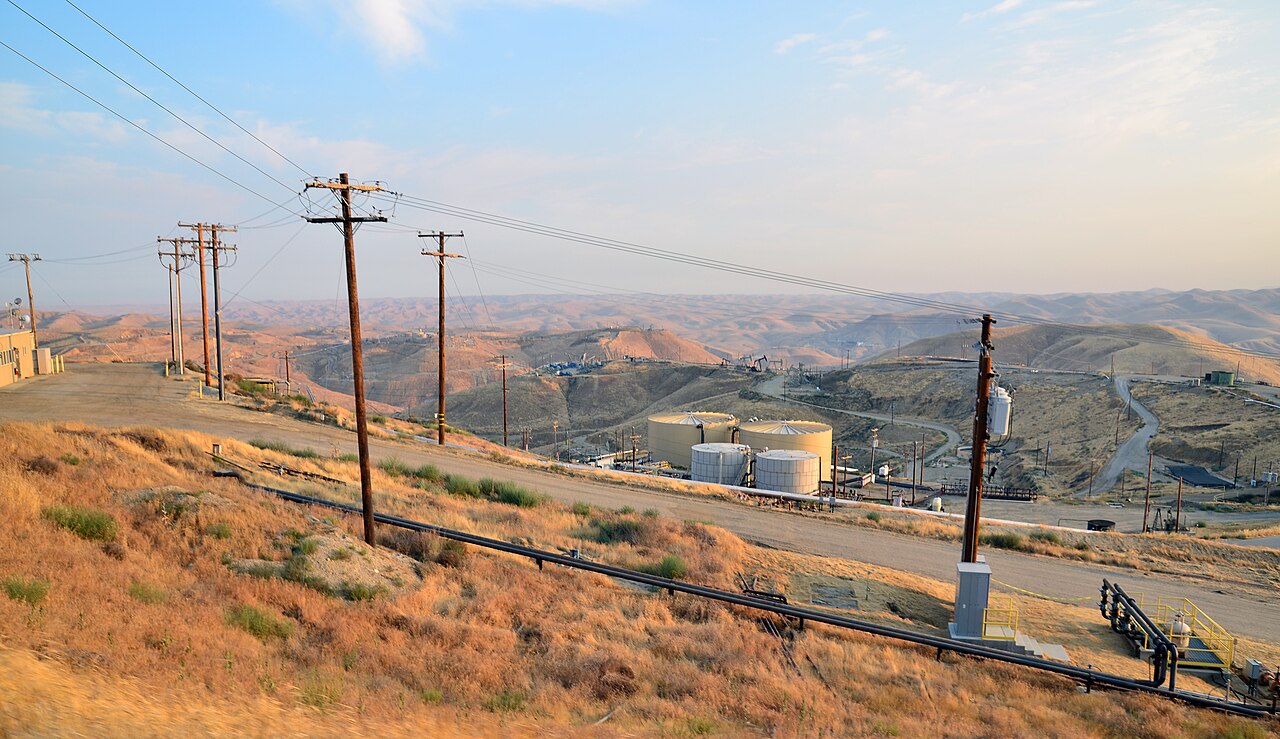
Produced water intake at an oil and gas site
Step 1
Produced Water Intake
Produced water or frac flowback enters the ozone contacting system after oil separation and primary treatment
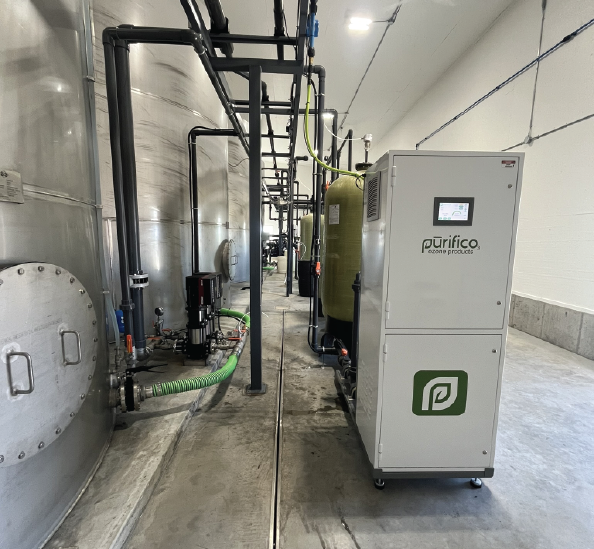
Purifico on-site ozone generation system
Step 2
Ozone Generation
Ozone is generated on-site from oxygen or dry air and dissolved into the water stream
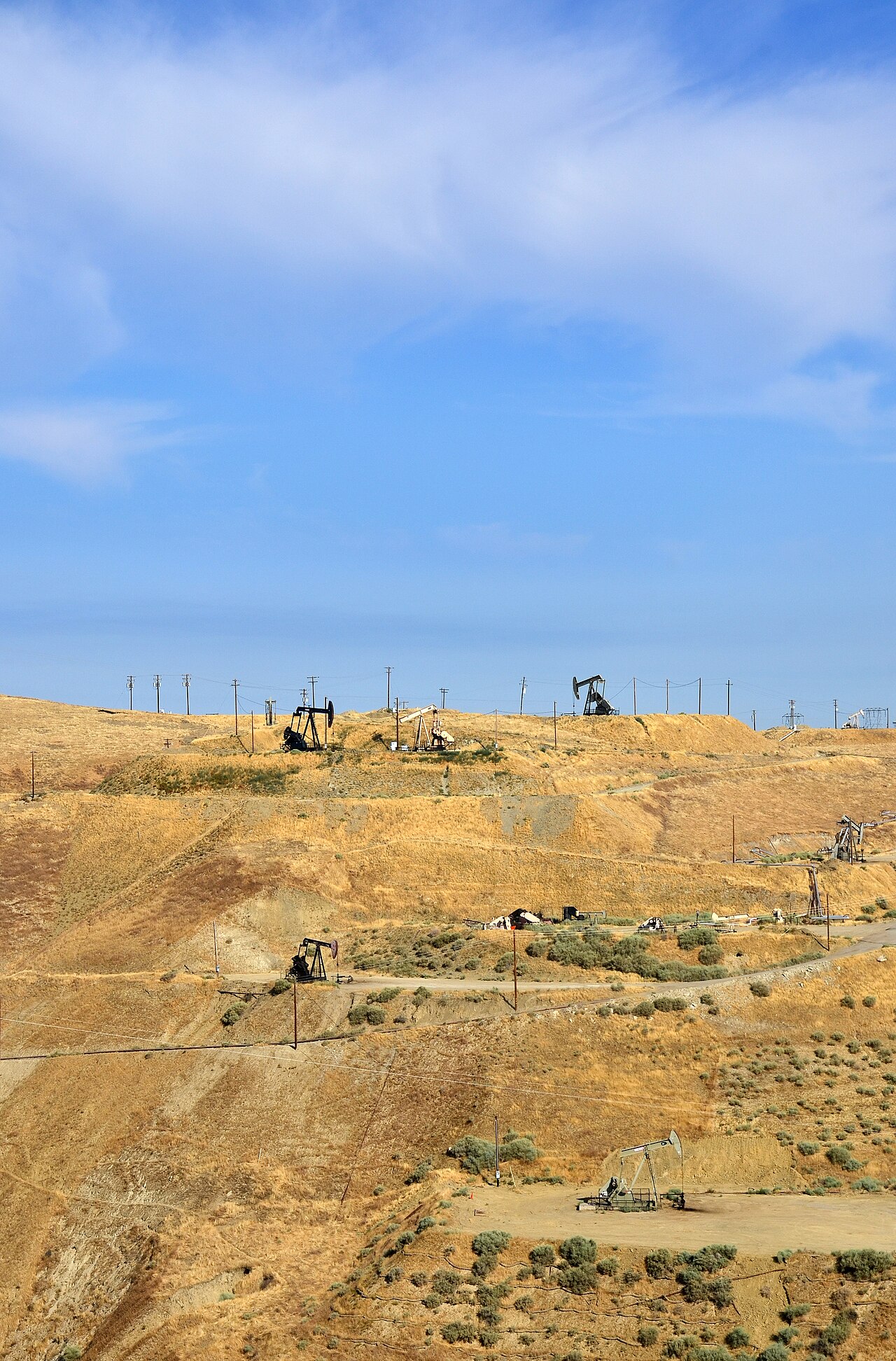
Advanced oxidation breaking down dissolved hydrocarbons
Step 3
Advanced Oxidation
Ozone and hydroxyl radicals break down dissolved hydrocarbons, organics, and bacteria, including persistent contaminants that other technologies cannot remove
Ozone disinfection controlling sulfate-reducing bacteria
Step 4
Disinfection
Sulfate-reducing and iron bacteria are eliminated, controlling souring and biofouling
Treated water reused for fracturing and waterflooding
Step 5
Reuse or Safe Discharge
Treated water is rendered safe for discharge, or reused for fracturing, waterflooding, or reinjection with no residual chemicals
How Ozone Treats Oil and Gas Water

How Ozone Treats Oil and Gas Water

Advanced Oxidation

Ozone (O₃) treats produced water by oxidizing dissolved hydrocarbons at the molecular level, making it one of the most powerful tools available for oil and gas water treatment. As a high-potency oxidant, ozone breaks down organic compounds, inactivates bacteria, and provides effective disinfection in a single step. This dual capability, oxidation plus disinfection, outperforms conventional methods like chlorination and biocides by handling contaminants those systems leave behind.

Contaminants Ozone Removes from Produced Water

Contaminants Ozone Removes from Produced Water

Ozone removes a wide range of contaminants from produced water, including dissolved hydrocarbons, BTEX, iron, hydrogen sulfide, and bacteria that conventional treatment methods struggle to address. It can be used on its own or as the primary oxidant in an Advanced Oxidation Process (AOP) system, where ozone combines with hydrogen peroxide or UV to generate hydroxyl radicals for even greater contaminant breakdown. The result is treated water free of harmful residues and ready for reuse or compliant discharge.

Ozone for Iron, Sulfide, and Odor Control

Ozone for Iron, Sulfide, and Odor Control

Ozone removes iron, sulfide, and odor from produced water by oxidizing the dissolved metals and sulfur compounds responsible for them. Hydrogen sulfide drives corrosion, souring, and safety risk across oil and gas operations, from wellhead to disposal. Ozone oxidizes sulfide to elemental sulfur and iron to filterable oxides while neutralizing odor, producing clearer, more stable water. For operators facing corrosion and reuse challenges, ozone is often the most practical solution.

Ozone for Souring and Corrosion Control

Ozone for Souring and Corrosion Control

Ozone controls the bacteria and organics that cause souring and corrosion by oxidizing them on contact. Sulfate-reducing bacteria generate hydrogen sulfide that corrodes pipe, tanks, and downhole equipment, driving high maintenance costs. Ozone treatment eliminates these bacteria and oxidizes the organics that feed biofilm, protecting infrastructure while lowering both operational costs and chemical biocide use.

How Ozone Supports Produced Water Reuse

How Ozone Supports Produced Water Reuse

Ozone supports produced water reuse by disinfecting and clarifying water so it can be reused instead of disposed. Because ozone decomposes into oxygen and leaves no chemical residue, treated water meets reuse specifications without adding salts or biocides. Operators reduce freshwater purchases, cut disposal and trucking costs, and lower the footprint of every well.

Key Benefits of Ozone in Oil and Gas Water Treatment

Souring & Corrosion Control

Ozone destroys the sulfate-reducing and acid-producing bacteria that sour reservoirs and corrode pipe, working faster and more completely than conventional biocides.

Chemical-Free Process

Generated on-site from air or oxygen, ozone reverts to oxygen after it reacts, so no biocides or scavengers are carried into the water you reuse or dispose of.

Energy Efficiency

Compact ozone systems drop into existing produced water handling at the well pad or a central recycling facility with a low power draw.

Regulatory Compliance

Ozone helps operators hit reuse specifications and disposal limits while cutting the chemical handling and storage that attract regulatory scrutiny.

Applications in Various Sectors

Ozone for Produced Water Treatment

Ozone is highly effective for produced water treatment, giving operators a path to clean flowback and produced water for reuse or compliant disposal. It oxidizes dissolved hydrocarbons, iron, and hydrogen sulfide while eliminating the bacteria that cause souring and corrosion. For operators moving away from chlorine or biocides, ozone typically reduces chemical handling costs and eliminates the disinfection byproducts associated with chemical treatment.

Ozone for Produced Water Treatment

Ozone in Frac and Flowback Water Treatment

Ozone is used in frac and flowback water treatment to handle the complex, high-salinity streams returned during hydraulic fracturing. This water carries dissolved organics, iron, scale-forming ions, and heavy bacterial loads that conventional treatment cannot fully address. Ozone oxidizes these contaminants directly, reducing treatment stages, lowering overall costs, and enabling water reuse where regulations allow.

Ozone in Frac and Flowback Water Treatment

Partner with Purifico Ozone

Purifico Ozone is committed to providing cutting-edge ozone treatment solutions tailored to the specific needs of the oil and gas industry. Our expertise in ozone technology ensures that you receive a system designed for maximum efficiency and reliability. Contact Purifico Ozone today to learn more about our innovative solutions and how we can help you meet your produced water treatment goals.

Partner with Purifico Ozone
Side by Side

Ozone vs. Traditional Oil and Gas Water Treatment Methods

FeatureOzone (Purifico)Chemical BiocidesUVChlorine Dioxide
Bacteria Kill Rate99.9%99%99.9%99%
Hydrocarbon / Organics RemovalExcellentPoorModerateLimited
Disinfection ByproductsNoneTHMs, HAAsNoneSome
Residual in Treated WaterNoneChemical residualNoneLow
Iron & Sulfide RemovalExcellentModerateNoneSome
Effective Against SRBYesModerateYesLimited
Regulatory Compliance RiskLowHigh (byproduct limits)LowMedium
Chemical Handling RequiredNone, generated on-siteBiocide storage and handlingNoneChemical procurement

Proven Performance

Results That Speak for Themselves

Ozone-based oil and gas water treatment delivers measurable, verifiable outcomes across every key performance metric.

100%
Of produced water is recyclable for reuse
3-5x
Barrels of water produced per barrel of oil
↓60%
Reduction in disposal and trucking costs
0
Harmful chemical residuals left in treated water
Treatment Efficacy vs. Common Contaminants (%)
Ozone
98%
UV
75%
Chlorine Dioxide
67%
Biocides
58%
Find Your Fit

Recommended Systems for Oil and Gas Water Treatment

System selection is driven by daily water volume, reuse or disposal targets, and whether the application is bacteria control or full advanced oxidation.
SystemCapacityBest ForKey Features
Most PopularSC Series Small Flow Small well sites, tank batteries, pilot and field trials On-board compressor, high ozone output, modular expansion View SC Series →
S Series Medium Flow Produced water recycling, flowback treatment, saltwater disposal facilities Compact footprint, low power draw, easy integration View S Series →
HV Series High Volume Central water hubs, high-volume frac water recycling, large disposal facilities Continuous duty, management cabinet, remote monitoring and control View HV Series →
Not sure which system fits your flow and compliance requirements? Request a free consultation - our team will size the right system for your facility.
FAQ

Frequently Asked Questions

Common questions from operators, midstream teams, and water managers evaluating ozone for oil and gas water.
Why choose ozone over biocides for oil and gas water? +
Ozone is approximately 3,000 times more effective than chlorine as a disinfectant and acts 25 times faster. Unlike chemical biocides, ozone does not leave residual chemicals or add to the salinity of produced water, and it decomposes back into oxygen within minutes. Ozone also oxidizes iron, hydrogen sulfide, and dissolved organics that biocides cannot address.
Can ozone remove hydrocarbons and organics from produced water? +
Yes, this is one of ozone's most significant advantages over other disinfection technologies. Through direct ozonation and the generation of hydroxyl radicals (advanced oxidation), ozone breaks down dissolved hydrocarbons, BTEX, soluble organics, and other contaminants that pass through conventional treatment largely intact.
Does ozone leave harmful residuals in treated water? +
No. Ozone naturally reverts to oxygen, leaving no chemical residual in treated water. This is a significant advantage over chlorination, which leaves residual chemicals that complicate reuse and disposal. Ozone-treated water can be discharged directly or reused without additional chemical neutralization.
At what stage in the treatment process is ozone applied? +
Ozone is typically applied after primary oil-water separation and solids removal have reduced free hydrocarbons and suspended solids. It oxidizes dissolved iron, hydrogen sulfide, and organics and kills bacteria before the water is stored, reused for fracturing, or sent to a disposal well. In recycling operations, ozone is often dosed continuously to keep bacteria counts low and prevent biofouling in pits and pipelines.
How is ozone generated for oil and gas water applications? +
Ozone is generated on-site from oxygen or dry air using corona discharge generators. On-site generation eliminates the need to store or transport hazardous chemicals, which simplifies regulatory compliance and reduces safety risk. Purifico systems include integrated generation, dissolution, and monitoring in a single packaged unit.
Can ozone systems handle variable flow rates at a water facility? +
Yes. Purifico systems are designed to modulate ozone output in response to flow rate and water quality changes. Automated controls maintain target CT values (concentration x contact time) across changing water quality and flow, keeping bacteria control steady as production and flowback rates swing.
What are the typical energy requirements for ozone oil and gas water treatment? +
Energy consumption depends on ozone output and feed gas type. Oxygen-fed systems are approximately 40% more efficient than air-fed systems. Modern corona discharge generators produce ozone at 6–12 kWh per kilogram of ozone. While energy cost is higher than UV on a per-treatment basis, the elimination of chemical procurement, biocide dosing, and byproduct management typically results in a lower total cost of operation over the system lifetime.


Contact Us

Ready to transform your produced water treatment with advanced ozone technology? Contact our team today to learn more about our solutions and how we can help you reuse more water and cut disposal and trucking costs.