
Is Ozonated Water Safe to Drink?

Quick Answer: Yes, ozonated water is safe to drink. The U.S. Food and Drug Administration approved ozone for direct food contact in 2001 under 21 CFR 173.368, and it is used in major bottled water brands, municipal drinking water systems, and food production worldwide. Dissolved ozone has a half-life of 20 to 30 minutes and […]
How Effective Is Ozone Sterilization vs Traditional Disinfectants?

Quick Answer: Ozone sterilization is substantially more effective than traditional disinfectants like chlorine, chloramine, chlorine dioxide, and UV across nearly every measurable metric. Ozone has an oxidation potential of 2.07 volts compared to 1.36V for chlorine and 1.57V for chlorine dioxide, and it destroys pathogens up to 3,000 times faster than free chlorine. Ozone is […]
Can Ozone Eliminate Pathogens and Save Diseased Crops?

Quick Answer: Yes, ozone can eliminate pathogens and rescue diseased crops. Ozone (O₃) is a powerful oxidant that destroys bacteria, fungi, viruses, and spores by rupturing cell walls and disrupting DNA, then decomposes back into oxygen with no chemical residue on plants or in soil. Farmers apply ozone through ozonated water washes, greenhouse misting systems, […]
Can Ozone Treatment Keep Your Harvest Fresh Longer?

Quick Answer: Yes, ozone treatment keeps harvested crops fresh significantly longer. Ozone (O₃) extends shelf life through three mechanisms: it inactivates the bacteria, mold, and fungi that cause spoilage; it scavenges ethylene gas, slowing the ripening of fruits like apples, tomatoes, and bananas; and it neutralizes mold spores in storage environments where humidity drives fungal […]
Exploring the Potential of Ozone in Crop Irrigation for Healthier Harvests

In the agricultural industry, crop irrigation plays a pivotal role in determining the success of harvests. Traditional irrigation methods, however, often come with challenges such as waterborne diseases, chemical buildup, and limited recycling potential. As a powerful and eco-friendly oxidant, ozone has emerged as a promising solution for enhancing crop irrigation systems. Its unique properties […]
How Ozone Treatment Can Reverse Soil Degradation for Healthier Crops
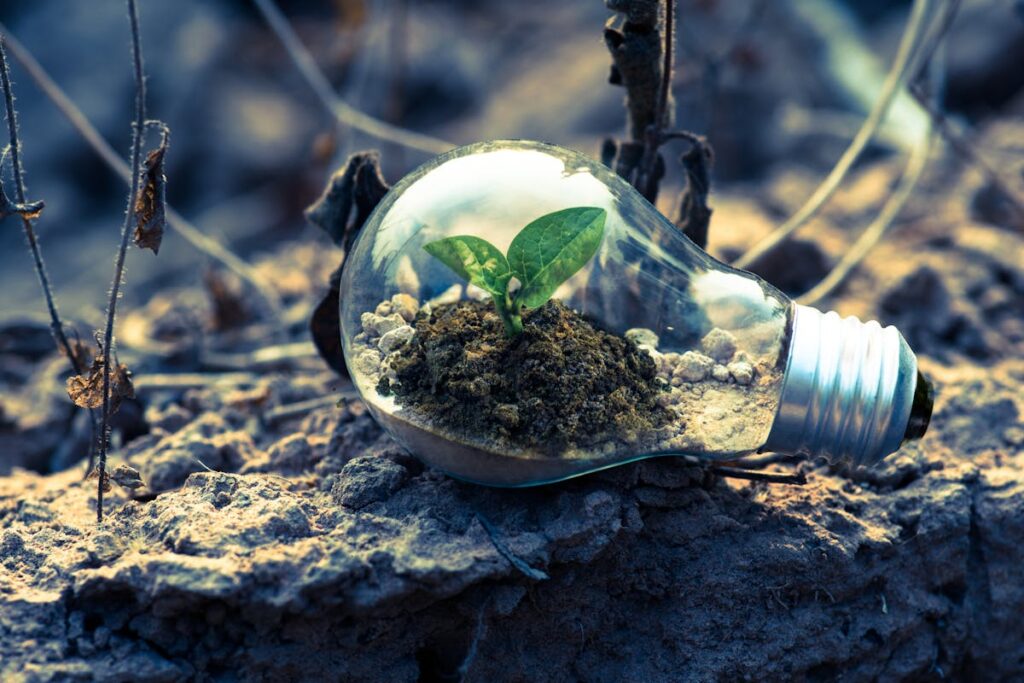
Soil degradation is a pressing issue that threatens global agricultural productivity. Intensive farming, chemical overuse, and poor water management have depleted soil fertility, leading to reduced crop yields and lasting environmental harm. As a powerful oxidant, ozone presents a promising solution to reverse these negative trends. Through ozone treatment, agricultural systems can restore soil health, […]
10 Benefits of Ozone in Commercial Water Treatment
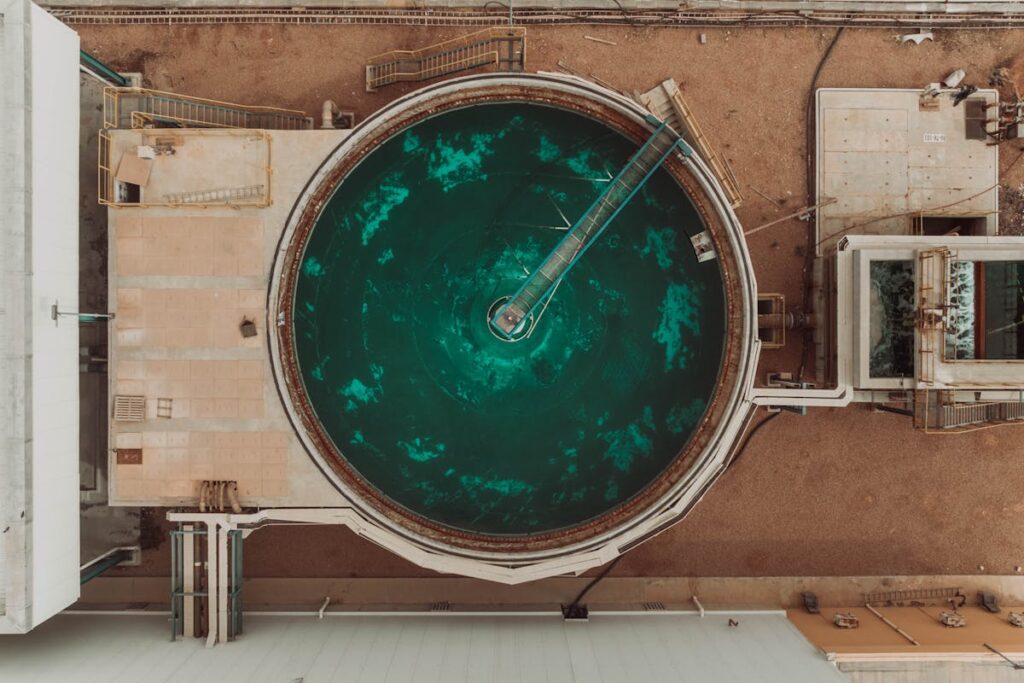
Quick Answer TL;DR Ozone commercial water treatment uses oxygen-derived ozone gas as a powerful oxidant to disinfect water across food and beverage, wastewater, car wash, aquaculture, and municipal applications. Compared to chlorine and other chemical disinfectants, ozone commercial water treatment delivers stronger pathogen kill, eliminates chemical residues, improves water clarity, and reduces operating costs. Ozone […]
Nanobubbles in Water Treatment: Revolutionizing Greenhouse and Indoor Agriculture
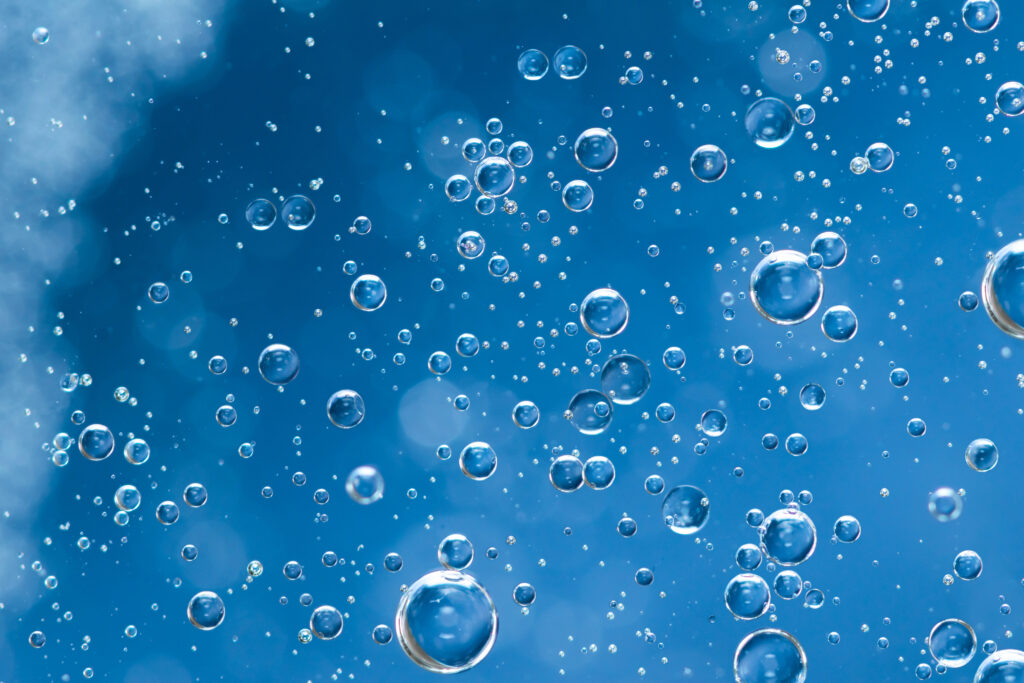
Quick Answer Nanobubbles are gas bubbles smaller than 200 nanometers that stay suspended in water for weeks instead of seconds. When charged with ozone, they deliver vastly improved water treatment compared to traditional ozonation because the smaller bubble size increases gas-to-water surface area, extends residual contact time, and disperses through Brownian motion instead of rising […]
Ozone vs. Other Disinfectants: Why Ozone is Superior
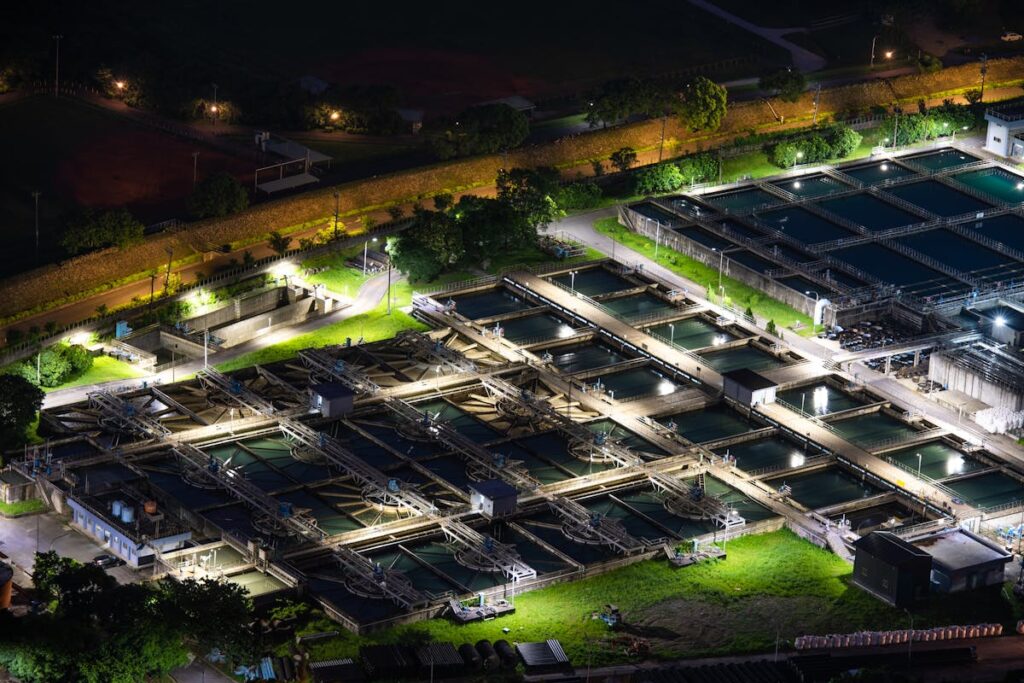
Quick Answer Ozone outperforms chlorine, chloramine, UV, and hydrogen peroxide because it combines the highest commercially viable oxidation potential (2.07 volts) with the fastest reaction rates, broadest pathogen coverage, and zero chemical residue. Ozone inactivates viruses at a CT value of 0.5 mg·min/L compared to 12.5 mg·min/L for chlorine dioxide, destroys chlorine-resistant pathogens like Cryptosporidium […]
10 Reasons Why Ozone Disinfection Reduces Chemical Usage in Water Treatment
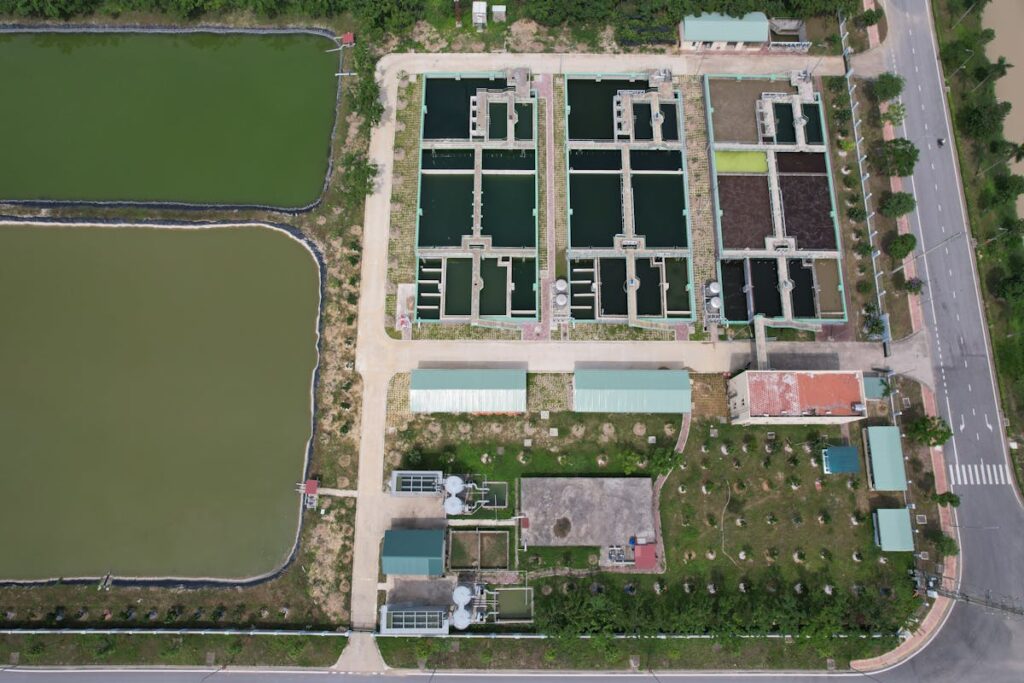
Quick Answer: Ozone disinfection reduces chemical usage in water treatment by replacing chlorine, chloramine, coagulants, permanganate, hydrogen peroxide, algaecides, and activated carbon with a single oxidant generated on-site from oxygen. Ozone (O₃) inactivates bacteria, viruses, and parasites roughly 3,000 times faster than chlorine, oxidizes iron and manganese without permanganate, breaks down organic contaminants without carbon […]