Water Treatment Solutions

Applications

Explore the versatility of ozone as one of the water treatment industry’s most effective tools, suitable for a wide range of applications requiring disinfection or decontamination. For agricultural producers, ozone is a vital tool for various aspects of production, including dugouts, reservoirs, plumbing, irrigation, surface disinfection, and beyond. Purifico services North American producers of all scales, providing innovative solutions for common and unique requirements alike. Contact us below to speak with the experts and discuss your project needs.

Quick Answer

Ozone works across most of the water an operation touches: holding tanks and reservoirs, nutrient tanks, clean water storage, recirculating systems, dugouts, and direct application to crops. The common thread is oxidation. Ozone destroys pathogens and breaks down organic matter, then reverts to oxygen, so there is no residue to build up in recycled water. Nutrient compatibility, contact time, and water chemistry decide how each application is designed.

Trade show Visit us at Booth 1103 October 7 and 8, 2026 · Niagara Falls Convention Centre
Book a Meeting

How Does Ozone Treat Tanks, Reservoirs, and Plumbing?

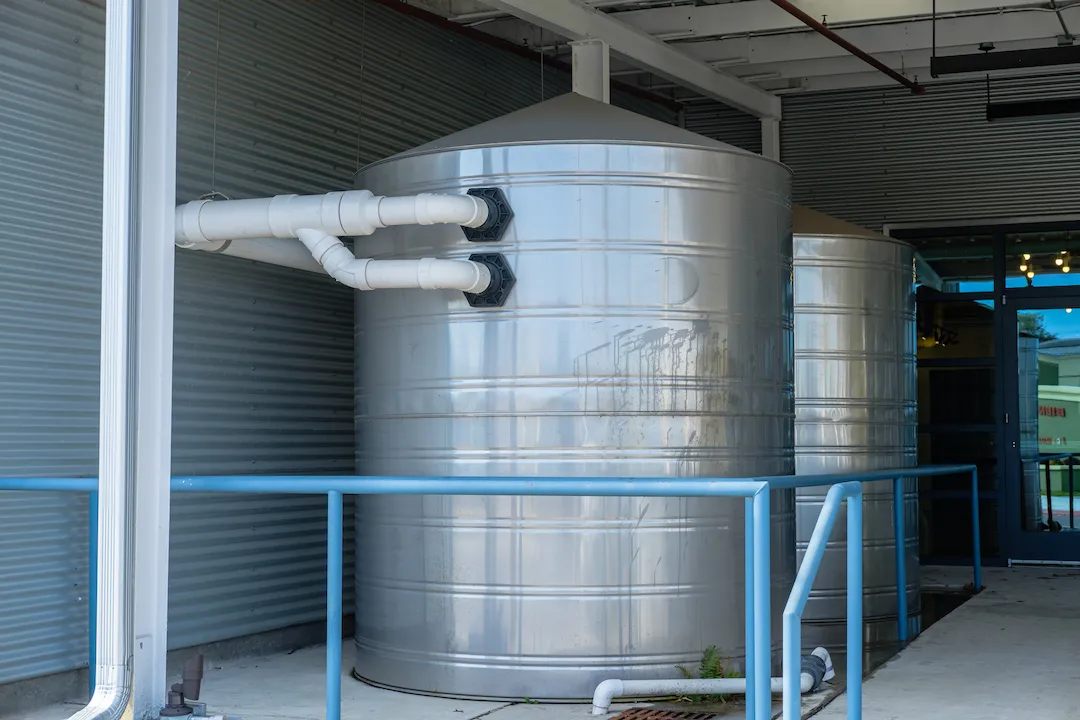
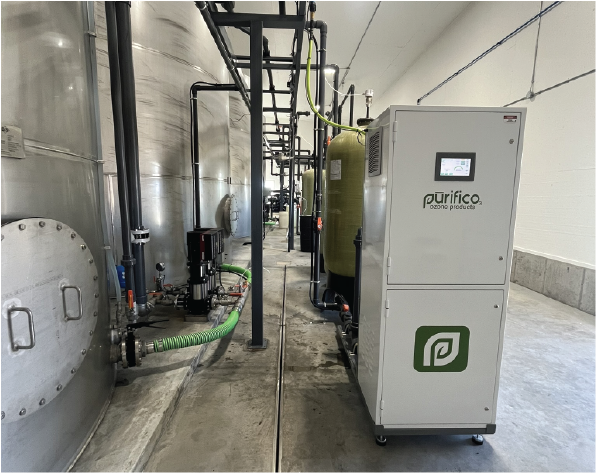
Purifico can design systems to keep reservoirs clean and pathogen-free. Reservoirs holding both clean and dirty water can become a source of pathogens that infect crops and cut into profits. We can design systems that keep clean water tanks charged with ozone at all times, with programmable dosing strategies and remote control. Our systems allow the water applied to plants to be clean, pathogen-free and oxygen-rich!

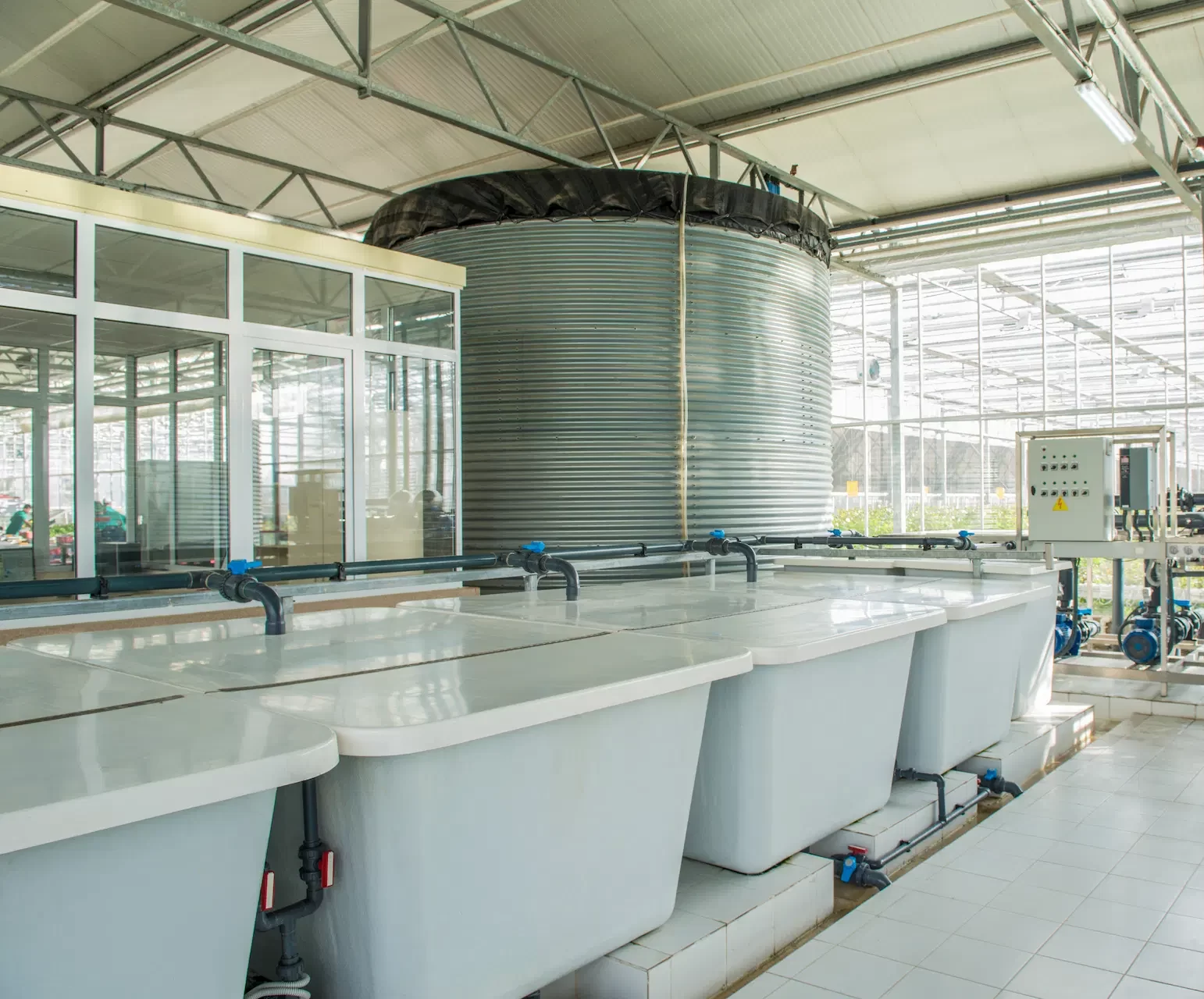
A tank containing nutrient-rich dirty water, highlighting its role in recycling essential nutrients for sustainable agriculture and ecosystem vitality.

What Does Ozone Do in Dirty Water Tanks?

Reservoirs holding wastewater are particularly susceptible to pathogen growth. Our ozone systems can be used to kill these microbes, to break down pollutants such as organic matter or pesticides, and will even help larger particulate to flocculate and fall out of solution. Interrupting the lifecycle of waterborne plant pathogens is essential for producers that are looking to recirculate their nutrients. Purifico provides the best assurance against the growth and spread of pathogens in water.

Even for operations that employe a ‘drain-to-waste’ strategy, it is a good idea to minimize microbial growth in these reservoirs to prevent contaminating equipment or adjacent areas. Plant pathogens can even grow upstream, through plumbing, valves, and membranes, to contaminate other parts of the irrigation system.

Can You Use Ozone in Nutrient Water Tanks?

Reservoirs containing nutrient-water are susceptible to pathogen growth. This water is fed directly to plants, and it is vital to ensure that it is pathogen-free. Our systems can be used on a continuous basis, or to shock tanks after cleaning or refilling. Implementation of ozone in nutrient tanks will depend on fertilizer makeup, additives, the irrigation strategy, and equipment. Our agronomic team will work to optimize nutrients and ensure that there are no unwanted effects.

Do Clean Water Tanks Still Need Treatment?

Many producers have a false sense of security when it comes to reservoirs holding fresh water. Microbes that are pathogenic to plants can find a home in these areas, even after RO filtration, and can become a source of infection for crops. Ozone is the most dependable solution to ensure that the starting point of the irrigation system is clean and pathogen-free.

water systems to keep reservoirs clean and pathogen-free.

How Does Ozone Support Recirculating Water Systems?

Purifico can design systems to keep reservoirs clean and pathogen-free. Reservoirs holding both clean and dirty water can become a source of pathogens that infect crops and cut into profits. We can design systems that keep clean water tanks charged with ozone at all times, with programmable dosing strategies and remote control. Our systems allow the water applied to plants to be clean, pathogen-free and oxygen-rich!

Benefits of recirculating

Can Ozonated Water Be Applied Directly to Plants?

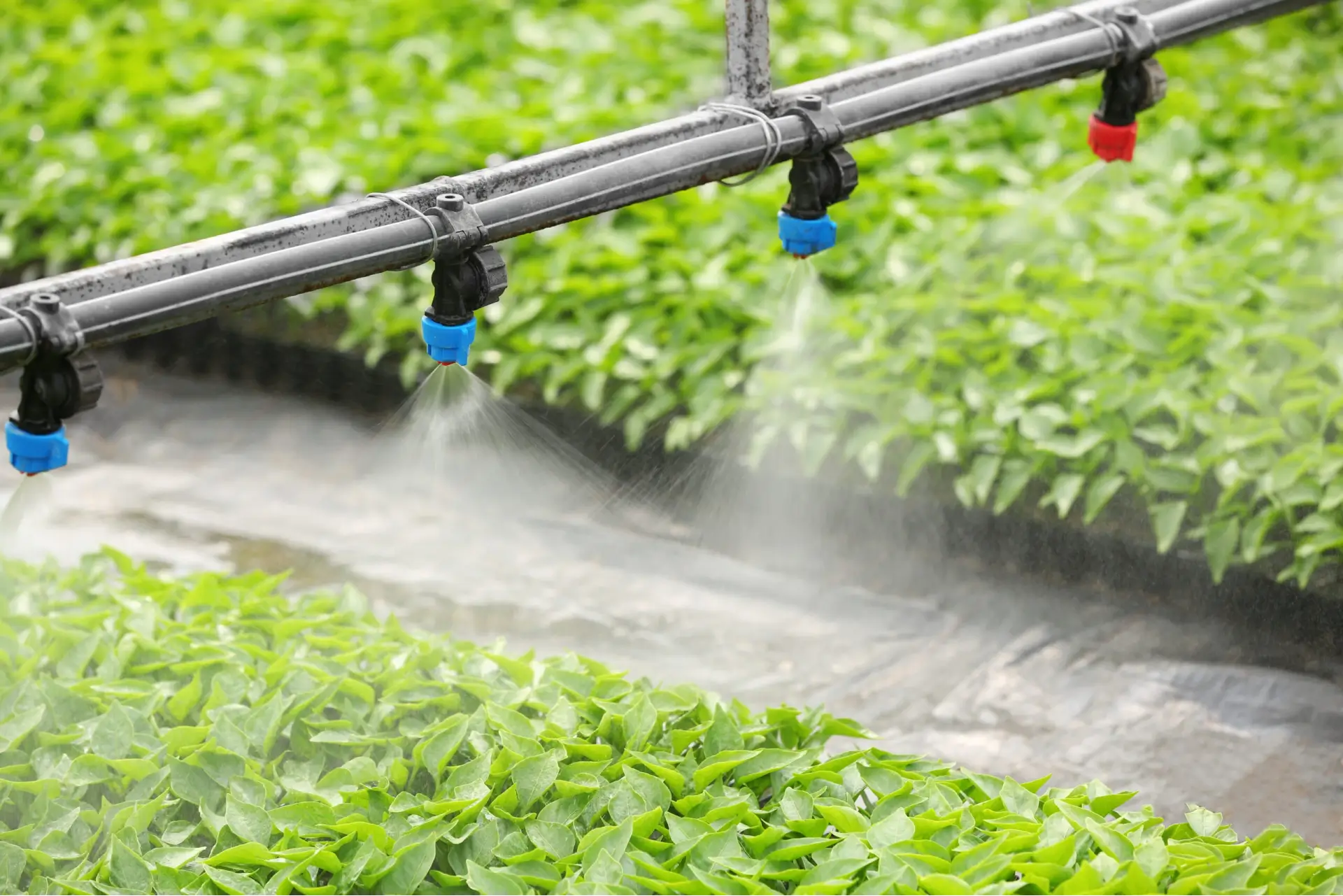
Plants are well equipped to deal with the oxidative effects of ozone and tolerate concentrations that kill other forms of life, including viruses and protozoa. Used appropriately, our clients have seen dramatic improvements in their roots and overall plant health. This approach works well in hydroponics, where sterility is a good strategy for root health. We are happy to provide agronomic support to ensure that irrigation practices and nutrients are compatible.

A hydroponic system demonstrating direct application of water and nutrients to plants' roots, showcasing efficient and controlled cultivation for optimal growth and yield.
A dugout filled with water, serving as a natural reservoir or storage for irrigation, livestock, or recreational use, reflecting harmony with the environment and resource management.

How Do You Treat Dugout Water With Ozone?

One of the main problems with dugouts is having enough aeration, and water quality is a common obstacle towards achieving this. Purifico can design dugout water treatment systems tailored to your specific water quality and needs. We can design systems to reduce the chemical and biological load present in dugout water and provide effective aeration and control of microbial growth. Contact us today to discuss your needs!

Purifico can design dugout water treatment systems tailored to your specific water quality and needs. Purifico Ozone systems reduce the chemical and biological load present in dugout water and provide effective aeration and control of microbial growth. Click below to read about a recent installation in Alberta.

Where Else Can Ozonated Water Be Used?

Ozonated water can also be used to sanitize surfaces (e.g. tables/walls/floors etc.), and tools and equipment (e.g. scissors, shears, pumps, etc.). Cut down on your general cleaning consumables by tapping into the ozone system for these applications as well, either by dual-purposing existing systems or through portable ozone carts.

An ozone disinfection system at work, showcasing its effectiveness in purifying air and water, promoting health and hygiene in various environments.

Why don't I already use it?

It’s complicated

The complexity of ozone installations deters many producers from adopting this superior option. Each facility has unique requirements, from site layout to irrigation systems and local regulations. Learning and implementing the technology can be overwhelming. Purifico offers the solution. We go beyond being an equipment manufacturer – our team assists you with irrigation design and operation. Clean water is essential for maximizing performance and profitability. Let us help you succeed by harnessing the potential of ozone without the hassle

Upfront costs

While ozone equipment may present an upfront investment, the long-term benefits are unparalleled. Our systems offer widespread improvements to plant health, ultimately boosting your margins. At Purifico, we are growers ourselves, witnessing firsthand how our product outperforms other systems for pathogen and contaminant removal.

Nutrient incompatibility

Ozone is a powerful oxidant that destroys microbes, but it also attacks particulate and various chemicals. At high levels, ozone will cause iron and manganese to precipitate out of solution. Purifico can help you to design a system specific to your irrigation strategy, to avoid iron or manganese deficiencies in your crops. With our expert guidance, you can expect to build healthier root systems and to better nourish your plants.

 
Where Ozone Is Applied Across the Water System Where Ozone Is Applied Across an Operation One generator can serve several points of use Source and storageDugouts, ponds, clean anddirty water tanks DistributionPlumbing, reservoirs andrecirculating loops Point of useDirect application to crops,livestock water, sanitation Design decisions at every stage Contact time, ozone demand from organic load, nutrient compatibility, degassing before use Ozone reverts to oxygen, so nothing accumulates in recycled water

Common Questions About Ozone Applications

Can ozone be used in a nutrient tank?

Ozone oxidizes chelated micronutrients such as iron, so treating a full-strength nutrient solution is usually not the plan. The common approach is to treat source water and return water, then dose nutrients after treatment. Purifico designs the injection point around that sequence.

Why treat clean water tanks at all?

Stored water is not static. Biofilm forms on tank walls, airborne spores settle in, and warm conditions let low populations rebuild. Treating clean storage keeps the microbial load from climbing between uses.

Does ozone work in recirculating systems?

Yes, recirculation is one of the best fits. Water passes the treatment point repeatedly, which gives consistent control without adding anything that accumulates. Chlorine-based products build up chloride in the same loop and limit how many cycles you get.

Is ozonated water safe to apply directly to crops?

Plants handle oxidative stress well, and residual ozone in irrigation water usually helps by raising oxygen at the root zone. Sensitive crops and specific growth stages are reviewed during system design.

What makes dugout water hard to treat?

Dugouts collect runoff, so they carry heavy organic load, algae, and seasonal swings in quality. That organic load consumes ozone, which is why dugout systems are sized with extra capacity and paired with filtration.

Can the same system serve several applications?

Often yes. A single generator can feed multiple injection points across storage, distribution, and sanitation, as long as total demand and contact time are calculated for the combined load.

Sources

OrganizationReference
U.S. Department of Agriculture (USDA)National Organic Program, water treatment standards
International Ozone AssociationOzone Applications and Standards
Purifico OzoneAdvantages of Ozone Water Treatment