Protect your crops, root zones, and irrigation lines from waterborne pathogens with Purifico’s intelligent ozone disinfection. Eliminate Pythium, Fusarium, biofilm, and algae from recirculated water, leaving no chemical residue, no harm to sensitive plants, and no disruption to your growth cycle.
Recirculated irrigation water is collected and fed into the ozone treatment system
Step 2
Ozone Injection
Ozone is generated on-site and dissolved into the water supply at precise concentrations
Step 3
Pathogen Kill
Pythium, Fusarium, biofilm, and algae are destroyed on contact — no chemicals required
Step 4
Filtration
Optional filters remove oxidized particulate. Activated carbon can convert any remaining ozone to oxygen before the water goes to crops.
Step 5
Clean Water Delivered
Pathogen-free water goes out to crops, with up to 40 ppm dissolved oxygen to support healthy roots.
Common Waterborne Threats in Greenhouse Operations
Greenhouse water carries a constant load of pathogens that destroy crops and cripple yields. Pythium, Fusarium, Phytophthora, and tobacco mosaic virus thrive in irrigation lines, drip emitters, and recirculated nutrient tanks. Biofilm and algae compound the problem, clogging hardware and shielding pathogens from treatment. Without effective disinfection, a single contaminated source can wipe out entire crops, and once these organisms enter your system, they spread quickly throughout your facility.
How Ozone Works in Greenhouse Irrigation
Ozone (O₃) is an unstable, oxygen-based molecule with a powerful third atom that reacts on contact with cell walls, proteins, and nucleic acids. When injected into greenhouse irrigation water, ozone destroys bacteria, fungi, viruses, and protozoa within seconds, far faster than chlorine or peroxide. After completing its work, ozone reverts to ordinary oxygen, leaving no chemical residue on plants, in soil, or inside drip lines. The result is sterile water with high dissolved oxygen levels.
Ozone in Recirculating and Hydroponic Systems
Recirculating greenhouse systems save water but concentrate pathogens with every pass. Ozone makes closed-loop irrigation viable by sterilizing return water before it re-enters the supply tank, breaking the contamination cycle that destroys hydroponic, NFT, and ebb-and-flow operations. Properly dosed ozone treats high-volume flow rates without damaging pumps, sensors, or distribution lines. Growers reclaim water, reduce nutrient waste, and protect future crops, all without the chemical residue concerns that limit other treatment options in crop production.
Protecting Nutrient Solutions and Sensitive Crops
Ozone is typically applied before nutrients are added to protect iron chelates, micronutrients, and beneficial biology. Purifico systems treat raw source water or return flows to remove pathogens and improve water quality, then deliver clean, oxygen-rich water for downstream nutrient mixing.
In recirculating irrigation systems, where nutrients are already present, ozone dosing is carefully controlled and paired with ozone-resistant micronutrients (e.g., stable iron and manganese chelates) to avoid oxidation issues. This approach maintains nutrient integrity while still suppressing Pythium and other root-zone pathogens.
The result is consistently cleaner irrigation water without compromising crop nutrition, even in sensitive crops like tomatoes, cucumbers, and cut flowers.
The Operational Advantages of Ozone
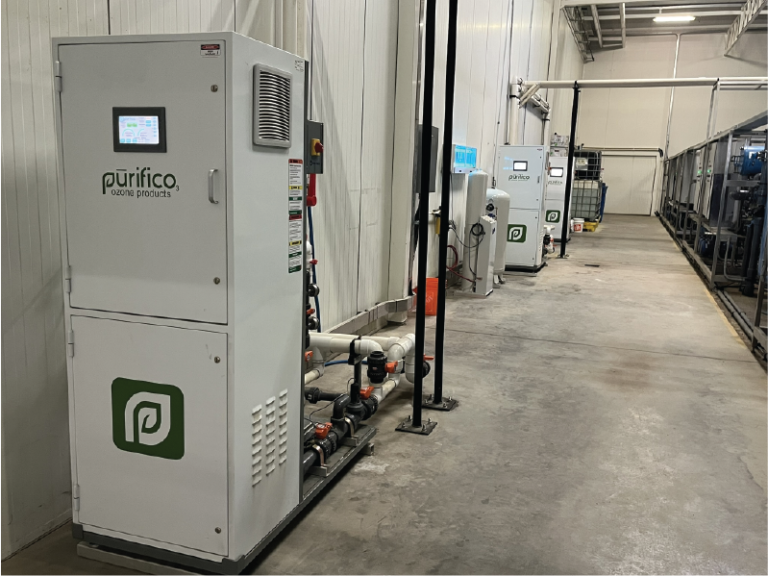
Ozone is generated on-site from oxygen, eliminating the supply chain, storage, and handling risks of liquid chemicals. There are no drums to deliver, no spill containment to maintain, and no chemical residues to flush before harvest. Purifico's intelligent ZONE™ monitoring tracks system performance in real time, sending alerts and allowing remote adjustments. Combined with a lower long-term cost-per-gallon than chlorine or peroxide, ozone delivers measurable savings while raising biosecurity across every stage of greenhouse production.
Key Benefits of Ozone in Greenhouse Water Treatment
Eliminates Root-Zone Pathogens
Ozone destroys Pythium, Fusarium, Phytophthora, and other root-zone pathogens on contact, protecting young roots and preventing crop loss across recirculating greenhouse systems.
Leaves Zero Chemical Residue
After disinfecting, ozone reverts to pure oxygen, no chlorine byproducts, no chemical buildup in soil, and nothing for growers to flush before harvest.
Removes Biofilm and Mineral Buildup
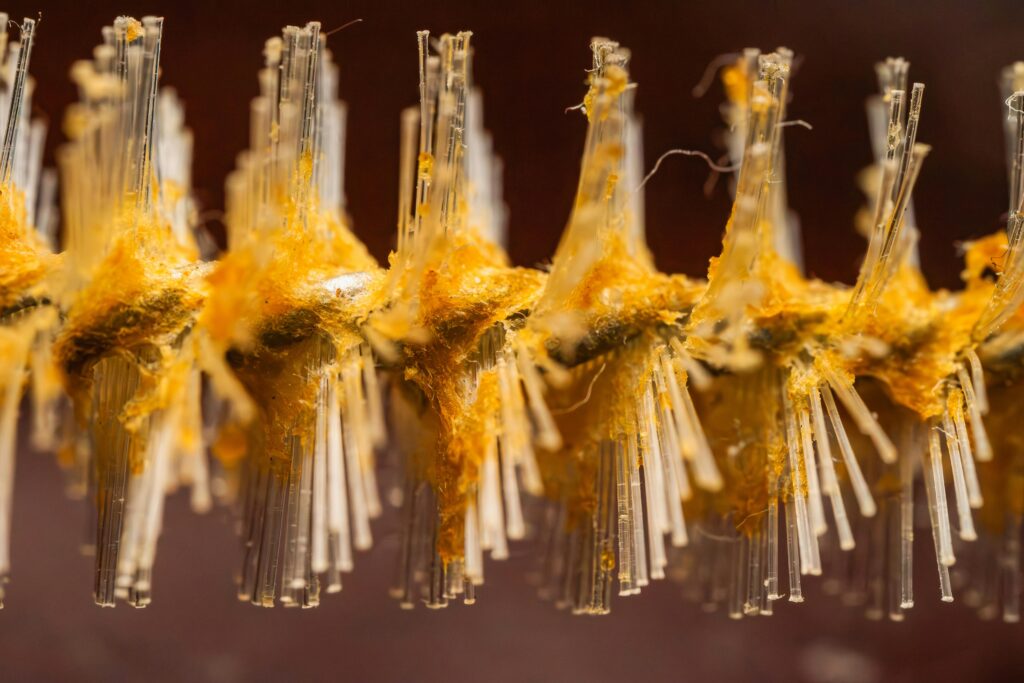
Ozone breaks down the biofilm and organic buildup that clog drip lines, emitters, and storage tanks, helping maintain flow rates and extend the working life of irrigation hardware.
Lowers Long-Term Treatment Costs
Ozone is generated on-site from oxygen, eliminating chemical purchases, delivery logistics, and storage requirements, reducing per-gallon treatment costs over the system’s lifetime.
Applications in Various Sectors
Vegetable and Fruit Production
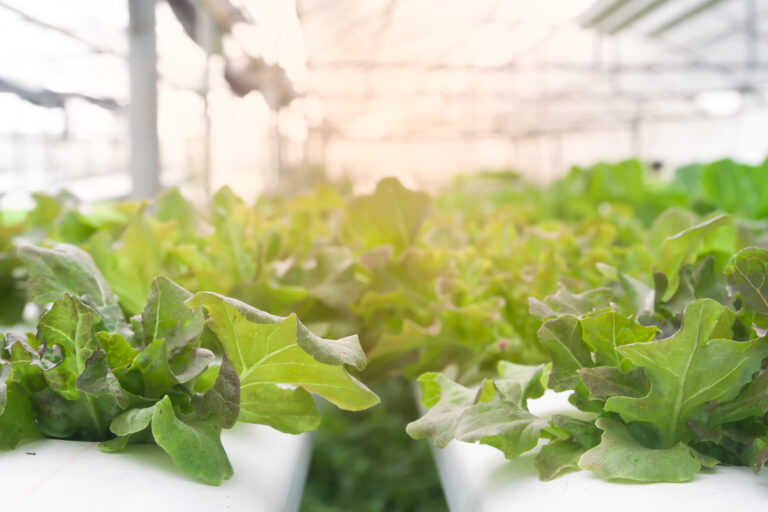
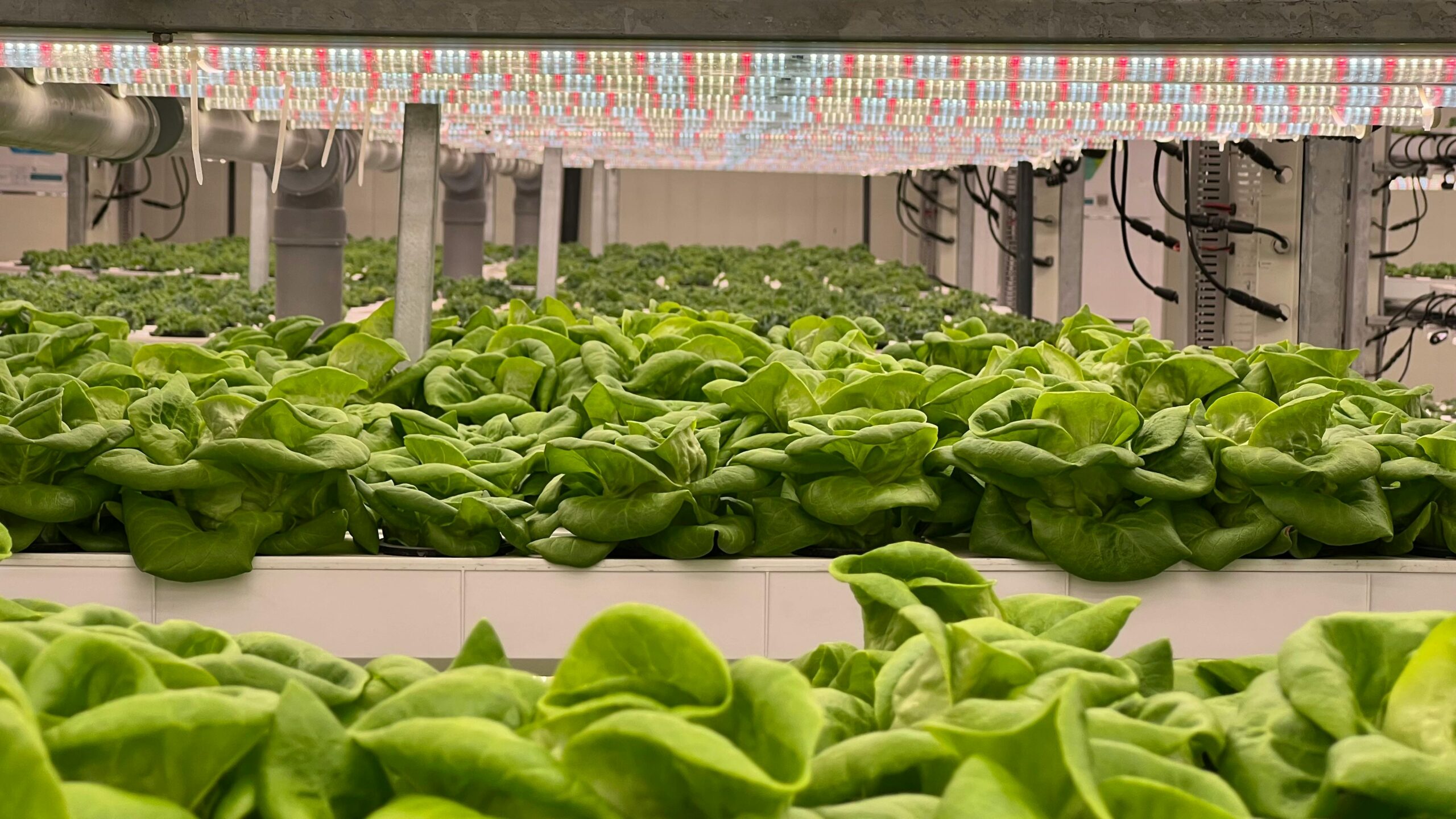
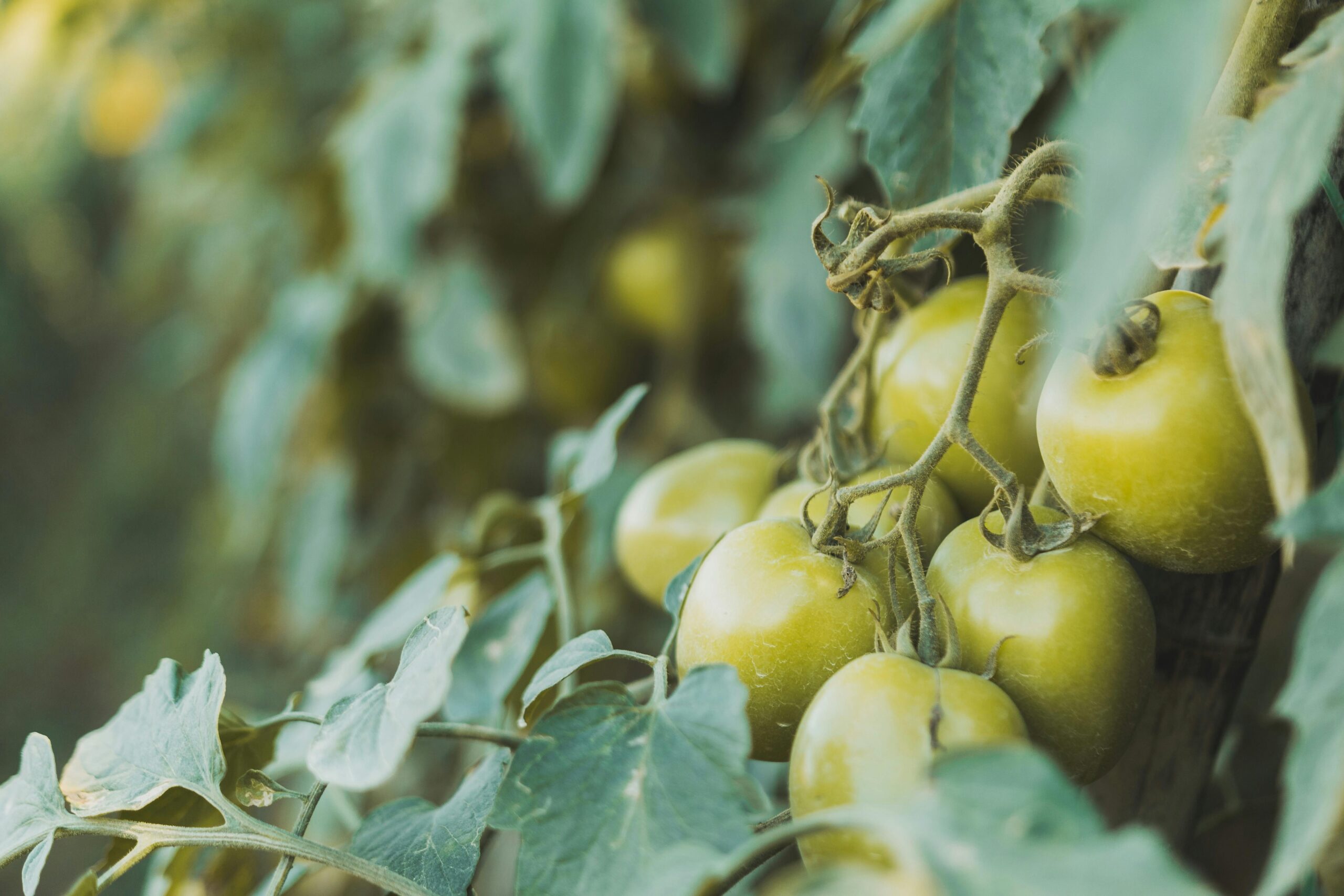
Tomatoes, cucumbers, peppers, lettuce, and strawberries are highly susceptible to root-zone pathogens like Pythium and Fusarium in recirculating systems. Ozone treats irrigation water at the source and the return line, eliminating these threats and boosting dissolved oxygen levels. Growers maintain higher, consistent yields, extend system uptime, and meet food-safety standards without the chemical washouts required by chlorine-based treatments before harvest.
Floriculture and Cut Flower Operations
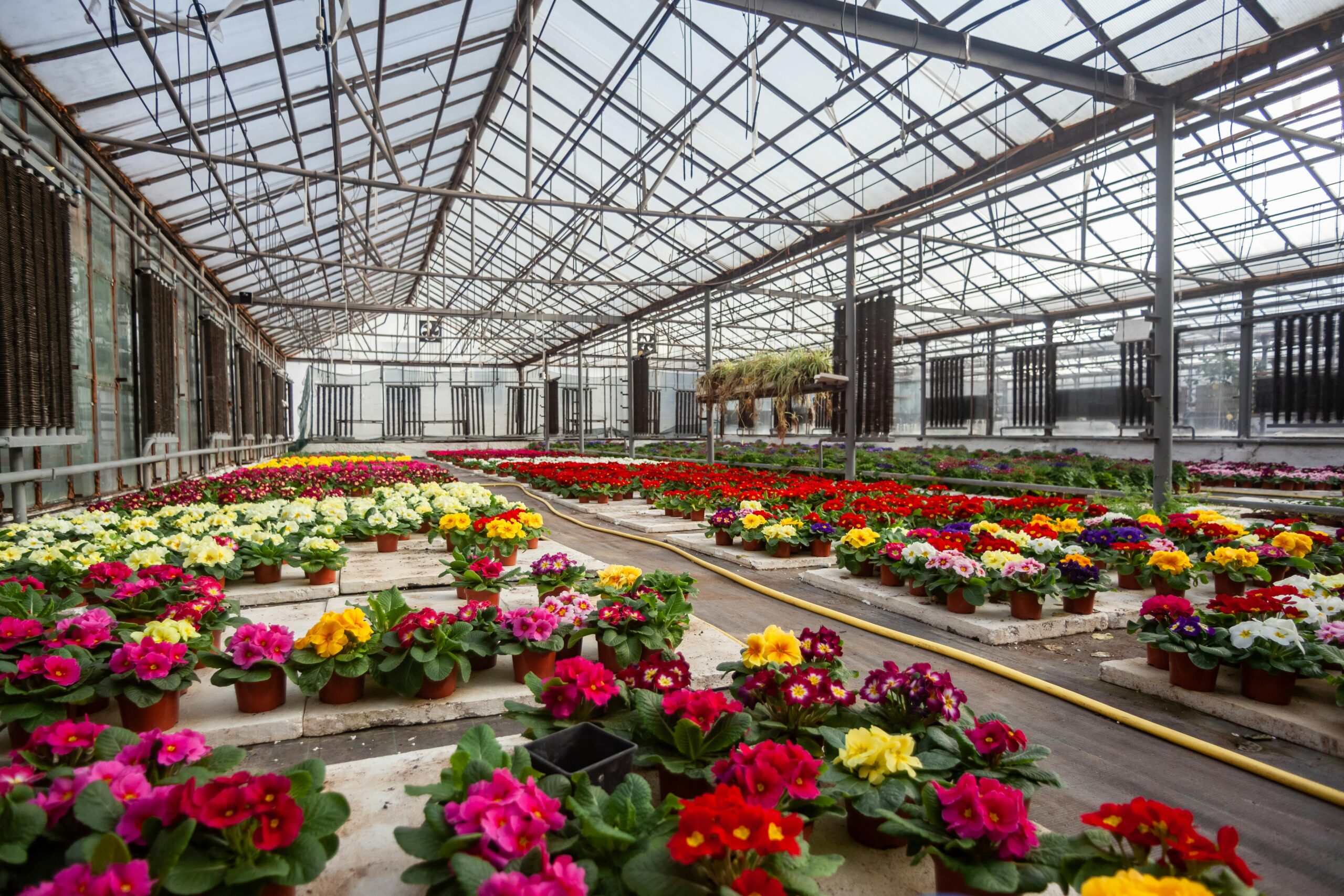
Cut flower growers depend on pristine water to prevent stem-end clogging, premature wilting, and post-harvest disease. Ozone disinfects irrigation supply, hydration tanks, and post-harvest holding water, extending vase life and protecting delicate species like roses, gerberas, and lilies. Because ozone leaves no chemical residue, blooms retain their natural color and fragrance, helping floriculture operations command premium pricing in competitive wholesale and export markets.
Specialty and High-Value Crops
High-value crops including herbs, microgreens, medicinal plants, and propagated cuttings demand the cleanest possible water to protect tight margins and meet strict purity standards. Ozone provides reliable disinfection without compromising the sensitive root systems or beneficial microbes these crops require. Purifico's intelligent dosing keeps treatment levels precise, ensuring every gallon delivered to the root zone is sterile, oxygen-rich, and ready to support optimal growth.
Side by Side
Ozone vs. Traditional Greenhouse Water Treatments
Feature
Ozone (Purifico)
Chlorine / Chlorine Dioxide
UV
Hydrogen Peroxide
Pathogen Kill Rate
99.9%
99%
99.9%
99%
Root Zone Safety
Safe, reverts to oxygen before roots
Risk of phytotoxicity
Safe
Careful dosing required
Biofilm in Irrigation Lines
Good, strongest near injection point
Moderate
None
Limited
Nutrient Solution Compatibility
Can affect iron/manganese
Can affect iron/manganese
Compatible
Can oxidize chelated nutrients
Drip Emitter Clogging Prevention
Moderate
Moderate
None
None
Chemical Residue on Crops
None
Possible
None
Possible
Operating Cost
Low
Medium
Low
Medium
Proven Results
What Greenhouse Growers See After Ozone
99.9%
Pathogen Elimination
40%
Average Reduction in Water Usage
UP TO400%
Increase in Dissolved Oxygen
0
Chemical Residue on Crops
Overall Treatment Effectiveness for Greenhouses
Ozone (Purifico)
99%
UV Treatment
74%
Chlorine Dioxide
68%
Hydrogen Peroxide
61%
Find Your Fit
Recommended Systems for Greenhouse Operations
System selection depends on irrigation volume, greenhouse size, and whether reclaim water treatment is also required.
Not sure which system fits your operation? Request a free consultation. Our team will size the right solution for your crop type and water volume.
FAQ
Questions from Greenhouse Growers
Common questions from commercial and hobby growers evaluating ozone for irrigation treatment.
Yes, when properly applied. Ozone is injected upstream of the root zone and dissipates before reaching plant roots, reverting to oxygen. At correct concentrations, ozone-treated irrigation water delivers cleaner, pathogen-free water to crops with no phytotoxicity risk.
Yes. Ozone is highly effective against Pythium, Fusarium, and other water-borne pathogens responsible for root disease. Continuous ozone treatment of irrigation water significantly reduces disease pressure, particularly in recirculating hydroponic systems where pathogen buildup is a persistent challenge.
At correctly calibrated doses, ozone does not negatively affect standard nutrient solutions. It is important to allow ozone to dissipate before the water contacts plant roots or nutrient reservoirs. Purifico systems include monitoring controls to ensure residual ozone levels remain within safe parameters at the point of plant contact.
It helps. Ozone oxidizes the organic matter and iron that feed biofilm and clog drip lines, so lines and emitters near the injection point stay cleaner. Because ozone breaks down quickly in water, its effect weakens toward the far end of long runs, so it works best alongside good filtration and routine line maintenance.
Yes — ozone is particularly well-suited for recirculating systems where pathogen buildup is an ongoing issue. Treating reclaimed water with ozone allows growers to safely re-use up to 40% more irrigation water, reducing both fresh water consumption and nutrient runoff discharge.
Ozone is a natural disinfectant that leaves no chemical residue. Because it reverts to oxygen, it is widely used in organic and pesticide-free growing operations as an alternative to chemical sanitizers. Growers should verify compliance with their specific organic certification body, as standards vary by region.
Most growers report measurable improvements within the first crop cycle. Biofilm reduction in lines is typically visible within days of system activation. Pathogen-related disease pressure reduction and improved plant health metrics are generally observed within 4–8 weeks of consistent ozone treatment.
Contact Us
Ready to transform your municipal water treatment process with advanced ozone technology? Contact our team today to learn more about our solutions and how we can help you achieve cleaner, safer water for your community.