Disinfection with Ozone

Disinfection

Harness the power of ozone as a potent oxidant capable of eradicating microorganisms resistant to other treatments. Purifico’s ozone technology stands out for its ability to disinfect without leaving harmful residues, ensuring safety for crops, livestock, and the environment. Let us handle the complexities of water chemistry with expert assessments, tailored solutions, and ongoing support for your success. 

Quick Answer: Waterborne pathogen control uses ozone (O3) to eliminate bacteria, viruses, protozoa, and fungi from water. Ozone destroys microorganisms like E. coli, Legionella, Giardia, and Cryptosporidium up to 3,000 times faster than chlorine by rupturing cell membranes, destroying intracellular enzymes, and breaking down genetic material. Unlike chemical disinfectants, ozone leaves no residues and reverts to oxygen after treatment.

How does ozone kill waterborne pathogens?

Ozone kills waterborne pathogens by oxidizing their cellular structures within seconds of contact. As the most powerful commercially available oxidant, O3 destroys bacteria, viruses, protozoa, and fungi like E. coli, Legionella, Giardia, and Cryptosporidium. Ozone disinfection functions mainly by:

  1. rupturing cell membranes through reactions with glycolipids and glycoproteins
  2. diffusing into cells and destroying intracellular content, like enzymes
  3. destroying genetic material (RNA or DNA), through reactions with the purine and pyrimidine bases of nucleic acids
Lush green plants flourishing inside a greenhouse equipped with ozone disinfection technology, showcasing the synergy of sustainable agriculture and advanced sanitation for optimal plant growth and health.
An hourglass trickling down water of a green plant, symbolizing the passage of time and the nurturing care required for plant growth and vitality.

What is CT value in ozone disinfection?

CT value is the product of ozone concentration (C, in ppm) and contact time (T, in minutes), and is the standard metric for measuring disinfection performance. Owing to its powerful oxidation potential, ozone achieves strong anti-microbial effects even at low concentrations. The specific CT value required to eliminate a pathogen varies by water chemistry and target organism, but research consistently shows ozone delivers the best disinfection across conditions, inactivating Cryptosporidium at a CT of roughly 3.5 versus over 7,000 for free chlorine. Purifico designs water treatment systems specific to each client’s conditions and needs to achieve the appropriate CT values for different applications.The effectiveness of ozone for disinfecting water depends mainly on the concentration of ozone and the time it is in contact with the water (CT), where C represents the concentration of O3 in ppm and T represents the exposure time in minutes. Owing to its powerful oxidation potential, ozone has strong anti-microbial properties even at low concentrations.  The specific CT value required to eliminate a particular pathogen can vary from one situation to another, but research consistently shows ozone to achieve the best disinfection under different conditions.  Purifico designs water treatment systems specific to each client’s conditions and needs, specifically to achieve the appropriate CT values for different applications.

Dissolved ozone concentration is critical for waterborne pathogen control, since lower concentrations lead to slower and less complete disinfection. For this reason, it is important to use generators that produce high purity ozone and injectors that dissolve ozone into water efficiently. Purifico prides itself on using the best equipment and technologies, including venturi injection and nanobubble generation, to maximize the disinfecting power of our systems.

What factors affect ozone disinfection performance?

Water quality parameters like pH, water temperature, and BOD or COD (biological or chemical oxygen demand) impact the required CT values for disinfection, and therefore the amount of ozone that needs to be supplied. Susceptibility to ozone varies from one organism to another, with Cryptosporidium and bacterial spores being the most resistant. Unlike other disinfection products, ozone’s high potency allows for effective eradication of pathogens with a smaller amount, making it practical and safe to fully disinfect your water.

  • Target organisms
  • Water Quality
    • Organic pollutants
    • Inorganic pollutants
    • pH
    • Carbonates and bicarbonates
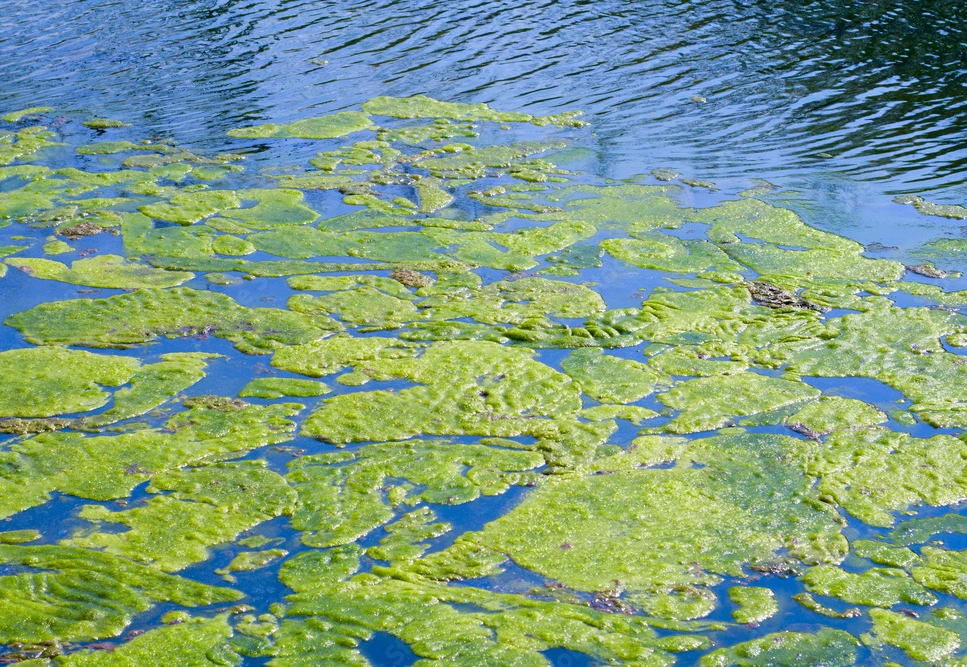
a lake with a bunch of lilypads covering the surface
How ozone destroys waterborne pathogens Three simultaneous attacks on the cell 1 Cell membrane rupture Oxidizes glycolipids 2 Enzyme destruction Diffuses into cell 3 Genetic material breakdown Attacks DNA and RNA Ozone (O₃) eliminates E. coli, Legionella, Giardia, and Cryptosporidium up to 3,000× faster than chlorine

How do water chemistry and temperature affect ozone disinfection?

Water with high levels of organic matter or ozone-neutralizing content such as carbonates or bicarbonates will require more ozone for disinfection. The impact of natural organic matter on ozone stability is complex and depends on location and season, making it difficult to generalize ozone demands from one facility to another. Ozone disinfection is more effective under acidic conditions, so a higher CT value is needed to disinfect alkaline water. Temperature affects the required CT value differently depending on the target pathogen: bacteria and bacterial spores are inactivated more efficiently at low temperatures, whereas the inverse is true for viruses.