Oxidation Reduction Potential

Dosage and ORP

Automated ozone dosage is controlled primarily through ORP (Oxidation-Reduction-Potential), which is a measurement of how much oxidant is in solution .  Purifico offers the flexibility to program dosage based on schedule and/or ORP to suit various systems and irrigation strategies.  

Quick Answer: ORP (Oxidation-Reduction Potential) is a millivolt measurement of how oxidizing or reducing a water sample is, and it is the primary control metric for automated ozone dosage. Disinfection typically occurs around 600 mV and sterilization around 800 mV, while untreated anaerobic water sits below 200 mV. Purifico ozone systems use ORP probes to automatically adjust ozone output in real time, ensuring consistent water quality across irrigation, aquaculture, and industrial applications.

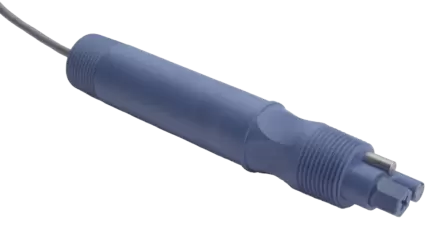
image of an aquametrix ORP probe

How is ozone measured in water treatment?

Ozone is measured in water treatment through several methods, with the right choice depending on application, precision requirements, and budget. For inline monitoring of automated ozone systems, ORP (oxidation-reduction potential) probes are the industry standard. Direct ozone concentration sensors that read in parts per million (ppm) exist, but they are expensive and inaccurate in impure water, limiting their use to laboratory settings. Dissolved ozone concentrations can also be measured manually through titration or colorimetric assays, though these methods cannot be integrated into automated dosing systems. The indigo colorimetric method is a reliable option for occasional manual monitoring of residual ozone in irrigation systems, and is inexpensive, easy to perform, and informative. Purifico can supply these test kits and provide instructions on how to use them.

What is ORP (Oxidation-Reduction Potential)?

ORP, or Oxidation-Reduction Potential, is a measurement of water’s overall tendency to gain or lose electrons, expressed in millivolts (mV). Positive ORP values indicate oxidative conditions, while negative values indicate reductive conditions. Because any oxidizing or reducing agent in solution affects ORP, the measurement provides an indirect read on ozone levels when ozone is the only oxidant being added. This makes ORP the most practical control signal for automated ozone dosing: by maintaining ORP within a target range, a system can ensure disinfection remains effective at all times without needing costly direct-measurement probes. ORP probes are also the most durable and cost-effective sensors for continuous monitoring in real-world water treatment environments.

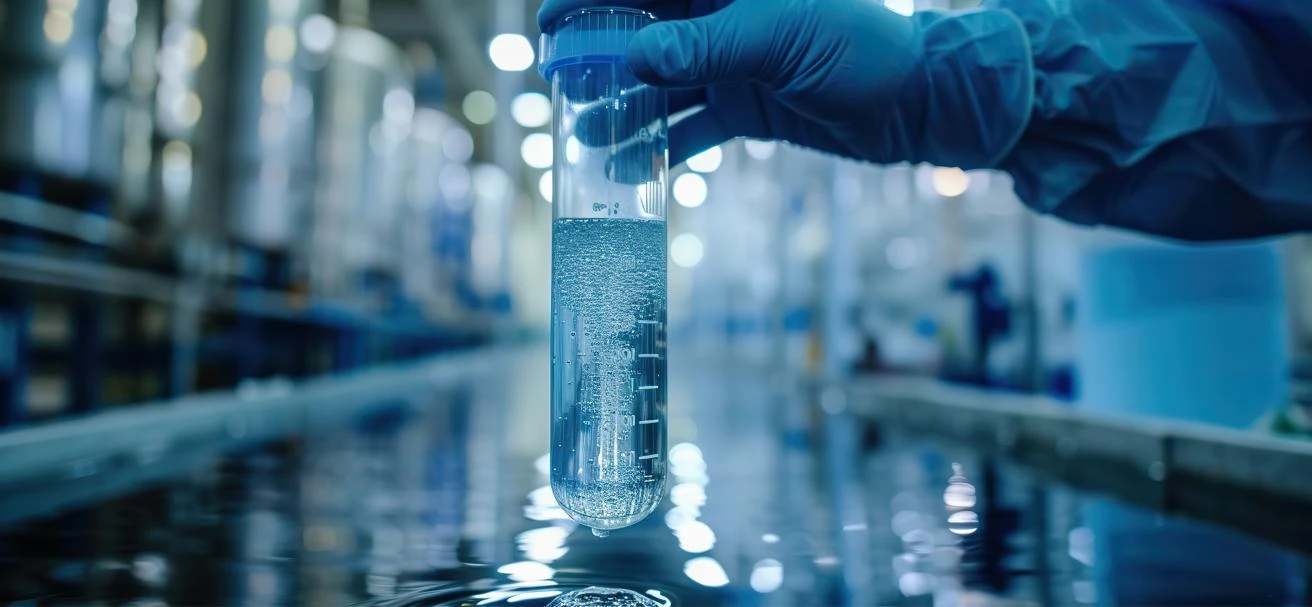
scientist holding a vial of water for quality assurance
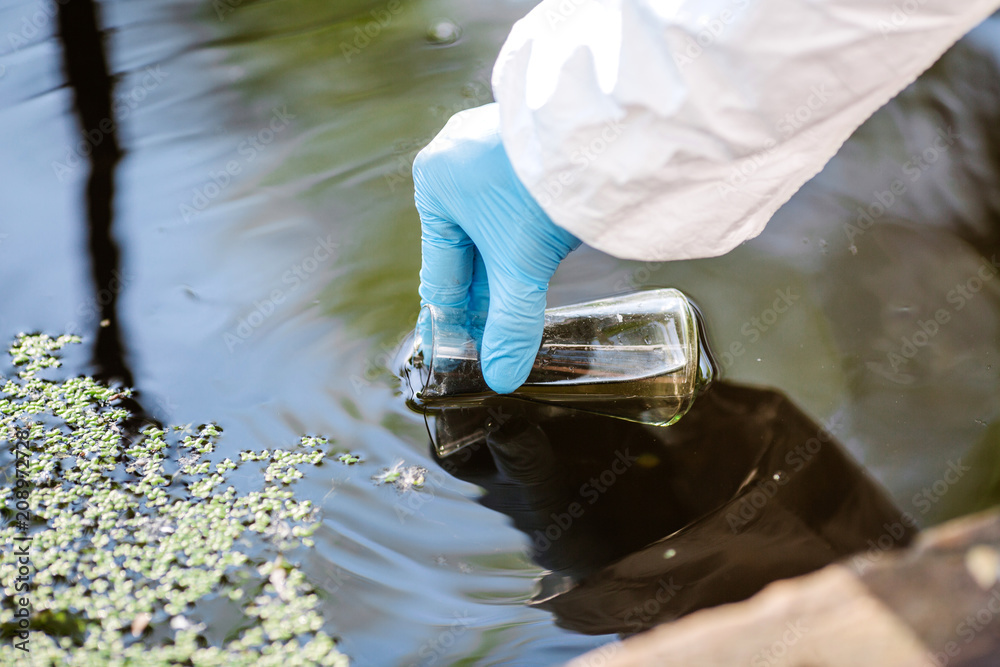
a scientist filling up a vial of water for testing

What ORP levels are needed for ozone disinfection?

Ozone and oxygen are both oxidants, so ORP levels rise when they are injected into water. Low-quality water is typically anaerobic with ORP below 200 mV, while effective disinfection for agricultural water occurs around 600 mV and sterilization around 800 mV. When ozone is first injected, there is a delay before ORP rises because ozone is consumed quickly as it reacts with contaminants. As contaminants are removed and water purity increases, more ozone accumulates in solution and ORP climbs, inactivating even hardy microbes like bacterial spores and Cryptosporidium. Since ozone is short-lived, elevated ORP levels diminish quickly after injection stops. Purifico high-output ozone systems treat water inline, in tanks, and in large reservoirs such as dugouts or small lakes.



ORP levels for ozone water treatment Oxidation-Reduction Potential in millivolts (mV) 0 mV 400 mV 600 mV 800 mV Untreated water Partially treated Disinfected < 200 mV Anaerobic Low oxygen, heavy contamination, untreated source water ~ 600 mV Disinfection Effective pathogen kill for agricultural and irrigation water ~ 800 mV Sterilization Destroys bacterial spores, Cryptosporidium, resistant microbes Purifico systems automatically dose ozone to maintain target ORP levels inline, in tanks, and in large water reservoirs